Rosemary (Salvia rosmarinus)
설명
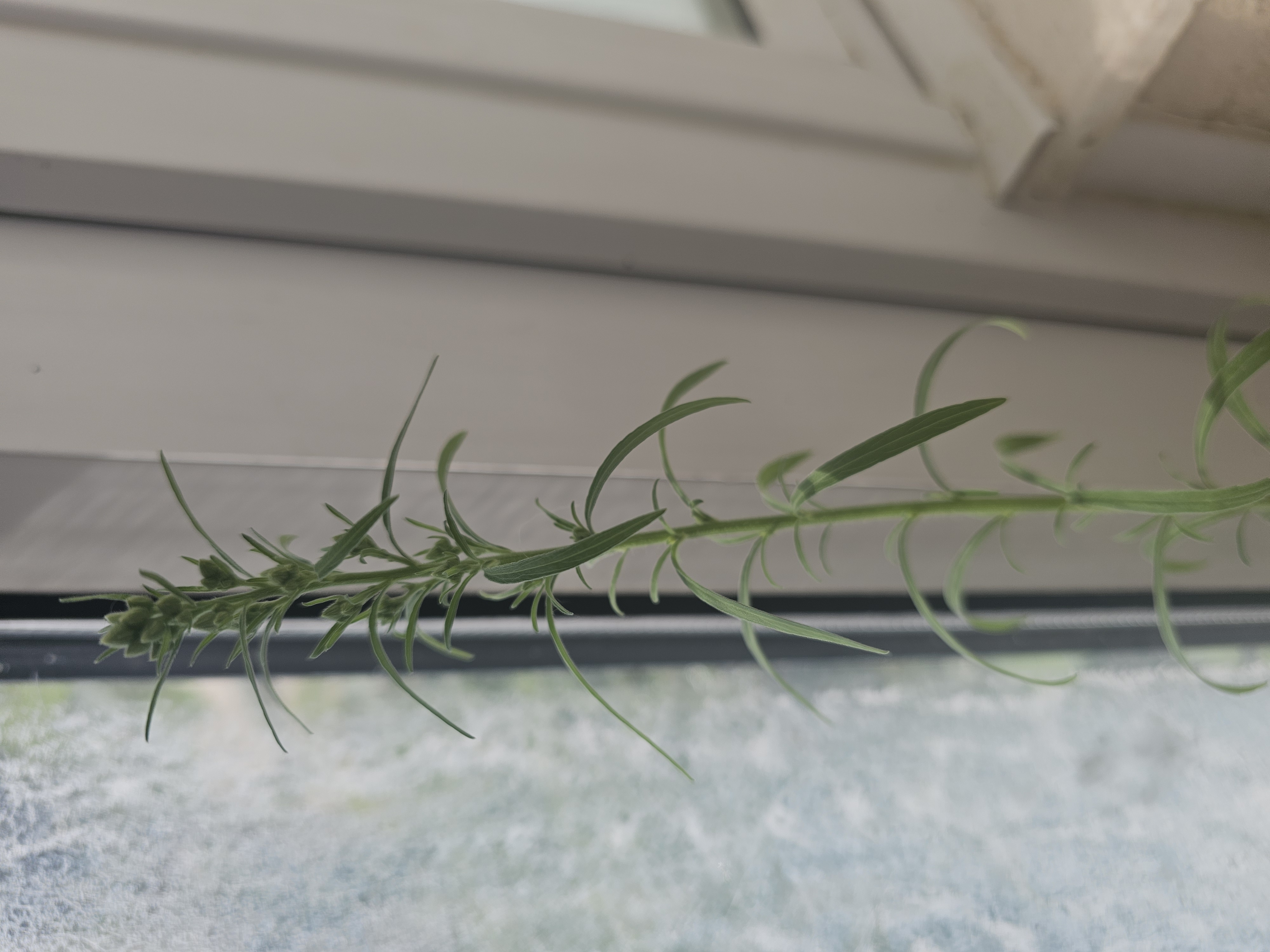
Rosemary, scientifically known as Salvia rosmarinus (formerly Rosmarinus officinalis), is a perennial evergreen herb in the mint family that is prized for its fragrant, needlelike leaves and versatile culinary use. The plant in the photo appears to be a young, upright rosemary plant: a slender, woody-stemmed herb with narrow, linear leaves arranged along the stems and a terminal growth that can form a top-heavy, flowering spike as it matures. The overall look—a tall, slender stalk with small, slender leaves radiating from the stem—fits typical rosemary growth, especially for plants grown indoors or in pots where the stem can become leggy in lower light. Rosemary is iconic for its piney, resinous aroma when leaves are crushed, which is a reliable quick-check in person, though odor must be assessed in person to confirm. What rosemary looks like: - Leaves: Thin, needlelike, 2–4 cm long, evergreen, dark green on the upper surface with a lighter, sometimes slightly waxy underside. The texture is somewhat stiff and the edges are smooth rather than serrated. - Stem: A woody, upright stem that becomes lignified with age. Young plants are green and flexible, while older portions turn brown and woodier. - Growth habit: Upright, compact to leggy depending on light and pot size, typically reaching up to 0.5–1.5 meters in containers and often taller in the ground. In pots, it can stay relatively compact with regular pruning. - Aroma: Crushed or bruised leaves emit a strong piney, camphor-like scent with earthy, resinous overtones. Natural range and use: - Native to the Mediterranean region, rosemary grows best in sunny climates with well-draining soils. It is widely cultivated as a culinary herb and ornamental plant. Beyond the kitchen, rosemary is used in perfumes, potpourri, and aromatherapy due to its distinctive aroma. Care and cultivation guidelines (indoor potted rosemary): - Light: Rosemary requires bright, direct light for most of the day. A south- or west-facing window is ideal. If natural light is limited, supplement with a high-quality LED grow light for 12–16 hours daily to maintain compact, healthy growth. - Temperature and humidity: Preference is for warm days and cool nights. Ideal daytime temperatures are roughly 65–75°F (18–24°C), with no sustained exposure to temperatures below about 50°F (10°C). Indoor air that is dry from heating or air conditioning is tolerable, but ensure good air circulation to reduce the risk of fungal problems. - Soil and potting mix: Use a well-draining potting mix—ideally a cactus/succulent mix or a general-purpose mix amended with extra perlite or sand to improve drainage. Rosemary dislikes soggy soil, which can lead to root rot. A slightly acidic to neutral pH (about 6.0–7.0) is suitable. - Watering: This herb is drought-tolerant and prefers to dry out a bit between waterings. Water thoroughly when the top inch (2.5 cm) of soil feels dry to the touch, then allow excess water to drain away. In winter, reduce watering further, as the plant's water needs drop with cooler temperatures and slower growth. Avoid letting the plant sit in standing water. - Fertilizing: Rosemary does not require heavy feeding. In spring, you can feed lightly with a balanced, water-soluble fertilizer (diluted to half strength) every 4–6 weeks during active growth. Do not over-fertilize, as this can lead to lush foliage with less aroma and flavor. - Pruning and shaping: Regular pruning helps keep rosemary bushy and prevents leggy, tall growth. Pinch or lightly trim new growth every few weeks during the growing season. After flowering or when growth becomes lanky, prune back about one-third of the plant’s length, focusing on removing older, woody growth at the base and encouraging new shoots from the middle. Pruning also helps maintain a texture ideal for culinary use. - Pot size and repotting: Start with a pot that has drainage holes and scale up as the plant grows. Repot every 2–3 years or when the plant becomes root-bound, using fresh well-draining soil mix. Be mindful not to overfill the pot, as rosemary’s roots require oxygen and drainage. - Propagation: Rosemary is easily propagated from cuttings. Take 3–6 inch (7–15 cm) cuttings from semi-hardwood growth, remove the lower leaves, and strike in a moist, well-draining medium with bottom heat or warmth. Use rooting hormone to boost success if desired. Keep cuttings consistently moist (not soggy) until roots form. - Pests and diseases: Watch for common indoor plant pests such as spider mites, aphids, and whiteflies. If infestations occur, wash the leaves with water, employ insecticidal soap, or use an appropriate, label-approved pesticide. Overwatering can lead to root rot and fungal issues; ensure excellent drainage and avoid waterlogged soil. Poor air circulation can also encourage fungal growth, so ensure the plant has space and airflow. Harvesting and culinary use: - Harvesting: For best flavor, harvest rosemary leaves as needed once the plant is well established and has a healthy growth habit. The essential oils are most potent just before flowering. Harvest in the morning after any dew has dried to preserve aroma compounds. - How to use: Fresh rosemary leaves can be chopped and added to meats (lamb, chicken, pork), potatoes, vegetables, stews, and breads. It pairs well with olive oil, garlic, lemon, and pepper. Dried rosemary retains aroma but can be somewhat more muted; many cooks prefer fresh rosemary for roasting and infusion. - Preservation: Dry rosemary by tying sprigs together and hanging them upside down in a warm, dry, well-ventilated area, or spread them on a tray in a low-heat oven. Once fully dry, crumble the leaves from the woody stems and store in an airtight container away from light. Fresh rosemary can also be frozen; chopped leaves held in an ice cube tray with a little water or oil are convenient for soups and sauces. Other considerations and tips: - Microclimates indoors: If your window sun is limited or if the indoor temperature fluctuates greatly, consider placing the plant near a sunny, bright spot but away from cold drafts. A microclimate that stays consistently warm and bright will yield better growth and more robust aroma. - Longevity: With proper care, a rosemary plant can live for several years, gradually becoming more woody. Routine pruning and occasional repotting help to extend its life and keep it productive. - Companion planting: Rosemary is known to be compatible with many herbs and vegetables in the garden, and in the kitchen it pairs well with oregano, thyme, sage, and lavender in herb gardens. Be mindful of neighbor plants’ water and light demands if you’re growing rosemary in a mixed container. - Safety and warnings: While rosemary is widely used in cooking, essential oil concentrates should be used with care. Do not apply concentrated rosemary essential oil directly to the skin without guidance from a professional, as it can cause irritation. Houseplants can pose a choking or ingestion risk for pets; while rosemary is not highly toxic to dogs and cats in small amounts, ingestion can upset stomachs. If you have pets that chew household plants, monitor location or consider placing rosemary out of reach. In summary, the plant in your photo is most likely rosemary, a resilient Mediterranean herb that rewards bright light, well-draining soil, and regular but mindful pruning. With consistent care—plenty of sun, careful watering, and periodic shaping—rosemary can remain a fragrant, productive addition to your kitchen and home décor for many years. The plant’s tall, slender form as pictured often indicates a need for more light or regular pruning to encourage a sturdier, bushier growth habit; addressing light levels and a clean watering routine will help restore a compact shape while preserving the plant’s desirable aroma and flavor.
식별 시간
2025년 8월 25일
안내
식집사의 기능은 AI를 사용하고 있어 부정확 할 수 있습니다. 단순 재미와 참고용으로만 사용해주세요.
식물 결과에서 바로 할 수 있는 일
이름을 확인한 뒤 공식 식물 DB에서 관리 정보를 바로 확인하세요.