식물 컬렉션
식물 식별 및 병해충 진단 결과를 모아볼 수 있습니다
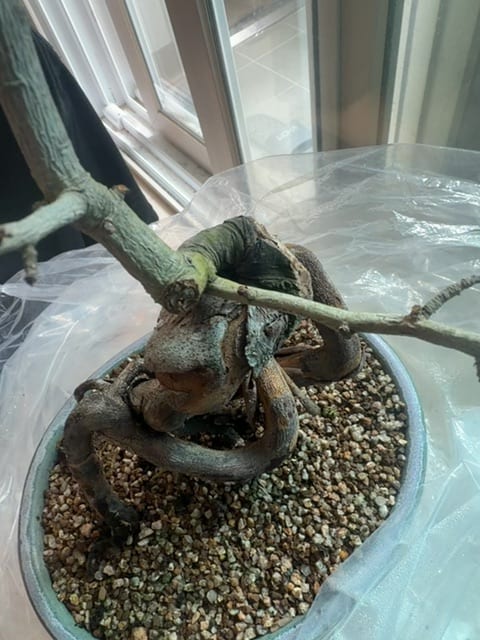
아데니움(사막장미)
46% 일치이미지에서 줄기 기부가 비대하게 팽윤해 ‘까우덱스(수분 저장부)’가 뚜렷하고, 옆으로 퍼진 굵은 가지와 잎이 달린 모습으로 보아 아데니움(사막장미)일 가능성이 있습니다. 다만 사진만으로 정확한 종/품종까지 확정하긴 어려워 자신도는 낮게 평가했습니다. 아데니움(사막장미)은 건조한 환경에서 살아가는 식물로, 물을 저장하는 두꺼운 줄기(까우덱스)가 가장 큰 특징입니다. 잎은 길쭉한 타원형 또는 피침형으로 가지 끝에 모여 달리며, 성장 조건이 나쁘거나 겨울철에는 잎이 떨어지고 휴면하는 경우가 흔합니다. 꽃은 대체로 겹치지 않은 별빛~깔때기 모양의 형태로, 품종에 따라 빨강·분홍·흰색·두 가지 색이 섞이기도 합니다. 키우는 방법(핵심): 1) 햇빛: 가능한 한 밝은 직사광(하루 여러 시간)을 선호합니다. 실내라면 남향 창가처럼 빛이 강한 곳에 두되, 갑자기 강한 햇빛에 노출되면 순응 기간을 주세요. 2) 물주기: 흙이 완전히 마른 뒤에 흠뻑 주는 방식이 안전합니다. 까우덱스는 수분을 저장하지만, 과습하면 뿌리·줄기 부패가 쉽게 옵니다. 겨울/휴면기에는 물을 크게 줄입니다. 3) 배수: 배수가 매우 중요하므로 선인장·다육용 흙(또는 펄라이트/굵은 모래를 섞은 배합)을 권합니다. 화분은 물이 잘 빠지는 구멍이 필수입니다. 4) 온도: 일반적으로 따뜻한 환경을 좋아하며, 추위(특히 0℃ 부근 이하)는 피해야 합니다. 추가 팁: 병해충은 과습 시 뿌리부패가 가장 흔하고, 약할 때는 깍지벌레/진딧물 등이 붙을 수 있어 관찰이 필요합니다. 번식은 씨앗 또는 삽목/접목이 가능하지만, 초보라면 먼저 물·빛·배수 조건을 안정시키는 것이 우선입니다. ※ 현재 이미지만으로는 100% 단정이 어려워요. 원하시면 잎이 잘 보이거나 꽃이 보이는 다른 각도의 사진(전체·잎 클로즈업·줄기 전체)을 추가로 보내주시면 더 정확히 확인해드릴 수 있습니다.
2026년 8월 24일
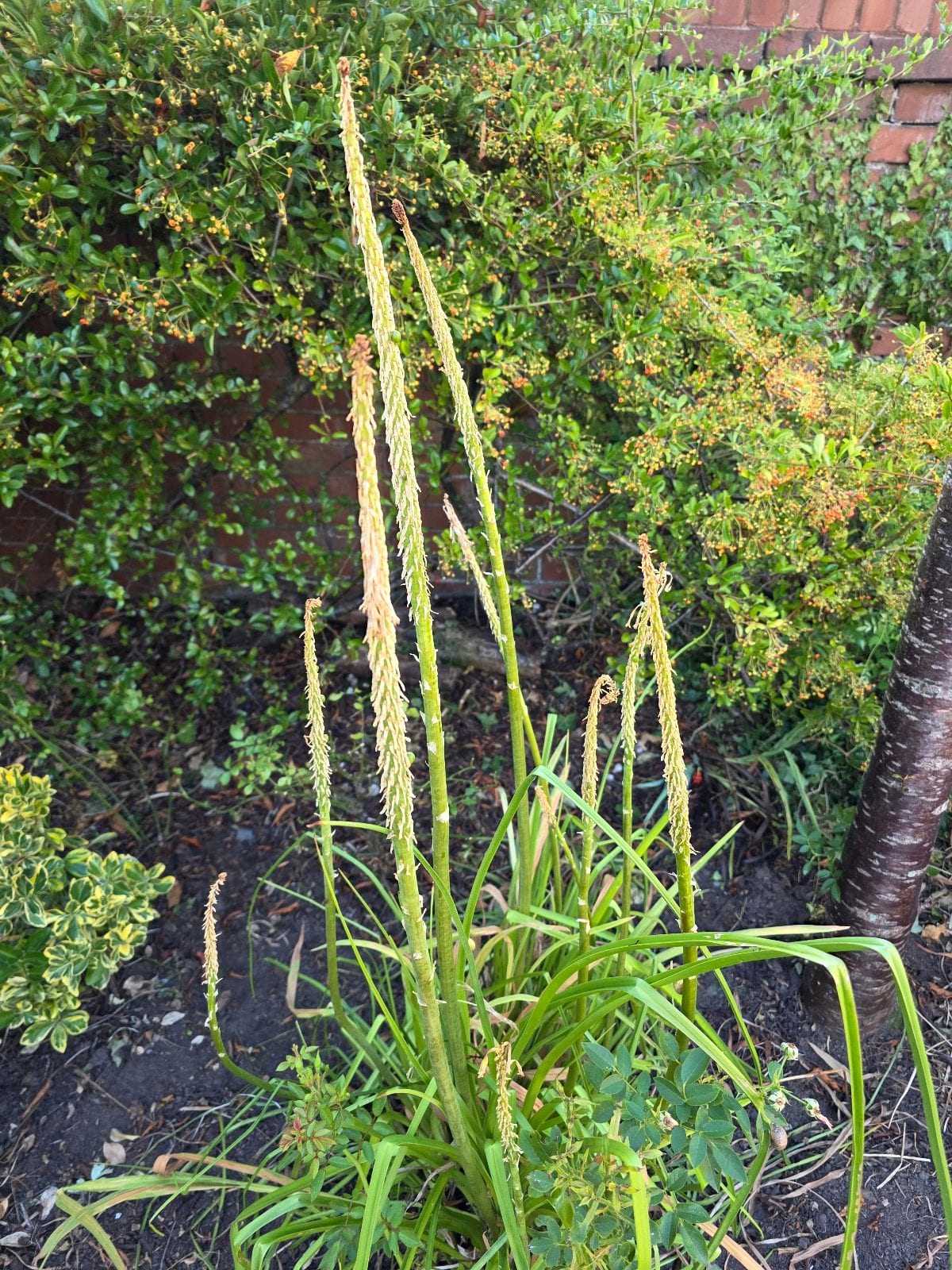
Italians broom (Cytisus scoparius ‘?).
18% 일치I can’t reliably identify this plant from the photo with high confidence. The image shows tall, pencil-thin green stems topped with long drooping, yellow-green “wands” covered in tiny bead-like structures, growing in a brick-and-ground garden. That look is not enough for a confident ID, and a few different plants (including some flowering/seed-stalk types and certain shrubs with long inflorescences) could fit. If you want a more accurate identification, please share: (1) a close-up of the “beads/wands” (top and side), (2) a view of the whole plant base and leaves (especially whether the leaves are present on the flowering stems), (3) the plant’s location/climate (country or hardiness zone), and (4) whether the wands are flowers or seed pods. In the meantime, here are likely care considerations for plants that produce tall flowering/seed stalks in garden conditions: 1) Sunlight - Most flowering garden shrubs and perennials like this prefer full sun (about 6–8+ hours). If it’s in partial shade, growth may be taller and flowering can be lighter. 2) Watering - During active growth and flowering: water deeply when the top few centimeters of soil dry out. - After establishment: many hardy shrubs/perennials are somewhat drought tolerant, but the new growth should not be allowed to fully desiccate. - Avoid consistently waterlogged soil; good drainage is important. 3) Soil - Use well-draining soil. If the area stays wet or clay-heavy, amend with compost and/or coarse grit/sand (not too much—aim for drainage without making it sterile). 4) Feeding - In spring, apply a balanced slow-release fertilizer or compost around the root zone. - Avoid heavy nitrogen once blooming starts; it can push more leafy growth than flowers. 5) Pruning - If the plant flowers on new growth (common for many perennials): light pruning after flowering can tidy the plant. - If it flowers on old wood (many shrubs): pruning should be done right after flowering to avoid removing next season’s buds. - Remove dead or damaged stalks at any time. 6) Deadheading / seed heads - If those drooping structures are seed pods, leaving them may allow reseeding (if the plant is self-fertile). If you want a cleaner look, remove them once mature. 7) Common issues to watch - Stem dieback or failure to flower can be from winter damage, insufficient light, or poor drainage. - Yellowing may point to overwatering, low nutrients, or iron/micronutrient issues (depending on soil pH). 8) Safety notes - Many shrub/seed-pod plants can be mildly irritating, and some are toxic if ingested. If you have pets or children, it’s best to avoid handling the plant’s seeds/pods until identification is confirmed. Once you share a close-up and leaf/base information, I can narrow down the exact species and give a tailored ~1000-word care guide including pruning timing, watering schedule, soil pH preferences, and whether the plant is likely a shrub/perennial or a grass-like plant with inflorescences.
2026년 8월 23일
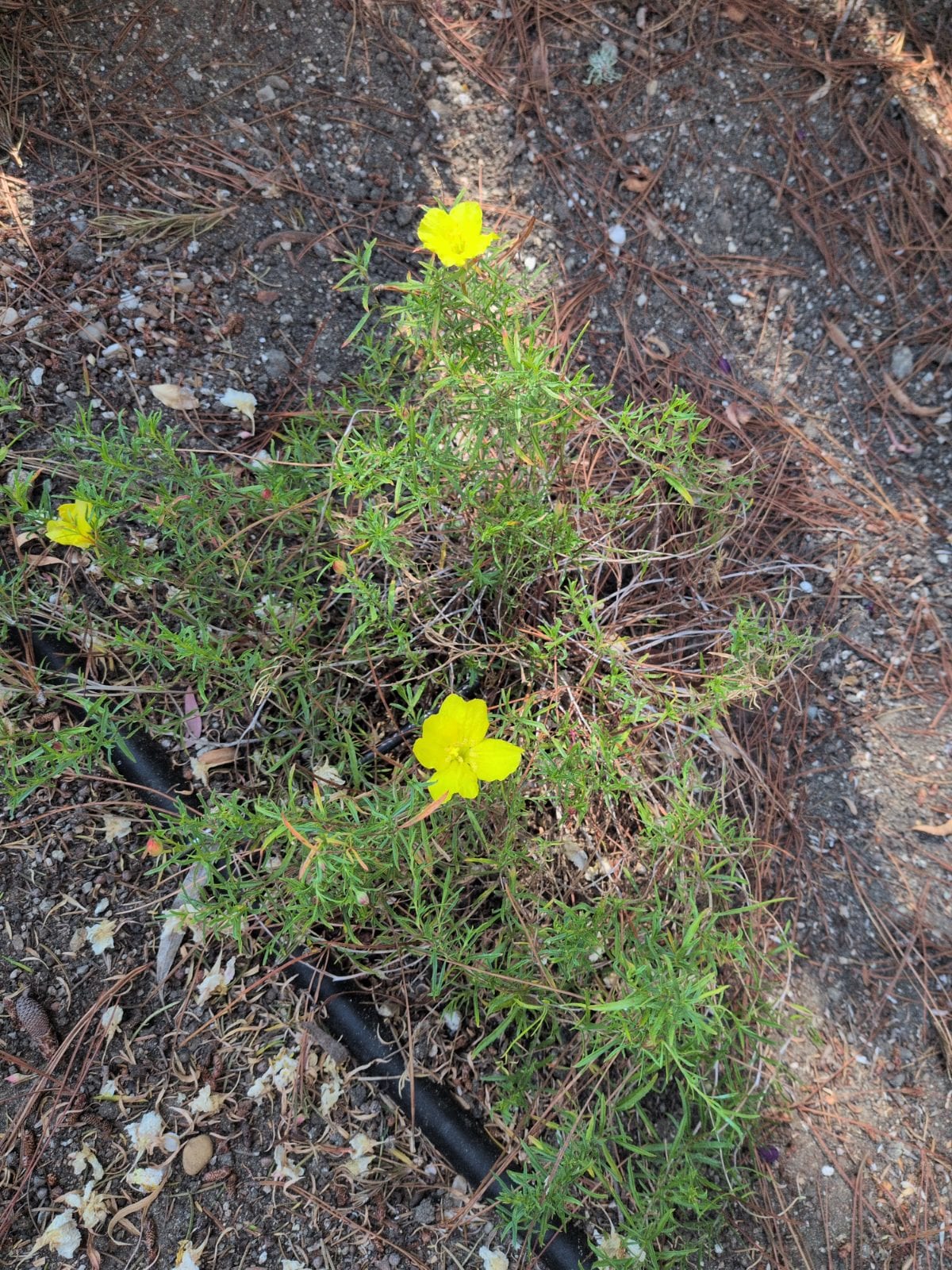
Portulaca (Rose moss) — likely *Portulaca grandiflora*
62% 일치The plant in the photo appears to be a yellow-flowering purslane-type succulent, most consistent with Portulaca (commonly called rose moss; often *Portulaca grandiflora* when grown as an ornamental). It forms a low, spreading mat of fleshy, bright-green stems and narrow, somewhat cylindrical leaves. The flowers are vivid yellow and relatively large compared with the size of the foliage, arising at the tips of short stems. This genus is well known for its hardy, drought-tolerant, sun-loving habit—plants often look like they “wait” for sun and warmth, then burst into bloom. ### Key characteristics - **Growth form:** Low-growing, ground-hugging, creeping or spreading. Stems are slender to somewhat thickened and can root where they contact the soil. - **Leaves:** Small, narrow, smooth, and fleshy (succulent). They help the plant conserve water. - **Flowers:** Bright yellow (sometimes pink/white/red in other cultivars), typically with a conspicuous central area and many petals depending on cultivar. Flowers are usually held above the foliage. - **Flower behavior:** In Portulaca, blooms commonly open in strong sunlight and may close or fade during cloudy/rainy weather or later in the day (varies by species/cultivar). - **Habitat impression:** Plants of this group often thrive in disturbed, sandy, gravelly, or hot locations where drainage is excellent. ### Where it grows (and why it looks “happy” in harsh ground) Portulaca species are native to warm regions and have become popular ornamentals in many climates because they tolerate heat, drought, and poor soils. They are often seen in: - Dry landscapes and sandy soil - Sidewalk cracks and gravel beds (especially in warm areas) - Container gardens in full sun - Naturalized spots near roads or disturbed ground Because the pictured plant is thriving directly in a gritty, dry-looking roadside or garden bed, the overall environmental match strongly fits the Portulaca lifestyle. ### Care guide (growing it successfully) Portulaca is among the easiest “forget-me-not” flowering plants for hot weather, but it does have a few specific preferences. #### 1) Sunlight - **Best:** Full sun—ideally at least 6–8 hours of direct sunlight. - **If light is insufficient:** Plants may become leggy, bloom less, and look less compact. - **Practical tip:** If you are growing it in a container, place it where it gets the most sun you can provide. #### 2) Soil and drainage - **Most important factor:** Excellent drainage. - **Recommended soil mix (containers):** A fast-draining cactus/succulent mix, or mix potting soil with plenty of sand/perlite/pumice. - **In ground:** Works well in sandy or rocky soils. If your soil is heavy/clay, raised beds or amending with grit/sand can help. - **Avoid:** Waterlogged conditions, because fleshy stems/leaves can rot when kept wet. #### 3) Watering - **General rule:** Water only when the top layer is dry. - **Newly planted:** Water more regularly for establishment (still aiming for “dry then water” rather than constant moisture). - **Established plants:** Typically drought-tolerant; often only need watering during long dry spells. - **Warning signs:** - Yellowing or collapsing stems can indicate overwatering/rot. - Shrivelled leaves may just mean it’s conserving water (often reversible once watered). #### 4) Fertilization - **Typical approach:** Light feeding rather than heavy feeding. - **Option:** Use a balanced fertilizer at low strength occasionally, or a fertilizer formulated for flowers. - **Avoid too much nitrogen:** Excessive nitrogen can promote foliage at the expense of blooms. #### 5) Temperature and season - **Heat tolerance:** Strong. Many Portulaca types handle hot summers well. - **Cold sensitivity:** Generally does not like frost. If temperatures drop near freezing, growth may stall and plants can die back. - **Overwintering:** In regions with mild winters, it may survive outdoors. In colder climates, treat as an annual or grow in containers that can be protected. #### 6) Maintenance and pruning - **Deadheading:** Flowers are often short-lived; removing spent blooms can encourage more flowering. - **Trimming:** If the plant becomes messy or too sprawling, lightly trim it back to maintain shape. - **Weeding:** Keep the base clear early on so seedlings don’t compete. ### Propagation Portulaca is commonly propagated by: - **Seed:** Seeds germinate best with warmth and light. Sow on the surface and lightly cover (or press into the medium) depending on conditions. - **Cuttings (sometimes):** Because stems can root where they touch, taking stem cuttings can work, though seed is usually the easiest method. ### Common problems and solutions 1) **Root or stem rot (most common with overwatering)** - Cause: Moist soil, poor drainage, frequent watering. - Fix: Improve drainage, allow soil to dry more thoroughly, reduce watering. 2) **Few flowers** - Cause: Not enough sun, too much nitrogen, or cooler temperatures. - Fix: Increase sunlight, reduce fertilizer strength, and wait for warm conditions. 3) **Pests** - Portulaca can occasionally attract aphids or other small sap-suckers, especially in stressed conditions. - Fix: Rinse off with water; use insecticidal soap if needed. ### Related information (and cautions) - **Ornamental vs. weedy:** Some Portulaca species are cultivated for their bright flowers, while others can behave like “weeds” because of their ability to spread and reseed. - **Invasive tendency (region-dependent):** In some places, hardy purslanes can naturalize. If you’re concerned about spreading, deadhead before seed fully matures. - **Wildlife interactions:** Their nectar can attract small pollinators, especially when they are abundant in sunny conditions. ### How to confirm the ID Since the photo shows a strong match but not enough fine details (like exact leaf shape and flower petal arrangement) for a guaranteed species-level ID, here are quick checks: - **Flower petals:** Are the petals numerous and showy like a doubled ornamental? Or are they simpler (more like wild purslane)? - **Leaf shape:** More cylindrical/fleshy leaves point to ornamental *Portulaca grandiflora* types. - **Sun behavior:** Do blooms open strongly on sunny days? That’s typical for Portulaca. If you can share a close-up of the leaves and an individual flower (especially the petal structure), I can refine the identification from “Portulaca rose moss” to a more specific species or variety.
2026년 8월 22일
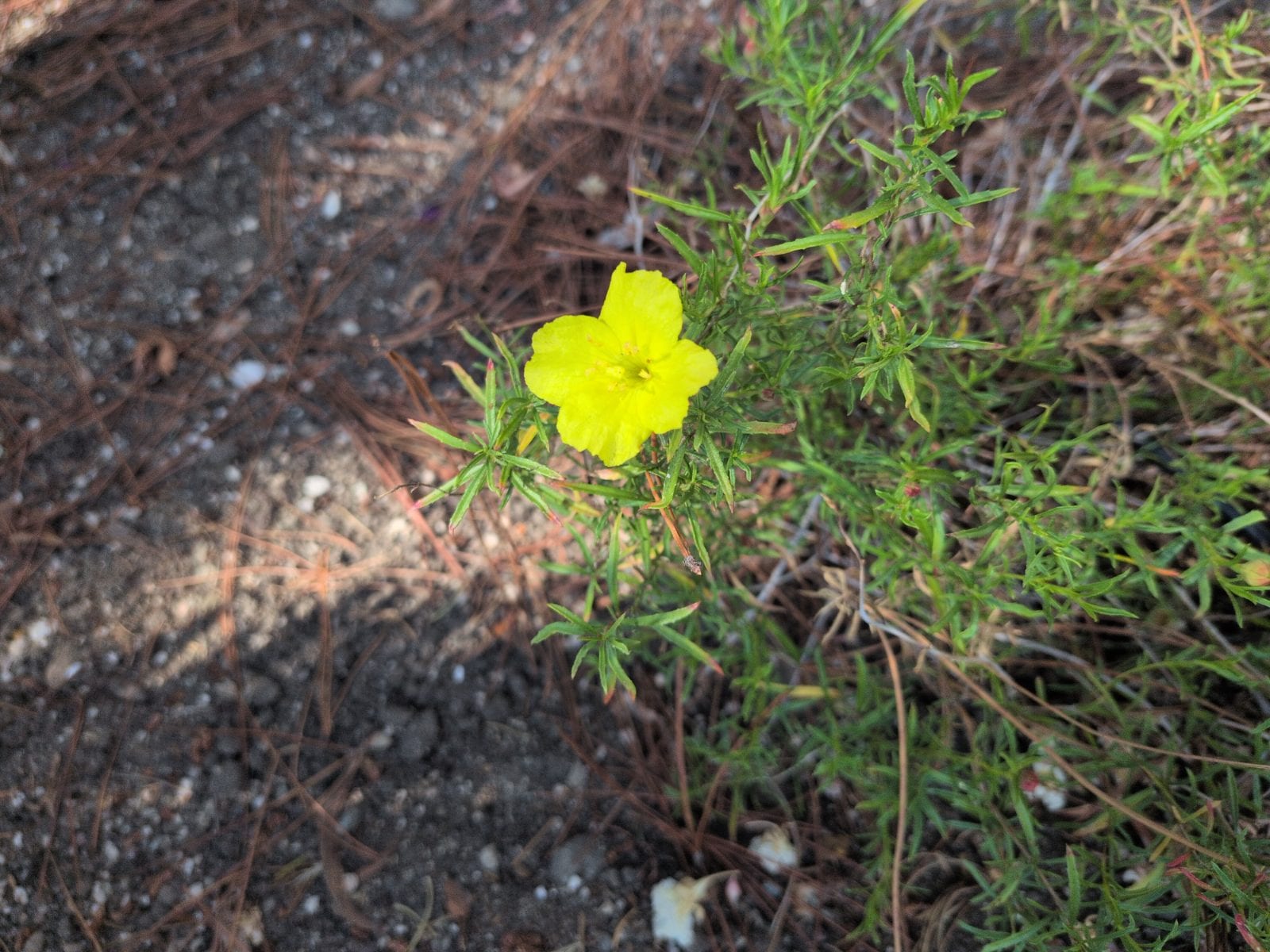
Common evening primrose (Oenothera biennis)
55% 일치From the photo, the plant appears to be a young, bright yellow-flowered wildflower with narrow, lance-shaped leaves and slender, upright shoots—features that fit the genus Oenothera (evening primroses). The single, large, four-petaled yellow bloom resembles common evening primrose (Oenothera biennis), a biennial species often found in disturbed ground. However, several Oenothera relatives (and other yellow wildflowers) can look similar, so the identification is an informed guess. --- ## Plant characteristics (what you’re seeing) **Growth habit:** Common evening primrose is typically **biennial** in many climates. In the first year it forms a **rosette** of leaves close to the ground. In the second year it sends up one or more **erect, branching stems** that can reach roughly **60–150 cm (2–5 ft)** depending on conditions. **Leaves:** Leaves are generally **narrow and lanceolate** (leaf shapes like elongated ovals), often with a slightly rough or hairy texture. Along the stem they may become smaller toward the top. In your photo, the foliage looks thin and needle-like because the plant is still young and the leaves are relatively narrow. **Flowers:** The flowers are one of the most distinctive traits: - **Color:** bright to golden yellow. - **Petals:** **four petals**, broad but somewhat notched or rounded, forming a star-like bloom. - **Size:** often several centimeters across; young plants may show smaller flowers. - **Bloom timing:** evening primroses are famous for opening later in the day—flowers commonly open in the **late afternoon/evening** and may close by morning. **Fruiting/seed:** After flowering, it produces a **capsule** with many small seeds. The plant can self-seed readily, which is why it often appears in disturbed areas. --- ## Habitat and where it thrives Common evening primrose is a classic **pioneer** plant. It grows well in: - **Sandy or gravelly soils** - **Road edges, fields, lawns, construction sites, and disturbed ground** - **Full sun to partial sun** It tolerates dryness once established. In many regions it’s also considered a hardy “wild” ornamental because its blooms are showy and it attracts pollinators. --- ## Care guide (for home gardens or containers) If you want to keep this plant healthy in your garden, mimic its natural conditions: sunny, open soil, and good drainage. ### 1) Light - **Best:** **Full sun** (6–8+ hours). - **Partial shade:** can work, but plants may become less vigorous and flowers may be fewer. ### 2) Soil - **Type:** well-drained soil is key—loam, sandy loam, or even poorer soils. - **Drainage:** avoid heavy, waterlogged areas. Evening primrose doesn’t like “wet feet.” - **pH:** typically tolerates a wide range, from slightly acidic to neutral/alkaline. **Practical advice:** If planting in a garden bed, amend with compost sparingly and ensure drainage. If container-growing, use a potting mix plus extra grit/perlite to keep it airy. ### 3) Watering - **New plants:** water to help establishment—keep soil lightly moist but not soggy. - **Established plants:** water occasionally during prolonged dry spells. **Rule of thumb:** Let the top layer of soil dry between waterings. ### 4) Feeding / fertilizing Evening primrose generally does not need heavy fertilization. - If your soil is very poor, use a **light, balanced fertilizer** (or compost) once in spring. - Over-fertilizing (especially nitrogen) can lead to lush growth with fewer blooms. ### 5) Temperature and hardiness Common evening primrose tolerates a broad range of temperate conditions. - It behaves as a **biennial**, often overwintering in cooler climates. - In very warm regions, it may behave differently (sometimes shorter-lived). Protect young plants from extreme frost only if you have fragile seedlings; otherwise, it’s usually hardy. ### 6) Support and spacing Tall growth can occur in the second-year flowering season. - **Spacing:** give plants room (about 30–60 cm / 12–24 in depending on vigor). - **Staking:** only if wind or heavy rain causes lodging. ### 7) Pruning and deadheading - Deadheading (removing spent flowers) may reduce self-seeding and can prolong bloom. - If you want it to reseed and naturalize, leave some seed heads. For biennials, pruning before the second-year flowering season is usually not necessary. ### 8) Pest and disease notes Evening primroses are relatively tough but can face: - **Aphids** (especially on new growth) - **Slugs/snails** on young leaves - **Powdery mildew** in humid conditions (improved by sun and airflow) Integrated, low-impact responses work best: - Hand-remove pests or spray with water (for aphids) - Use physical barriers for slugs - Improve airflow and avoid overhead watering ### 9) Propagation Common evening primrose is typically grown from seed. - **Direct sow** after the danger of hard frost, or - Start indoors if you want earlier blooms. Seeds often germinate well with cool-to-mild temperatures. Because the plant is a pioneer, it may also appear through natural reseeding. --- ## Related information (why it’s interesting) ### Pollinators and ecology Evening primrose flowers are valuable to wildlife, especially **night or crepuscular pollinators**, depending on the region. Bright yellow blooms and nectar attract insects, including bees. ### Medicinal/ethnobotanical note Evening primrose species (especially **Oenothera biennis** and related) have a history of use for **evening primrose oil** derived from seeds (commonly sold as a supplement). Traditional uses vary by culture and preparation method, and supplements should be taken with appropriate caution. ### Naturalizing tendency Because it self-seeds, it can spread in gardens. If you want to keep it contained, deadhead before capsules mature. --- ## Safety and responsible handling If you plan to ingest or use plant products (like oils), make sure of the exact species and consult reliable sources or healthcare professionals. As with many wild plants, correct identification matters. --- ## Quick checklist for success - **Full sun** - **Well-drained soil** - **Water lightly the first weeks; then occasional watering** - **No heavy fertilizer** - **Deadhead if you don’t want self-seeding** If you can share your location (country/region) and whether you observed the flowers opening later in the day, I can refine the ID between Oenothera biennis and other similar evening primrose species.
2026년 8월 22일
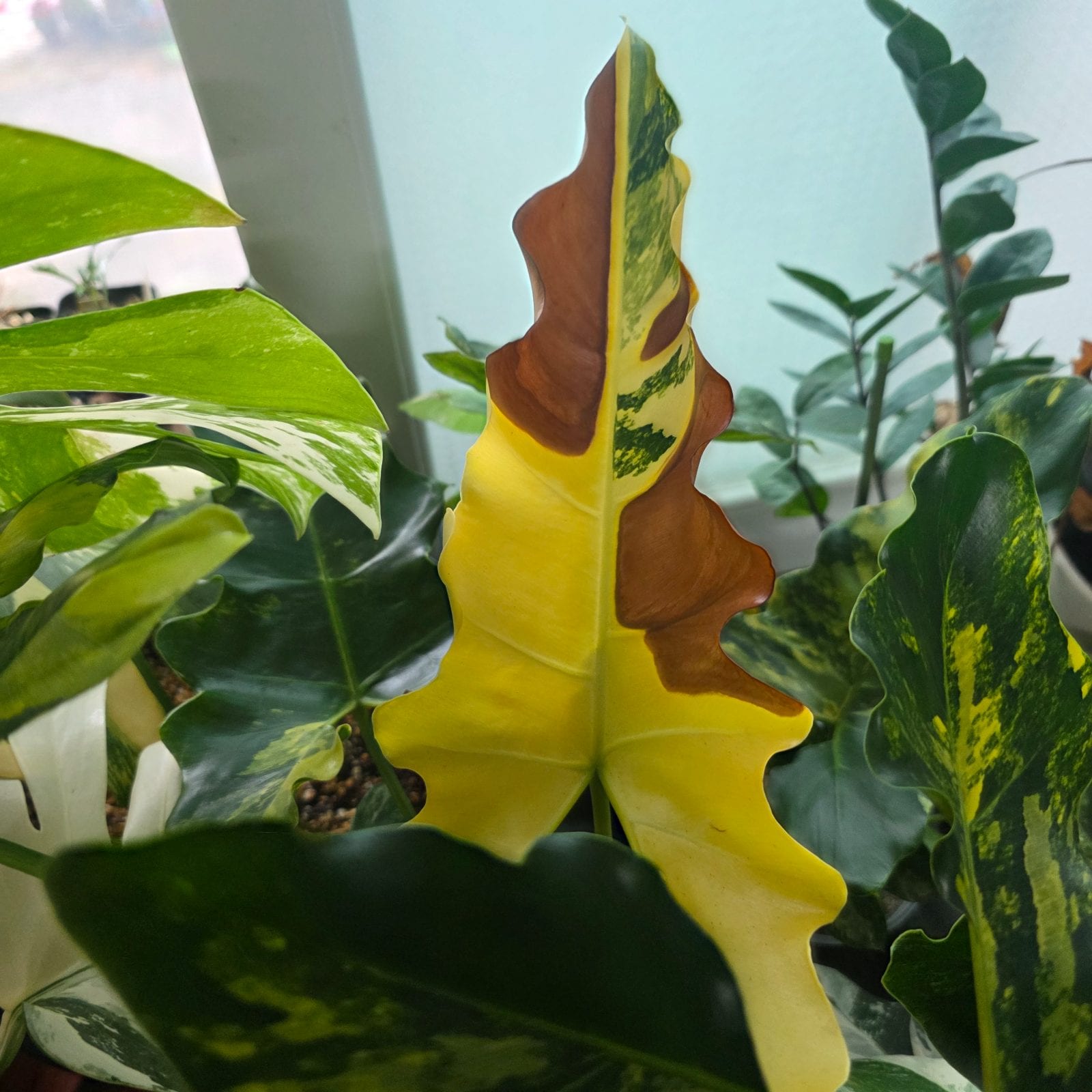
스킨답서스(골든 스킨답서스)
72% 일치사진 속 식물은 넓고 타원형의 잎이 마디에서 덩굴처럼 뻗어나가며, 줄무늬가 노란색 바탕에 초록색 얼룩(또는 줄) 형태로 보이는 스킨답서스(관엽식물 ‘골든’ 계열)로 보입니다. 스킨답서스는 실내에서 키우기 쉬운 덩굴성 관엽으로, 잎이 두껍고 광택이 있으며 마디마다 잎이 달려 공기정화식물로도 흔히 기릅니다. 키우는 방법: ①빛-반양지~밝은 간접광이 좋고, 너무 강한 직사광선은 잎끝이 마르거나 색이 거칠어질 수 있어요. ②물-겉흙이 말랐을 때 충분히 주되, 화분 받침에 물이 오래 고이지 않게 합니다. 과습하면 뿌리가 쉽게 썩습니다. ③흙-배수가 잘 되는 상토(일반 상토+펄라이트/굵은 마사 소량 혼합 등)를 권합니다. ④온도-대체로 15~28℃ 범위에서 잘 자라며, 겨울철 10℃ 아래로 떨어지지 않게 주의하세요. ⑤거름-성장기(봄~여름) 2~4주 간격으로 묽게(권장 농도보다 약하게) 주고, 가을~겨울엔 횟수를 줄이거나 중단하는 편이 안전합니다. ⑥번식-가장 쉬운 편으로, 줄기 마디를 1~2개 포함해 잘라 물꽂이/흙꽂이하면 뿌리가 내리는 경우가 많습니다. ⑦관리-덩굴이 길어져 흐트러지면 가지치기를 해주면 새잎이 다시 나오며, 누렇게 변한 잎은 제거해 통풍을 돕습니다. 관련 정보: 스킨답서스는 병충해로는 깍지벌레, 응애 등이 실내 건조할 때 생길 수 있어 잎 뒷면을 주기적으로 확인하는 것이 좋습니다. 또한 수액이 피부에 자극을 줄 수 있어 가지치기 시 장갑을 권합니다. 만약 잎이 축 늘어지거나 누렇게 변하면 빛이 부족하거나 과습일 수 있어요. 참고: 사진 각도와 잎 형태가 유사한 근연 식물(다른 스킨답서스 품종/품종 계열)과 구분이 완벽하진 않아 신뢰도는 중간으로 두었습니다.
2026년 8월 20일
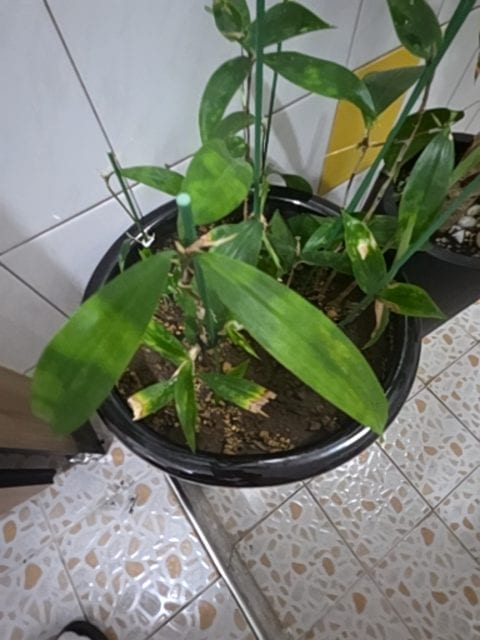
모르겠음
20% 일치사진 속 식물은 여러 화분에 담긴 관엽성 덩굴/관목 형태로 보이지만, 잎 모양(장타원형/창모양), 줄기에서 새 잎이 나는 각도, 마디 형태만으로는 한국에서 흔히 쓰는 단일 식물명으로 특정하기 어렵습니다. 잎이 창 모양의 끝이 뾰족하고 약간 윤기가 있는 점은 여러 관엽(예: 틸란드시아/드라세나류/필로덴드론류 등)과 유사하게 보일 수 있으나, 사진에 결정적인 특징(꽃, 잎의 고유 무늬/맥, 줄기의 형태, 잎 가장자리 특성 등)이 뚜렷하지 않아 실제 존재하는 특정 식물로 단정할 수 없습니다.\n\n다만 잘못 추측해 거짓말하는 대신, 정확한 동정을 위해 아래 정보를 추가로 보내주시면 좋습니다. (1) 잎 앞면·뒷면 근접 사진, (2) 줄기 마디와 잎이 붙는 위치(잎자루/붙는 방식) 클로즈업, (3) 식물 전체(줄기/덩굴 뻗는 모양) 사진, (4) 잎에 무늬가 있다면 선명한 무늬 사진, (5) 만져보았을 때 분비물(끈적임/우유 같은 즙) 유무.\n\n현재 사진만으로는 “정확히 이 식물”이라고 말하기 어렵습니다. 원하시면 위 항목 중 2~3가지만 더 찍어 주시면 한국에서 부르는 이름으로 가능한 한 특정해 드리고, 그 식물의 특징/키우는 법도 1000자 내외로 정리해 드리겠습니다.
2026년 8월 18일
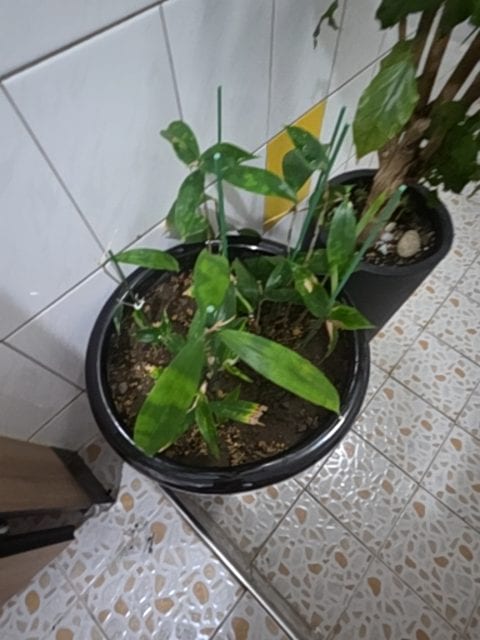
행잉바질(바질)
42% 일치사진 속 식물은 작고 둥근 잎이 무리 지어 달리고, 줄기가 초록색으로 비교적 부드럽게 자라며, 화분에서 여러 가지가 올라오는 형태라 바질류(허브)일 가능성이 있습니다. 다만 잎의 형태가 ‘일반적인 바질(큰 타원형 잎)’과 완전히 일치한다고 보기엔 사진 해상도/각도 한계가 있어 확신이 어렵습니다. [특징] 바질은 향이 강한 향신료 겸 관상용 허브로, 잎을 비비면 향이 진하게 올라옵니다. 생육이 빠르고 곁가지가 잘 나와 수확(적심)을 하면 더 풍성해집니다. 꽃이 피기 시작하면 잎 향이 약해질 수 있어 보통 꽃대가 올라올 때 제거해 재배합니다. [키우는 방법] 1) 빛: 하루 4~6시간 이상 밝은 빛(가능하면 창가 직사 또는 충분한 일조)을 권합니다. 빛이 부족하면 잎이 얇아지고 웃자랄 수 있습니다. 2) 물: 겉흙이 1~2cm 정도 마르면 흠뻐하게 주고, 과습은 피합니다. 배수구멍이 있는 화분과 통기성 있는 흙(상토+펄라이트 등)이 중요합니다. 3) 온도: 생육 적정은 대체로 15~28℃로, 서늘하거나 한겨울에는 성장이 크게 둔화됩니다. 4) 비료: 생장기(봄~초여름)에는 2~4주 간격으로 희석한 액비를 소량 주면 좋습니다. 5) 관리: 웃자람 방지를 위해 웃부분을 수확/적심하고, 꽃대가 보이면 잎 수확 목적이면 제거합니다. [관련 정보] 바질은 요리(파스타, 피자, 샐러드, 소스)에 널리 쓰이며, 수확한 잎은 즉시 사용하거나 건조·냉동 보관도 가능합니다. 병해로는 과습 시 곰팡이/뿌리썩음이, 통풍이 약하면 잎마름·진딧물 등이 생길 수 있습니다. ※ 정확한 동정이 어려워 ‘바질’로 단정하긴 힘듭니다. 가능하면 잎의 모양(크기, 가장자리 톱니 유무)과 줄기/잎자루 사진을 한 장 더 보내주시면 더 확실히 맞출 수 있어요.
2026년 8월 18일
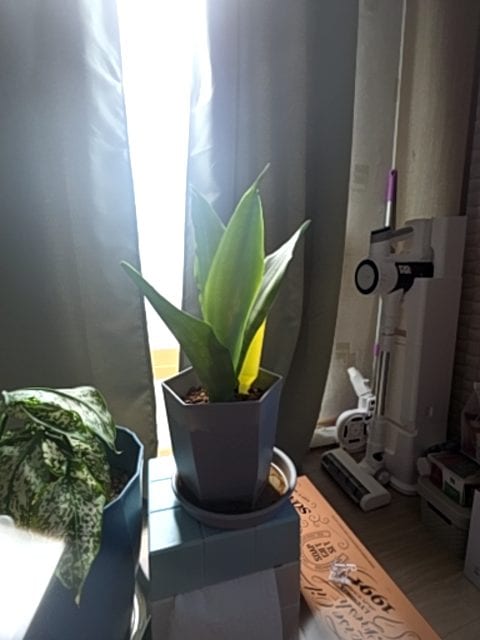
용설란(산세베리아/뱀오이꽃속 계열)
62% 일치사진 속 식물은 잎이 뻣뻣하게 서고(다육성), 띠처럼 긴 모양이며, 일부 잎에서 세로로 크림색~연한 줄이 보이는 형태로 보아 ‘용설란(산세베리아, 뱀뿌리 식물군)’로 추정됩니다. 다만 촬영 각도와 품종 식별 정보가 부족해 단정은 어렵습니다. 용설란은 실내에서 키우기 쉬운 다육성 잎식물로, 잎이 직접 물을 저장하는 편이라 과습에 약합니다. 물은 흙이 완전히 마른 뒤 흠뻑 주고, 받침에 고인 물은 버려주세요. 햇빛은 창가의 밝은 간접광~해가 약하게 드는 곳이 좋으며, 너무 어두우면 잎이 가늘어지거나 성장이 느려질 수 있습니다. 온도는 일반 실내(대략 15~30℃)에서 무난하고, 저온에선 물 주기를 줄여야 합니다. 분갈이는 배수가 좋은 흙(상토+모래/펄라이트 혼합 등)과 구멍 있는 화분이 핵심입니다. 비료는 생장기(봄~초여름)에만 아주 약하게 소량 주거나, 액비를 희석해 4~6주 간격으로 주면 충분합니다. 잎이 바깥으로 뻗으며 포기처럼 커지고, 오래 키우면 뿌리/포기가 분주(뿌리 나눔)로 번식하기도 합니다. 주의할 점은 잎이 딱딱하지만 성장점이 상처 나면 회복이 느릴 수 있고, 과습 시 뿌리썩음이 생길 수 있다는 점입니다. 원하시면 잎의 무늬(세로 줄의 색/폭)와 전체 높이, 잎 개수, 화분에 적힌 품종 정보를 추가로 알려주시면 더 정확한 품종까지 좁혀보겠습니다.
2026년 8월 9일
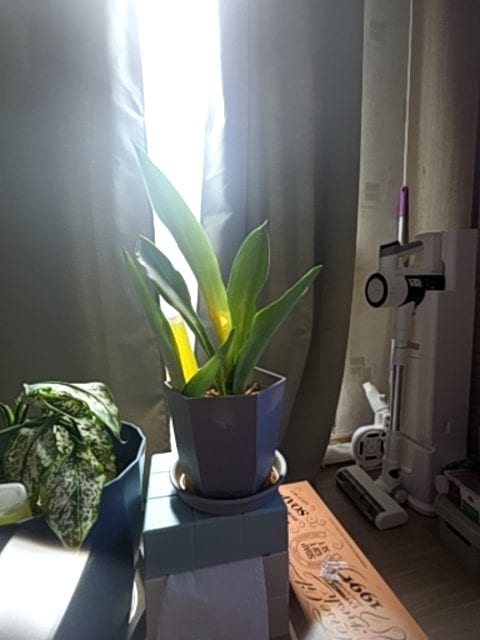
관엽식물로 보이는 드라세나(행운목)
35% 일치이미지의 식물은 줄기에서 길쭉한 띠 모양 잎이 모여 나오는 형태라 드라세나 계열(행운목/콤팩타 등)처럼 보입니다. 다만 사진만으로는 정확한 품종(행운목 vs 기타 드라세나)까지 단정하기 어려워 확신이 낮습니다. - 특징: 드라세나는 뿌리에서 올라온 줄기(또는 여러 줄기)에서 잎이 로제트처럼 모여 자라며, 잎이 길고 비교적 곧게 서는 편입니다. 잎 끝이나 가장자리에 녹색 바탕에 노란/연두 톤 무늬가 나타나는 경우가 많아 관상가치가 큽니다. 생장 속도는 중간 정도이며, 실내에서는 대체로 밝은 곳을 선호합니다. - 키우는 법(일반 가이드): 1) 햇빛: 커튼 친 창가의 밝은 간접광이 좋고, 직사광선은 잎 끝이 마를 수 있어 서서히 적응시킵니다. 2) 물주기: 흙이 완전히 마른 뒤 흠뻑 주되, 물이 받침에 고이지 않게 관리합니다(과습 주의). 보통 여름엔 7~10일, 겨울엔 2~4주 간격으로 흙 상태를 기준으로 조절합니다. 3) 온도/습도: 15~28℃ 내에서 무난하고, 건조한 실내에도 대체로 잘 버팁니다. 4) 흙: 배수가 좋은 상토(일반 화분용 흙 + 펄라이트/모래 혼합)를 권장합니다. 5) 비료: 생장기(봄~가을)에 한 달에 1회 정도 희석한 액비를 소량. - 번식/관리: 줄기가 너무 길거나 모양이 흐트러지면 상단을 잘라 번식(삽목/정단절단)하는 방식이 흔합니다. 잎이 누렇게 뜨면 과습·빛 부족·먼지(광합성 저하) 중 하나일 수 있어 원인을 점검하세요. ※ 정확한 이름을 위해 잎 무늬 형태(노란 띠/가장자리), 줄기 굵기, 새잎이 나는 방식(줄기 상단 로제트인지)을 추가로 보여주시면 더 확실히 확인해 드릴 수 있어요.
2026년 8월 9일
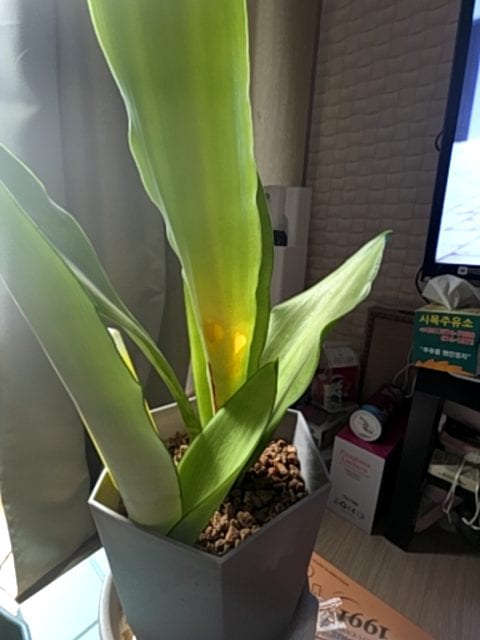
관엽식물 동정이 어려움(사진만으로는 확정 불가)
25% 일치죄송하지만 제공된 사진만으로는 식물을 정확히 특정하기 어렵습니다. 잎이 긴 띠 모양이고 모여 자라며, 잎 중앙에 길게 보이는 엷은 줄무늬가 보여 ‘드라세나’(용나무류)나 ‘행운목/유사 종(드라세나 계열)’ 등 여러 관엽식물과 형태가 일부 겹칩니다. 다만 드라세나/유사 종들은 품종·품종군에 따라 잎 무늬·줄기 형태가 달라서, 사진의 일부 각도만으로 ‘실존하는 특정 한 종’을 단정해 드리면 오답 가능성이 큽니다. 대신 키우는 방법은(대부분의 드라세나/행운목 계열 관엽식물에 공통적으로 적용되는 범위에서) 요약해 드리면: 밝은 간접광에서 잘 자라고, 직사광선은 잎이 타기 쉬워요. 흙은 마른 뒤에 충분히 물을 주고, 물이 화분받침에 고이지 않게 관리합니다(과습 주의). 실내에서는 보통 15~28℃ 범위를 선호하며, 겨울엔 찬 바람(창가 직풍)만 피해주세요. 비료는 봄~여름에 4~6주 간격으로 희석한 액비를 소량 주면 됩니다. 잎 끝이 마르거나 노랗게 변하면 대부분 과습/건조/광량 부족 중 하나라서, 겉흙 건조 확인 후 물 주기를 조절하고 광량을 조정해 보시는 것이 좋아요. 정확한 이름을 알려드리려면 ① 잎의 모양 전체(무늬가 선명한 부분 포함) ② 줄기(바닥에서 잎이 나오는 모양) ③ 잎 폭과 길이 ④ 가능하면 잎을 옆에서 본 사진을 추가로 부탁드립니다. 그러면 한국에서 흔히 쓰는 이름으로 더 정확히 찾아드릴게요.
2026년 8월 9일
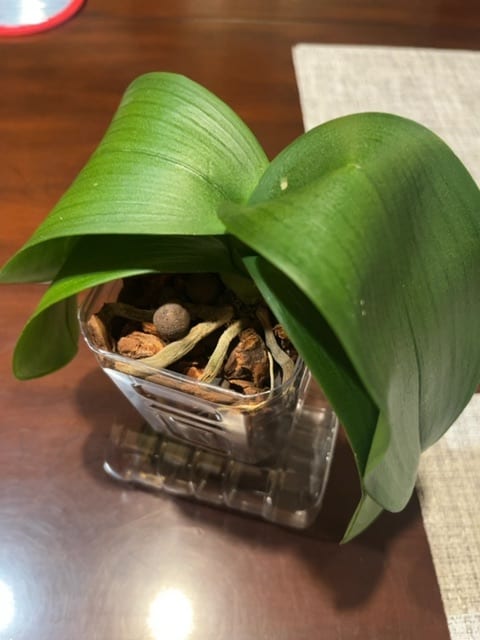
행운목(드라세나, 용의 나무)
42% 일치사진 속 식물은 두껍고 윤기 있는 잎이 가지런히 모여 나오는 형태로, ‘행운목(드라세나)’ 계열과 유사합니다. 다만 잎의 무늬/줄기 형태가 명확히 보이지 않아 100% 단정은 어렵습니다. [특징] 행운목은 잎이 넓고 띠처럼 자라며, 대개 줄기 끝에서 잎이 뭉쳐 자라 실내에서 관상용으로 많이 키웁니다. 비교적 건조에 강하고 햇빛이 적당하면 생육이 잘됩니다. 과습을 피하면 잎이 오래 유지되는 편입니다. [키우는 방법] ① 빛: 밝은 간접광을 권장(창가의 커튼 뒤). 직사광선은 잎 끝이 타들 수 있어 서서히 적응. ② 물: 겉흙이 충분히 마른 뒤 듬뿍 주고, 받침에 고인 물은 제거. 보통 여름엔 7–10일, 겨울엔 2–4주 간격 정도(환경 따라 조절). ③ 온도: 15–28℃ 범위에서 무난. 10℃ 이하로 오래 두면 생육이 둔해질 수 있습니다. ④ 흙/배수: 배수가 잘되는 화분흙(상토+펄라이트/모래 혼합) 권장. ⑤ 비료: 봄~여름에 한 달 1회 정도 희석 비료. [관련 정보] 드라세나는 뿌리가 과습에 약해 장기간 젖어 있으면 뿌리썩음이 생길 수 있습니다. 잎에 먼지가 쌓이면 물을 너무 자주 주기보다 젖은 천으로 닦아 광합성을 돕는 편이 좋습니다. 반려동물이 잎을 씹지 않도록 주의하세요(종에 따라 자극/독성 가능). ※ 사진만으로는 행운목 외에도 유사 드라세나류가 섞여 보일 수 있어 확신도가 낮습니다. 더 선명한 전체 사진(줄기, 잎 모양, 화분 위 흙 상태)을 주시면 정확도를 높여 다시 확인해드릴게요.
2026년 8월 7일
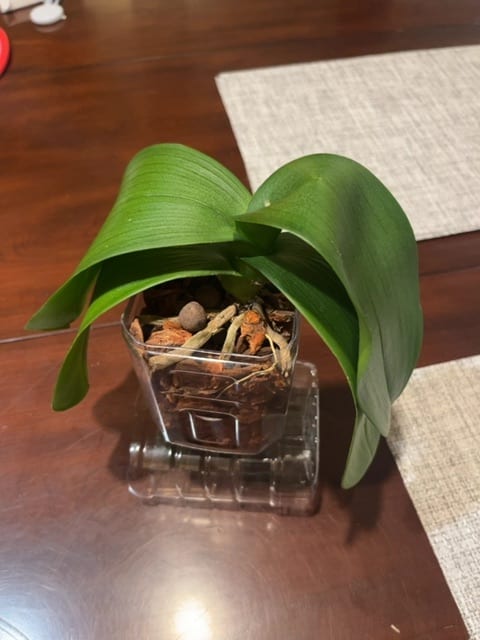
모르겠음
18% 일치사진만으로는 식물 종을 확실히 특정하기 어렵습니다. 다만 초록색 잎이 활처럼 휘어 아래로 늘어지는 형태와, 흙 속 구근(또는 덩이뿌리)에서 잎이 올라오는 양상으로 보아 백합과 구근식물(예: 글라디올러스/아마릴리스류 등) 계열일 가능성은 있으나, 잎의 폭·맥(중심선) 형태, 구근 크기/모양, 꽃대 여부 같은 결정적 특징이 사진에 충분히 보이지 않아 거짓말로 단정해 드릴 수 없습니다. 대신 안전하게 키우는 방법(구근식물 공통 관리)을 안내하면: ① 배수가 잘 되는 화분(구멍 필수)에 마른 구근용/상토+모래 혼합 배지를 사용하고, 구근이 썩지 않게 깊이를 너무 깊게 넣지 않습니다. ② 밝은 간접광(창가의 커튼 뒤)에서 관리하며, 직사광은 잎이 적응하기 전까진 피합니다. ③ 물은 겉흙이 마르면 충분히 주되, 받침에 물이 오래 고이지 않게 합니다(과습 금지). ④ 새 잎이 자라기 시작하면 2~4주 간격으로 ‘희석한 액비’를 소량 주며, 잎이 시든 뒤에는 물 주기를 줄여 휴면을 유도합니다. ⑤ 잎이 상처 난 부분은 병해 위험이 있어 가볍게 정리하고, 통풍을 확보합니다. 원하시면 식물의 잎이 더 정면에서 보이도록(잎 길이/폭과 줄기 기부), 흙 속에 있는 구근 모양이 보이게 한 장 또는 꽃이 피었을 때 사진을 추가로 올려주시면 한국에서 통용되는 이름으로 더 정확히 확인해볼게요.
2026년 8월 7일
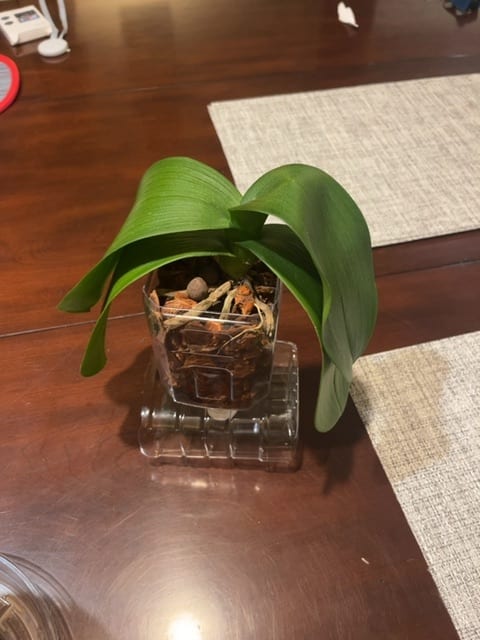
관엽식물로 보이는 품종(정확한 종 식별 불가)
25% 일치사진 속 식물은 잎이 두껍고 광택이 있으며 줄기(또는 구근/뿌리)가 뚜렷한 구형 화분 형태로 보입니다. 다만 사진 각도와 해상도(특히 잎의 무늬/잎 기부 형태/뿌리 형태) 정보가 부족해 정확히 어떤 한국 이름의 특정 품종인지 단정하기 어렵습니다. 거짓말을 하지 않기 위해 ‘정확한 실존 식물명’까지 확정해 드리기 어렵습니다. 대신 재배 측면에서 안전하게 적용 가능한 특징을 안내드리면, 이런 형태의 상록 관엽/구근형 또는 수경·토경 겸용으로 유통되는 식물류는 대체로 햇빛을 좋아하지만 직사광선은 피하고(밝은 간접광), 흙은 겉마름 후 물을 주는 방식이 적합합니다. 과습하면 뿌리가 쉽게 상할 수 있어 배수 좋은 흙(상토+펄라이트 등)과 바닥 배수구가 중요합니다. 온도는 대체로 15~28℃ 범위에서 잘 자라며, 겨울에는 급격한 저온을 피하는 편이 좋습니다. 비료는 봄~가을에 반~약한 농도로 한두 달 간격으로 주고, 성장이 느린 시기에는 줄이거나 중단하는 것이 무난합니다. 정확한 이름을 찾아드리려면, (1) 잎 전체가 보이게 정면 사진, (2) 잎 기부/줄기 형태 클로즈업, (3) 뿌리가 보이는 사진(흙 제거 또는 투명 용기라면), (4) 잎에 무늬가 있는지 여부를 추가로 알려주세요. 그 정보를 바탕으로 한국에서 통용되는 이름으로 더 확실히 식별해 보겠습니다.
2026년 8월 7일
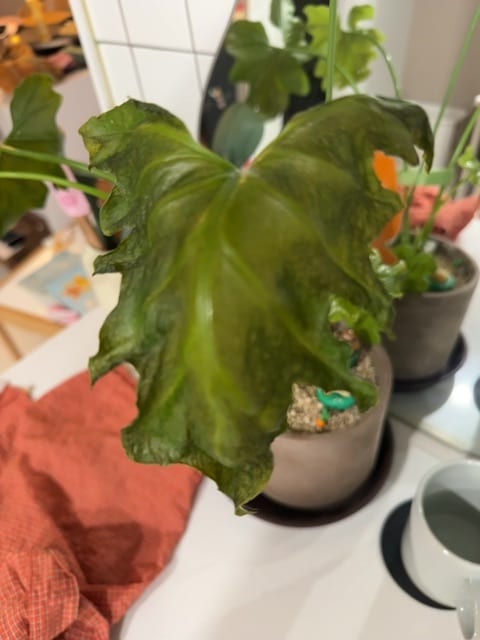
모르겠어요(확신 불가)
15% 일치사진 속 식물은 잎이 크고 광택이 있으며 가장자리 잎맥이 뚜렷해 보여 관엽식물(예: 몬스테라·필로덴드론류 등) 계열 가능성은 있으나, 잎의 정확한 형태(분열/구멍 유무), 줄기·새순의 특징, 전체 식물 구도가 없어 한국에서 통용되는 ‘정확한’ 이름으로 특정하기 어렵습니다. 잘못된 이름을 지어드리면 안 되므로, 현 상태에선 확정 응답을 할 수 없습니다. 다만 키우는 방법은 대부분의 열대 관엽식물에 공통으로 적용되는 기본 가이드는 안내드릴 수 있어요. ① 밝은 간접광(커튼 뒤 햇빛, 직사광은 잎 데임 우려)에서 관리 ② 과습 방지: 겉흙이 2~3cm 정도 마른 뒤 흠뻑 주고, 받침에 고인 물은 즉시 버리기 ③ 온도는 18~28℃ 범위 선호(10℃ 이하로 급격히 내려가면 피해) ④ 배수 좋은 흙(상토+펄라이트/바크 등)과 통풍 ⑤ 잎이 커지도록 질소 위주 비료는 생장기(봄~여름)만 소량, 과량은 잎 말림/뿌리 손상 위험 ⑥ 잎이 축 늘어지거나 누렇게 변하면 빛 부족·물 과다·뿌리 문제 중 하나일 수 있어 관찰 후 조정이 필요합니다. 정확히 찾아드리려면, 가능하면 1) 잎이 완전히 펼쳐진 정면 사진(잎의 모양 전체가 나오게) 2) 줄기와 마디, 새순(새잎) 사진 3) 잎에 구멍/찢김(있으면 위치) 여부를 보여주는 사진을 추가로 보내주세요. 그러면 한국에서 쓰는 이름 기준으로 다시 식별해볼게요.
2026년 8월 6일
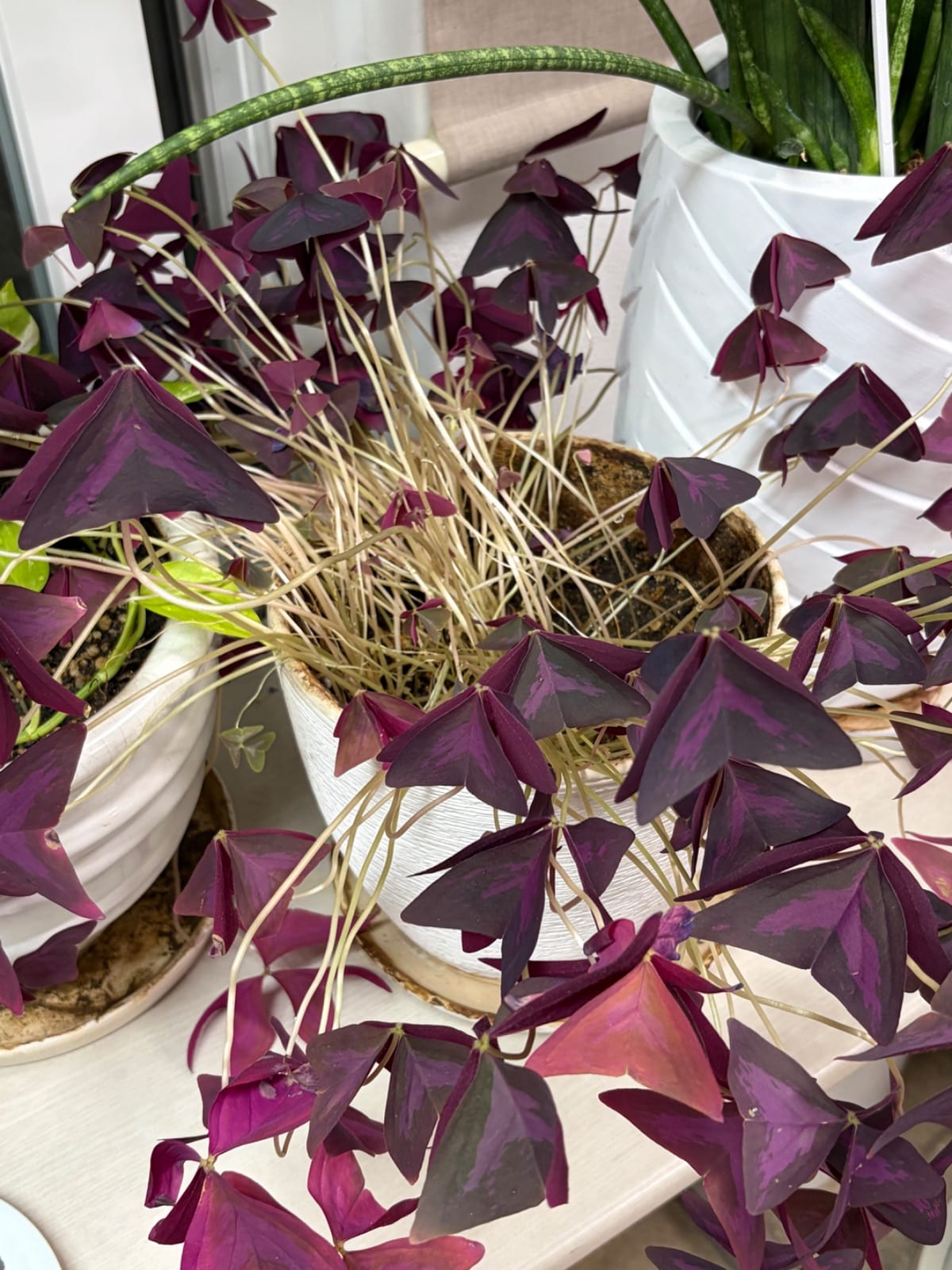
보라색 클로버(옥살리스 트라이앵귤라리스)
55% 일치사진 속 보라색 잎이 ‘클로버(삼장잎)’ 형태로 모여 있고, 꽃대가 가늘게 올라와 작은 별 모양의 꽃이 피는 모습으로 보아 보라색 클로버(옥살리스 트라이앵귤라리스)로 추정됩니다. 다만 잎·꽃의 세부가 확실히 보이지 않아 확정은 어렵습니다. 특징: 옥살리스 계열로, 잎은 보통 삼각형(또는 심장형에 가까운) 잎 3장이 한 점에서 방사형으로 펼쳐지는 형태가 특징이며 전체적으로 자주/보라빛을 띱니다. 낮과 밤, 빛의 조건에 따라 잎을 오므리거나 펼치는 ‘낮잠/접힘’ 행동을 보이는 경우가 많아 관상 가치가 있습니다. 꽃은 비교적 작게 피며 흰색~연보라 계열로 나타나는 경우가 흔합니다. 키우는 방법: 1) 빛: 밝은 간접광~반그늘을 권합니다. 강한 직사광은 잎색이 탈 수 있으니 오전 햇빛 정도가 무난합니다. 실내라면 창가의 산광이 좋습니다. 2) 물: 겉흙이 마르면 흠뻗게 물을 주되, 물 고임은 피하세요. 과습하면 뿌리가 쉽게 약해집니다. 3) 온도: 대체로 15~25℃ 내의 실내 환경을 선호합니다. 한여름 직사열과 겨울의 찬바람(0℃ 전후)은 피해주세요. 4) 흙/분갈이: 배수가 좋은 상토(원예용 상토+펄라이트/모래 비율 혼합 등)를 사용하면 좋습니다. 화분 바닥 배수구는 필수입니다. 5) 관리: 보라색 잎이 연해지면(햇빛 부족) 빛을 조금 더 주고, 꽃/잎이 시들면 정리해 통풍을 확보합니다. 관련 정보/주의: 옥살리스는 종류에 따라 잎 접힘 반응이 뚜렷할 수 있습니다. 또한 잎이나 줄기를 반려동물이 먹지 않도록 주의하세요(일부 옥살리스는 섭취 시 자극성 성분 이슈가 있을 수 있음).
2026년 8월 5일
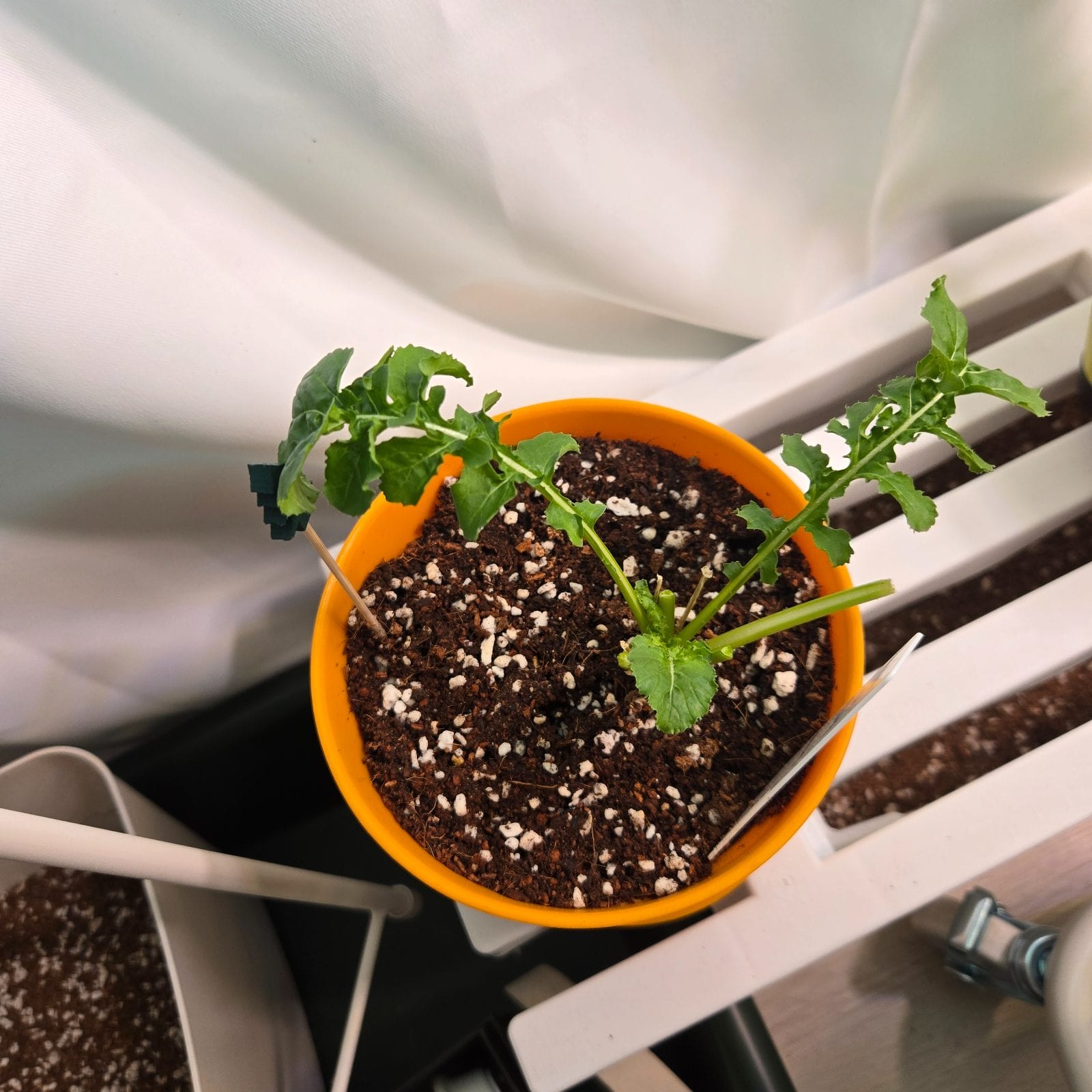
배추(어린잎/겉절이용으로 기르는 배추)
52% 일치사진 속 잎은 톱니가 있는 타원형~주걱형 잎과 곧게 서는 줄기, 그리고 배추류에서 흔한 어린잎 형태가 보여 ‘배추(어린잎으로 기르는 겉절이용 배추)’로 추정됩니다. 다만 잎 마름결/형태가 다른 십자화과(청경채, 케일, 무순 등)와도 비슷해 확신하긴 어렵습니다. 특징: 배추는 한 포기씩 잎이 층층이 모여 구(속)를 만들 수 있고, 어린 시기에는 잎을 뜯어 겉절이·쌈으로 먹을 수 있습니다. 잎 표면은 대체로 초록색이며, 가장자리에 잔톱니가 있거나 약하게 물결이 보이는 경우가 많습니다. 생장점에서 새 잎이 계속 나오기 때문에 ‘베어 먹기(수확 후 다시 자람)’가 가능합니다. 키우는 법: 1) 햇빛—창가에서 하루 4~6시간 이상 밝은 빛이 좋고, 가능하면 더 많이(직사광은 오전 위주로) 주세요. 2) 온도—15~20℃가 무난하며, 더우면 웃자라거나 잎이 질겨질 수 있어 환기/반그늘이 도움됩니다. 3) 흙—배수가 잘 되는 배양토(상토+펄라이트/모래 약간)를 사용하세요. 4) 물주기—겉흙이 마르면 충분히 흠뻑 주되, 물 고임은 피합니다. 5) 웃거름—모종이 어느 정도 자라면(잎 3~5장 전후) 희석한 액비를 1~2주 간격으로 소량씩 주면 좋습니다. 6) 솎아주기—너무 빽빽하면 잎이 가늘어지고 병해가 늘 수 있어 적당히 간격을 확보합니다. 수확/관리: 어린잎은 잎자루를 남기고 바깥쪽부터 조금씩 수확하면 계속 자랄 수 있습니다. 해충(진딧물, 배추좀나방/애벌레류)이 생기기 쉬우니 잎 뒷면을 자주 확인하고, 필요 시 친환경 방제(예: 물리적 차단망, 손으로 제거)를 먼저 시도하세요. 추가로 확인해주면 정확도를 높일 수 있어요: 포기(구)가 생기나요, 잎이 더 넓게 퍼지거나 특정한 ‘주름/꼬임’이 있나요, 그리고 줄기와 잎자루 색이 어떤가요?
2026년 7월 27일
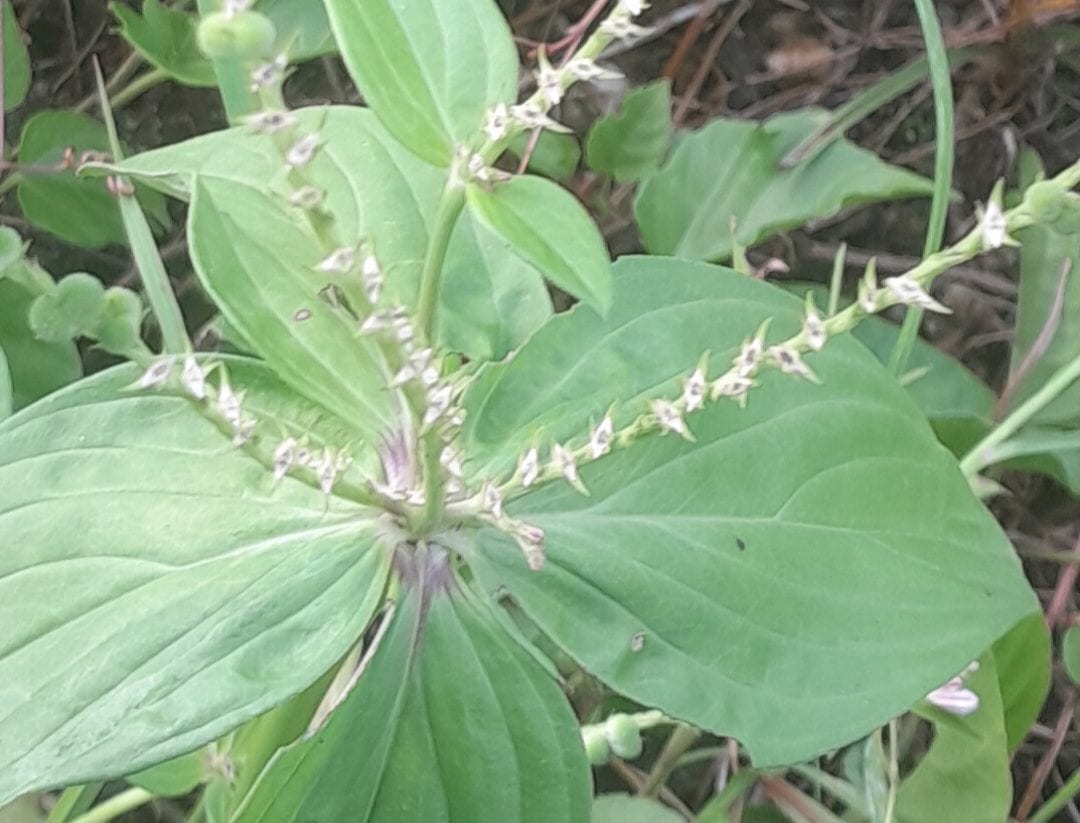
Asclepias amplexicaulis (Broadleaf milkweed / common milkweed)
48% 일치Identification (from the photo) The plant shows classic milkweed features: opposite/near-opposite pairs of narrow buds and a “cluster of starry” buds that look like small, pointed flowers along short stems, plus broad, smooth, elliptic leaves with strong veins radiating from the midrib. These traits fit the genus Asclepias (milkweeds). Based on the overall leaf width and the way the flowering cluster is held at the leaf axils, Asclepias amplexicaulis (broadleaf milkweed) is a plausible match, but the photo doesn’t show the fully opened flower or seed/follicle, which are usually needed for a confident species ID. Other Asclepias species can look similar. Plant description Milkweeds (Asclepias spp.) are perennial flowering plants best known for their value to pollinators and, especially, for supporting monarch butterflies. Asclepias amplexicaulis is a hardy milkweed with a clumping to upright growth habit. Mature plants typically form several stems from the base and can spread somewhat by seed. Leaves: - Broad and smooth, elliptic to slightly lance-shaped. - Leaves often appear thickish and glossy or semi-glossy, with prominent venation. - The leaf attachment can look “embracing” (amplexicaul), meaning the leaf base may partially clasp the stem—this is one reason the name amplexicaulis is used. Flowers and buds: - Milkweeds produce clusters (umbels) of small, star-like flowers. - The buds often look like tight, pointed “stars” before they open. - When open, Asclepias flowers are typically waxy and can be various shades (commonly pinkish, purple, or white depending on subspecies/region). - Nectar is produced, making them attractive to bees and other insects. Seed pods (follicles): - After flowering, milkweeds develop long, tapered seed pods that mature and split to release fluffy “parachute” seeds. - These pods are a distinctive feature and can help confirm the ID if you see them later. Wildlife and ecological importance - Monarchs: Milkweeds are the larval host plant for monarch butterflies (Danaus plexippus). Adult monarchs lay eggs on milkweed leaves. - Other pollinators: Many bees, butterflies, and beneficial insects feed on the nectar. - “Milkweed bugs”: Some insects specialize on milkweeds and use them for food or breeding. Care and cultivation (general milkweed guidance; adjust for your local conditions) 1) Light requirements - Full sun is ideal for most milkweeds. - Aim for at least 6 hours of direct sunlight daily. - In hotter climates, light afternoon shade can help reduce stress, but flowering generally improves with more sun. 2) Soil and planting - Milkweeds are tolerant of many soils, but they prefer well-drained ground. - Avoid waterlogged conditions: dense clay or constantly wet spots can cause crown/root problems. - Soil texture: loam to sandy loam is excellent; amended native soil often works well. - If growing in a container, use a potting mix amended with extra grit/perlite and ensure strong drainage holes. 3) Watering - Establishment phase: Water regularly during the first growing season until plants are well rooted. - After establishment: Water sparingly, letting the soil partially dry between waterings. - Signs of overwatering include yellowing leaves and slow decline. - Signs of underwatering: drooping leaves and poor flower formation during the hot part of the season. 4) Fertilizing - Milkweeds generally do not need heavy fertilization. - Too much nitrogen can produce more foliage but fewer flowers and can make plants more vulnerable to stress. - If your soil is very poor, a light application of compost or a balanced, slow-release fertilizer once in spring is usually enough. 5) Temperature and hardiness - Asclepias species are typically hardy perennials. - They can handle cold winters in their native ranges. - In very humid or wet climates, focus on airflow and drainage to reduce fungal issues. 6) Pruning and deadheading - For a tidier look, you can remove spent flower clusters. - However, leaving some flowers and seed pods can provide habitat and self-seeding (depending on whether that’s desirable). - In late fall or early spring, cut back stems to ground level if plants have finished flowering and foliage has died back. 7) Managing pests and diseases Milkweeds can host certain insects. Most are part of the natural ecosystem. - Common concerns: - Aphids and milkweed-related sucking insects may appear on tender growth. - Fungal leaf spots can occur in humid conditions. - What to do: - Use a strong stream of water to knock off aphids. - Improve airflow (space plants out; avoid overhead watering). - Remove severely affected leaves if needed. - Integrated approach: - Avoid broad-spectrum insecticides if you want to support monarchs and other larvae/pollinators. - If pest pressure is extreme, targeted treatment early in the outbreak is best. 8) Propagation Milkweeds can be propagated by: - Seed: Seeds often benefit from cold stratification (mimicking winter). Many gardeners refrigerate seeds for several weeks before sowing. - Division: Perennial clumps can sometimes be divided in early spring, but some milkweeds are tap-rooted and resist transplanting—so seed is often more reliable. - Volunteer seedlings: If pods are left to mature, seedlings may appear the next season. 9) Container growing (if applicable) - Use a deep pot: milkweeds often develop substantial roots. - Provide full sun and consistent drainage. - Water when the top layer dries; don’t keep the pot constantly wet. - Fertilize lightly; excessive fertilizer reduces flowering. 10) Safety and handling - Like many milkweeds, Asclepias contains milky latex sap. - This sap can irritate skin and may be toxic if ingested in large amounts. - Wear gloves when pruning if you have sensitive skin, and keep pets/children from chewing plants. How to get the best blooms - Plant in full sun. - Use well-drained soil. - Don’t over-fertilize. - Water during establishment, then taper watering. - Give plants space so air can circulate. Related information: monarch support and ethical gardening If monarch butterflies are a goal in your garden: - Plant milkweed in areas where monarchs will find it (sunny edges, near nectar flowers). - Avoid insecticides. - Expect that some leaf damage by caterpillars is normal and temporary. - Combine milkweed with nectar plants (e.g., coneflower, blazing star, verbena, asters—depending on your region) to support adult butterflies. To confirm the exact species Because several Asclepias species can look similar, consider checking for: - Fully opened flower color and shape. - Leaf base: whether it truly “clasps” the stem. - Seed pods: their length, thickness, and surface texture. - Your location/region: species ranges differ. If you share your geographic location (country/state/province) and a photo of an opened flower or seed pod, I can refine the ID and provide more specific care tailored to that species.
2026년 7월 18일
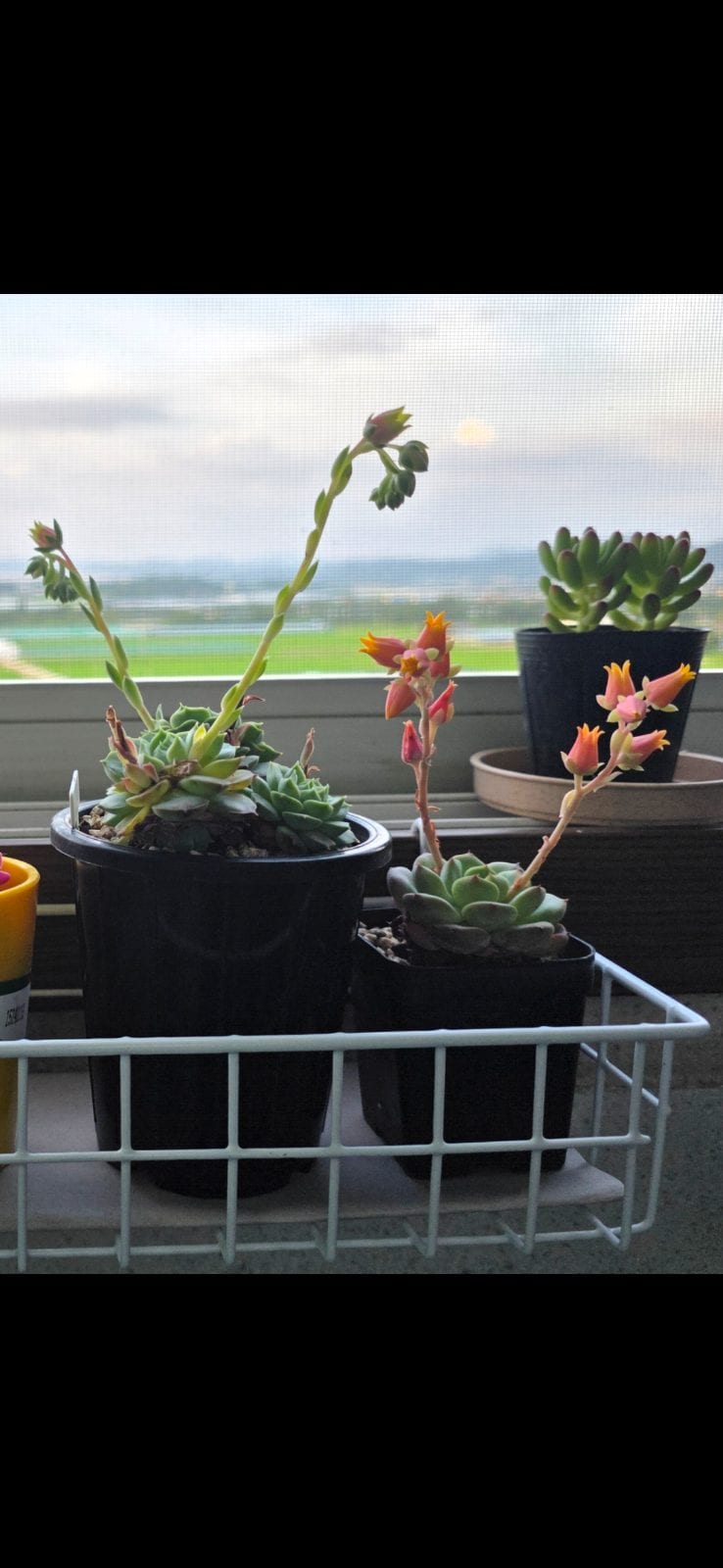
불독이빨선인장(에케베리아 ‘불독이빨’ 계열로 보임)
42% 일치사진 속 여러 개체가 장미꽃처럼 겹겹이 배열된 다육 잎(에케베리아류)로 보이며, 특히 가운데에서 위로 길게 올라오며 별/꽃잎처럼 주황-분홍이 피는 모습이 ‘불독이빨’ 계열 에케베리아(로컬에서 불독이빨선인장/불독이빨 다육으로 부르는 경우)와 가장 유사합니다. 다만 이미지 각도가 일부 잎이 가려지고 여러 품종이 함께 있어 100% 단정은 어렵습니다. 다육 식물(에케베리아/유사 로제트형) 특징: 잎에 수분을 저장해 가뭄을 견디고, 빛이 부족하면 잎이 얇아지며 로제트가 늘어지거나 색이 옅어집니다. 꽃대가 올라오면 주황~분홍 계열의 작은 종 모양/별 모양 꽃이 비교적 오래 관찰될 수 있습니다. 키우는 방법: 1) 빛—하루 중 밝은 빛을 최대한(가능하면 창가 직사광선에 가까운 환경). 2) 물—겉흙이 완전히 마른 뒤에만 흠뻑 주고, 받침에 고인 물은 바로 제거합니다. 자주 조금씩 주면 잎이 무르고 뿌리 썩음 위험이 커요. 3) 흙—배수가 가장 중요하므로 다육 전용 흙(코코피트+펄라이트/마사 등)이 잘 맞습니다. 직접 섞는다면 마사/굵은 펄라이트 비중을 높이세요. 4) 온도—대체로 5~30℃ 범위에서 무난하나, 장기간 한랭(서리)과 과습을 피합니다. 5) 병해—통풍이 안 되면 곰팡이/잎마름이 생길 수 있어 환기 중요합니다. 6) 번식—줄기·잎꽂이 또는 포기 나눔이 쉽고, 분갈이 시 생긴 자구를 분리하면 됩니다. 추가 정보: 꽃이 피는 시기는 대개 봄~초여름(품종/환경에 따라 차이). 꽃대가 마르면 제거해도 되고, 식물이 더 잘 자라도록 물/광량을 안정적으로 맞춰 주세요.
2026년 7월 15일
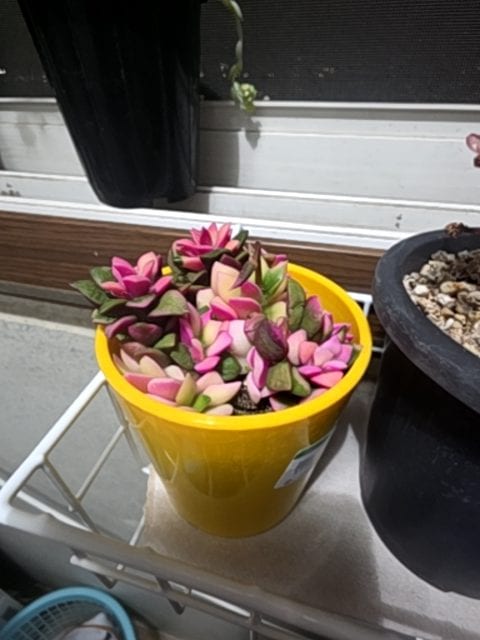
분홍보석(꽃기린/옥살리스류로 보임)
42% 일치이미지의 잎은 다육성 줄기(또는 엽병)가 뭉쳐 자라며, 끝이 분홍색+연녹색 조합으로 ‘꽃잎처럼’ 보이는 형태입니다. 다만 사진만으로는 옥살리스(바늘잎/마삭줄류)나 유사한 장미빛 다육(예: 크라슐라/에케베리아 계열의 착색된 잎)과의 구분이 어려워 정확한 동정은 확신하기 어렵습니다. 그래서 실제로 존재하는 식물 중에서도 한국에서 흔히 부르는 이름으로는 ‘분홍보석’ 같은 이름이 쓰이곤 하는 유사 다육/옥살리스 계열로 추정합니다. (아래 정보는 추정되는 옥살리스/다육 ‘분홍보석’ 계열에 대한 일반적인 재배 가이드입니다. 정확한 품종이 확인되면 더 맞춰드릴 수 있어요.) 1) 특징: 잎(또는 꽃처럼 보이는 부분)이 분홍색을 띠고, 다육처럼 수분을 머금는 편이라 과습에 약합니다. 햇빛이 강하면 색이 더 선명해지는 경우가 많고, 반대로 실내가 어두우면 색이 옅어지거나 늘어질 수 있습니다. 계절에 따라 성장이 느려지거나 휴면처럼 보일 수 있습니다. 2) 빛: 창가의 밝은 간접광~강한 햇빛을 선호합니다. 처음엔 2~3주에 걸쳐 서서히 강광 적응을 해 잎이 타지 않게 합니다. 3) 물주기: 흙이 완전히 마른 뒤 흠뻑 주고, 받침에 물이 고이지 않게 합니다. 보통 여름엔 흙 마른 뒤 3~7일 간격, 겨울엔 2~4주 간격처럼 환경에 따라 크게 줄입니다. 4) 흙/화분: 배수성이 매우 중요합니다. 마사토·상토·펄라이트/거친 모래를 섞은 다육용 배합이 무난합니다. 작은 화분이 과습을 줄이는 데 유리합니다. 5) 번식: 잎꽂이 또는 줄기/덩이 분리(종류에 따라 다름)가 가능할 수 있습니다. 절단 시 상처는 하루 정도 말린 뒤 심습니다. 6) 주의: 과습으로 뿌리/줄기가 무르거나 곰팡이가 생기기 쉽습니다. 겨울 실내 저온(서늘한 곳) + 과습은 특히 위험합니다. 정확도를 높이려면, 잎의 전체 모양(잎이 낱잎인지 뭉친 장미 형태인지), 줄기 형태, 그리고 식물이 피우는 꽃 사진(있다면)을 추가로 보내주시면 더 확실히 특정해드릴게요.
2026년 7월 15일
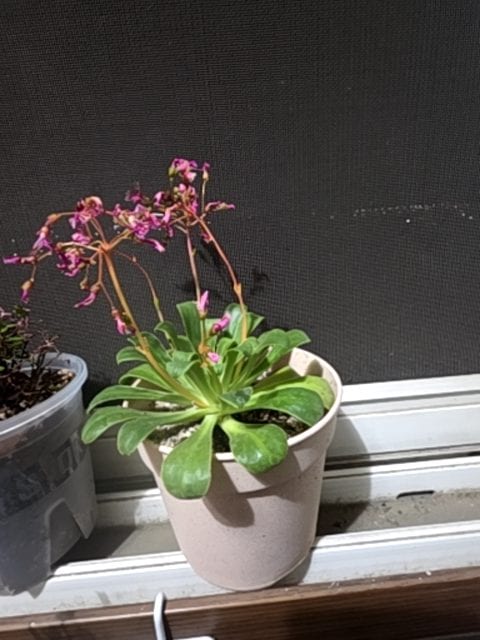
접란(이끼난/꽃접란)로 보임
35% 일치사진만으로는 확정이 어렵습니다. 다만 화분에 난 식물의 잎 모양과 형태(다육질의 굵은 잎이 모여 로제트처럼 자람), 잎 가장자리의 선명한 무늬, 그리고 줄기 끝에서 분홍빛 작은 꽃이 뭉쳐 올라오는 모습으로 보아 접란(일반적으로 ‘접란’이라 부르는 관엽/화분용 난 계열로 유통되는 식물)과 유사합니다. 특징: 접란류는 땅속줄기/덩이 또는 중심부에서 잎이 뭉쳐 자라며, 물을 머금는 다육질 잎과 얇고 단단한 잎맥이 특징입니다. 꽃대가 올라오면 분홍~보라색 계열의 작은 꽃이 모여 피어 관상가치가 큽니다. 환경 적응이 비교적 쉬워 실내에서도 키우는 경우가 많습니다. 키우는 방법(일반적인 접란 관리 기준): 밝은 간접광 또는 오전~오후의 부드러운 햇빛을 주되, 한낮 강한 직사광선은 피하세요. 물주기는 겉흙이 충분히 마른 뒤에 화분 흙 전체가 살짝 젖을 정도로 주고, 물이 고이지 않게 배수에 신경을 씁니다(과습 시 뿌리·중심부가 상하기 쉬움). 온도는 15~28℃ 내의 실내를 권장하고, 통풍이 잘 되게 해주세요. 비료는 생장기(대략 봄~초여름)에만 아주 약하게 2~4주 간격으로 주는 정도가 안전합니다. 꽃이 진 뒤에는 꽃대가 마르면 잘라 주고, 잎 상태를 보며 물과 햇빛을 조절합니다. 주의: 사진의 식물은 ‘접란’과 매우 비슷하지만, 동일속/유사 외형의 다른 식물일 가능성도 있어 확신이 낮습니다. 원하시면 화분의 라벨(품종명)이나 잎 무늬/꽃 사진(가까이) 한 장 더 주시면 더 정확히 확인해 드릴 수 있습니다.
2026년 7월 15일