Rosemary (Salvia rosmarinus, formerly Rosmarinus officinalis)
설명
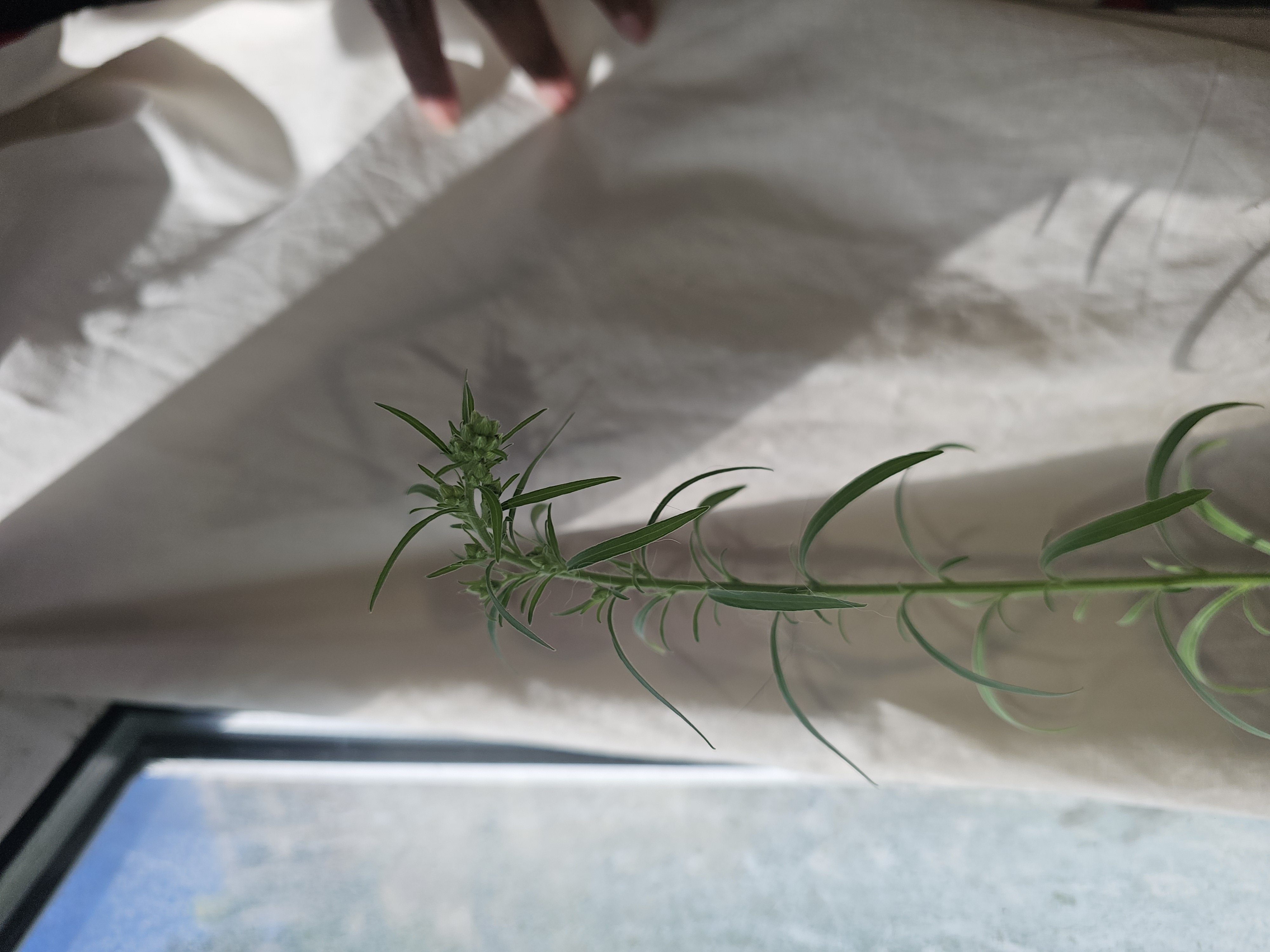
Rosemary is an evergreen shrub native to the Mediterranean region, valued for both its fragrant, needlelike leaves and its culinary and decorative uses. In appearance, it typically grows as a woody, upright stem with slender, opposite leaves that are about 2 to 4 centimeters long and 2 to 5 millimeters wide. The leaves are dark green on top and lighter or silvery beneath, giving the plant a distinctive, aromatic presence even when it is not in bloom. Mature plants may develop a slightly woody, branched habit, but indoors rosemary often remains compact and leggy if not pruned or if light is limited. In flowering season, rosemary produces small, pale blue to lavender or white flowers that grow in spikes along the stems, adding a seasonal charm to the plant. Its scent is strongly piney, resinous, and slightly camphor-like, and the essential oils carried in the leaves are responsible for much of its culinary and medicinal reputation. Identification and natural history aside, the important thing for cultivation is that rosemary is a sun-loving, drought-tolerant plant with special needs for soil drainage and light. It is a hardy perennial in its native climate, but indoors it behaves more like a short-lived European houseplant unless given optimal conditions. The plant thrives in a well-draining soil mix and prefers a bright, sunny location. When grown outdoors in warm climates, it can reach substantial size, often 1 to 1.5 meters tall and wide, with an upright, bushy form. In pots or containers, rosemary tends to stay smaller but can still become quite leggy if it does not receive enough light or frequent pruning. Care and growing conditions: - Light: Rosemary is a sun-loving plant. For best growth indoors, provide at least 6 to 8 hours of bright, direct light per day. A south- or west-facing window is ideal. If natural light is limited, supplement with a high-quality grow light placed close to the plant for a portion of the day to simulate fuller sun exposure. - Temperature and air: It prefers warm conditions and does not tolerate cold drafts or frost well. Ideal daytime temperatures range from about 20 to 25°C (68–77°F). It can handle slightly cooler nights but prolonged exposure to temperatures below 5°C (41°F) should be avoided. Good air movement helps prevent fungal issues and keeps the plant from becoming moldy or mildew-prone in indoor environments. - Soil and potting mix: Use a sandy, well-draining potting mix. A common recipe is a standard potting soil amended with perlite or pumice to improve drainage, or a cactus/succulent mix used in small amounts. Rosemary dislikes “wet feet,” so a pot with drainage holes is essential. In very dense soil, rosemary’s roots can rot, especially in winter when the plant’s water needs drop. - Watering: Rosemary is drought-tolerant and prefers to dry out somewhat between waterings. Water thoroughly when the top inch or two of soil has dried, then allow excess water to drain away. In winter, reduce watering further, as the plant’s growth slows and it requires less moisture. Be careful not to let the pot sit in water, as this fosters root rot. - Humidity and foliage care: Average indoor humidity is typically fine for rosemary. Occasional misting can help in very dry indoor environments, but avoid wetting the leaves excessively, which can promote fungal growth. Wipe the leaves with a damp cloth from time to time to keep the aroma strong and to remove dust. - Fertilizing: Rosemary does not need heavy feeding. During active growth (spring and early summer), an occasional light feed with a balanced, water-soluble fertilizer (for example, a 10-10-10 or 14-14-14 diluted to half strength) every 4 to 6 weeks is usually sufficient. Avoid heavy fertilization, which can cause excessive, soft growth that lacks aroma and can make the plant more prone to disease. - Pruning and training: Regular pruning is important to maintain a compact, bushy shape and to encourage fresh growth. Pinch back the tips of new shoots to promote branching, and trim back leggy growth to encourage a sturdier structure. After flowering, you can prune more aggressively to maintain size and prevent the plant from becoming woody at the base. When indoors, pruning also helps with air circulation—an important factor in preventing mildew and pests. - Potting and repotting: Rosemary can become root-bound in a pot over time. Repot every 2 to 3 years into a slightly larger container with fresh, well-draining mix. If you’re growing a very decorative specimen, you might prune the roots gently during repotting to encourage new growth. - Propagation: The easiest method for new plants is through semi-hardwood cuttings taken in late spring or early summer. Cut 10–15 centimeter sections of semi-hardwood stem, remove the lower leaves, and place the cuttings in a well-draining rooting medium (perlite, vermiculite, or a mix of sand and peat). Keep the cuttings moist and provide warmth and bright light; roots typically form in 4–6 weeks. - Pests and diseases: Rosemary is relatively pest resistant but can occasionally attract aphids, spider mites, or whiteflies, especially in dry indoor air. Powdery mildew can occur if air circulation is poor and humidity is high. Ensure good airflow around the plant, avoid overhead watering on the foliage, and treat with insecticidal soap or horticultural oil if pests appear. Overwatering is a common problem and can lead to root rot; always check the soil moisture before watering and ensure proper drainage. Root health is crucial to a robust scent and flavor, so monitor the roots during repotting or after changes in environment. - Harvesting and storage: For culinary use, harvest sprigs by cutting just above a pair of leaves to encourage new growth. The aroma is strongest when the leaves are crushed or finely chopped. Fresh rosemary can be used immediately, added to dishes for aroma, or dried for later use. When drying, hang sprigs in a warm, dry, well-ventilated area away from direct sunlight. Once dried, strip the leaves from the woody stems and store in an airtight container away from light. Rosemary essential oil is highly concentrated and should be used with care; it is primarily used in flavorings, perfumery, and some holistic uses but is not recommended for self-prescribing internal use without guidance. - Indoor lifecycle and longevity: With proper care, a rosemary plant can live for many years, especially if kept healthy and pruned regularly to avoid becoming overgrown and leggy. In indoor settings, it may require occasional adjustments in watering, light, and pot size as it ages. Some hobbyists even train large rosemary plants into small tree-like forms for ornamental homes or patios. - Variants and taxonomy note: Rosemary belongs to the Lamiaceae family and is commonly sold as Rosmarinus officinalis. In modern taxonomy, many botanists place rosemary in the genus Salvia, referring to it as Salvia rosmarinus. For gardeners and culinary uses, the usual name Rosemary remains widely understood, but you may see both names used in catalogs and plant labels. Regardless of the label, the care principles described here apply to the same plant. - If you’re unsure about its health: Leggy growth with sparse leaves, yellowing, or browning tips can indicate too little light, inconsistent watering, or nutrient stress. Move the plant toward brighter light, adjust the watering schedule to suit the season, and prune to encourage a denser form. If you notice pests, inspect the undersides of leaves and the growing tip, and treat with a gentle organic solution or prune away affected areas to prevent spread. Regular grooming and attention to light and drainage are your best tools to keep rosemary vibrant indoors. In summary, the plant in the photo resembles a typical rosemary specimen: an upright, evergreen herb with slender, aromatic leaves and a habit that shines in bright light. With proper sun exposure, well-draining soil, modest feeding, and regular pruning, a rosemary plant can thrive indoors for many years, delivering both fragrance and flavor to the kitchen and charm to the window sill.
식별 시간
2025년 8월 25일
안내
식집사의 기능은 AI를 사용하고 있어 부정확 할 수 있습니다. 단순 재미와 참고용으로만 사용해주세요.
식물 결과에서 바로 할 수 있는 일
이름을 확인한 뒤 공식 식물 DB에서 관리 정보를 바로 확인하세요.