Asclepias amplexicaulis (Broadleaf milkweed / common milkweed)
설명
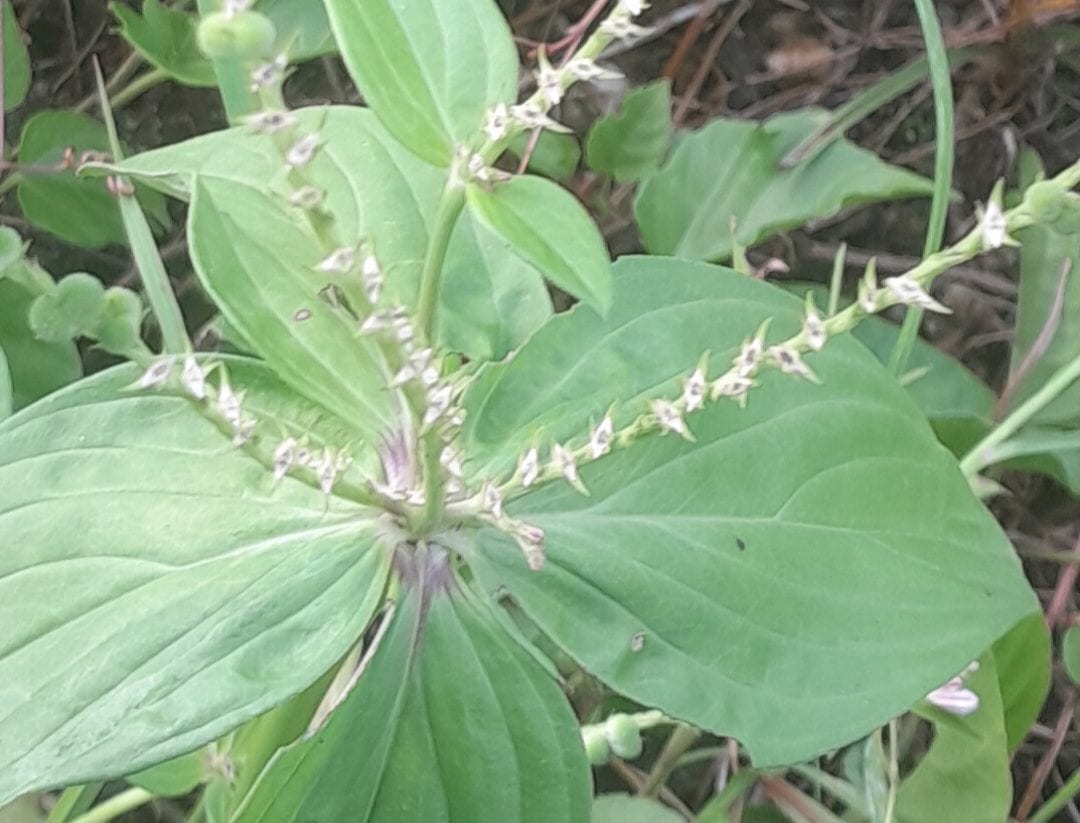
Identification (from the photo) The plant shows classic milkweed features: opposite/near-opposite pairs of narrow buds and a “cluster of starry” buds that look like small, pointed flowers along short stems, plus broad, smooth, elliptic leaves with strong veins radiating from the midrib. These traits fit the genus Asclepias (milkweeds). Based on the overall leaf width and the way the flowering cluster is held at the leaf axils, Asclepias amplexicaulis (broadleaf milkweed) is a plausible match, but the photo doesn’t show the fully opened flower or seed/follicle, which are usually needed for a confident species ID. Other Asclepias species can look similar. Plant description Milkweeds (Asclepias spp.) are perennial flowering plants best known for their value to pollinators and, especially, for supporting monarch butterflies. Asclepias amplexicaulis is a hardy milkweed with a clumping to upright growth habit. Mature plants typically form several stems from the base and can spread somewhat by seed. Leaves: - Broad and smooth, elliptic to slightly lance-shaped. - Leaves often appear thickish and glossy or semi-glossy, with prominent venation. - The leaf attachment can look “embracing” (amplexicaul), meaning the leaf base may partially clasp the stem—this is one reason the name amplexicaulis is used. Flowers and buds: - Milkweeds produce clusters (umbels) of small, star-like flowers. - The buds often look like tight, pointed “stars” before they open. - When open, Asclepias flowers are typically waxy and can be various shades (commonly pinkish, purple, or white depending on subspecies/region). - Nectar is produced, making them attractive to bees and other insects. Seed pods (follicles): - After flowering, milkweeds develop long, tapered seed pods that mature and split to release fluffy “parachute” seeds. - These pods are a distinctive feature and can help confirm the ID if you see them later. Wildlife and ecological importance - Monarchs: Milkweeds are the larval host plant for monarch butterflies (Danaus plexippus). Adult monarchs lay eggs on milkweed leaves. - Other pollinators: Many bees, butterflies, and beneficial insects feed on the nectar. - “Milkweed bugs”: Some insects specialize on milkweeds and use them for food or breeding. Care and cultivation (general milkweed guidance; adjust for your local conditions) 1) Light requirements - Full sun is ideal for most milkweeds. - Aim for at least 6 hours of direct sunlight daily. - In hotter climates, light afternoon shade can help reduce stress, but flowering generally improves with more sun. 2) Soil and planting - Milkweeds are tolerant of many soils, but they prefer well-drained ground. - Avoid waterlogged conditions: dense clay or constantly wet spots can cause crown/root problems. - Soil texture: loam to sandy loam is excellent; amended native soil often works well. - If growing in a container, use a potting mix amended with extra grit/perlite and ensure strong drainage holes. 3) Watering - Establishment phase: Water regularly during the first growing season until plants are well rooted. - After establishment: Water sparingly, letting the soil partially dry between waterings. - Signs of overwatering include yellowing leaves and slow decline. - Signs of underwatering: drooping leaves and poor flower formation during the hot part of the season. 4) Fertilizing - Milkweeds generally do not need heavy fertilization. - Too much nitrogen can produce more foliage but fewer flowers and can make plants more vulnerable to stress. - If your soil is very poor, a light application of compost or a balanced, slow-release fertilizer once in spring is usually enough. 5) Temperature and hardiness - Asclepias species are typically hardy perennials. - They can handle cold winters in their native ranges. - In very humid or wet climates, focus on airflow and drainage to reduce fungal issues. 6) Pruning and deadheading - For a tidier look, you can remove spent flower clusters. - However, leaving some flowers and seed pods can provide habitat and self-seeding (depending on whether that’s desirable). - In late fall or early spring, cut back stems to ground level if plants have finished flowering and foliage has died back. 7) Managing pests and diseases Milkweeds can host certain insects. Most are part of the natural ecosystem. - Common concerns: - Aphids and milkweed-related sucking insects may appear on tender growth. - Fungal leaf spots can occur in humid conditions. - What to do: - Use a strong stream of water to knock off aphids. - Improve airflow (space plants out; avoid overhead watering). - Remove severely affected leaves if needed. - Integrated approach: - Avoid broad-spectrum insecticides if you want to support monarchs and other larvae/pollinators. - If pest pressure is extreme, targeted treatment early in the outbreak is best. 8) Propagation Milkweeds can be propagated by: - Seed: Seeds often benefit from cold stratification (mimicking winter). Many gardeners refrigerate seeds for several weeks before sowing. - Division: Perennial clumps can sometimes be divided in early spring, but some milkweeds are tap-rooted and resist transplanting—so seed is often more reliable. - Volunteer seedlings: If pods are left to mature, seedlings may appear the next season. 9) Container growing (if applicable) - Use a deep pot: milkweeds often develop substantial roots. - Provide full sun and consistent drainage. - Water when the top layer dries; don’t keep the pot constantly wet. - Fertilize lightly; excessive fertilizer reduces flowering. 10) Safety and handling - Like many milkweeds, Asclepias contains milky latex sap. - This sap can irritate skin and may be toxic if ingested in large amounts. - Wear gloves when pruning if you have sensitive skin, and keep pets/children from chewing plants. How to get the best blooms - Plant in full sun. - Use well-drained soil. - Don’t over-fertilize. - Water during establishment, then taper watering. - Give plants space so air can circulate. Related information: monarch support and ethical gardening If monarch butterflies are a goal in your garden: - Plant milkweed in areas where monarchs will find it (sunny edges, near nectar flowers). - Avoid insecticides. - Expect that some leaf damage by caterpillars is normal and temporary. - Combine milkweed with nectar plants (e.g., coneflower, blazing star, verbena, asters—depending on your region) to support adult butterflies. To confirm the exact species Because several Asclepias species can look similar, consider checking for: - Fully opened flower color and shape. - Leaf base: whether it truly “clasps” the stem. - Seed pods: their length, thickness, and surface texture. - Your location/region: species ranges differ. If you share your geographic location (country/state/province) and a photo of an opened flower or seed pod, I can refine the ID and provide more specific care tailored to that species.
식별 시간
2026년 7월 18일
안내
식집사의 기능은 AI를 사용하고 있어 부정확 할 수 있습니다. 단순 재미와 참고용으로만 사용해주세요.
식물 결과에서 바로 할 수 있는 일
이름을 확인한 뒤 공식 식물 DB에서 관리 정보를 바로 확인하세요.