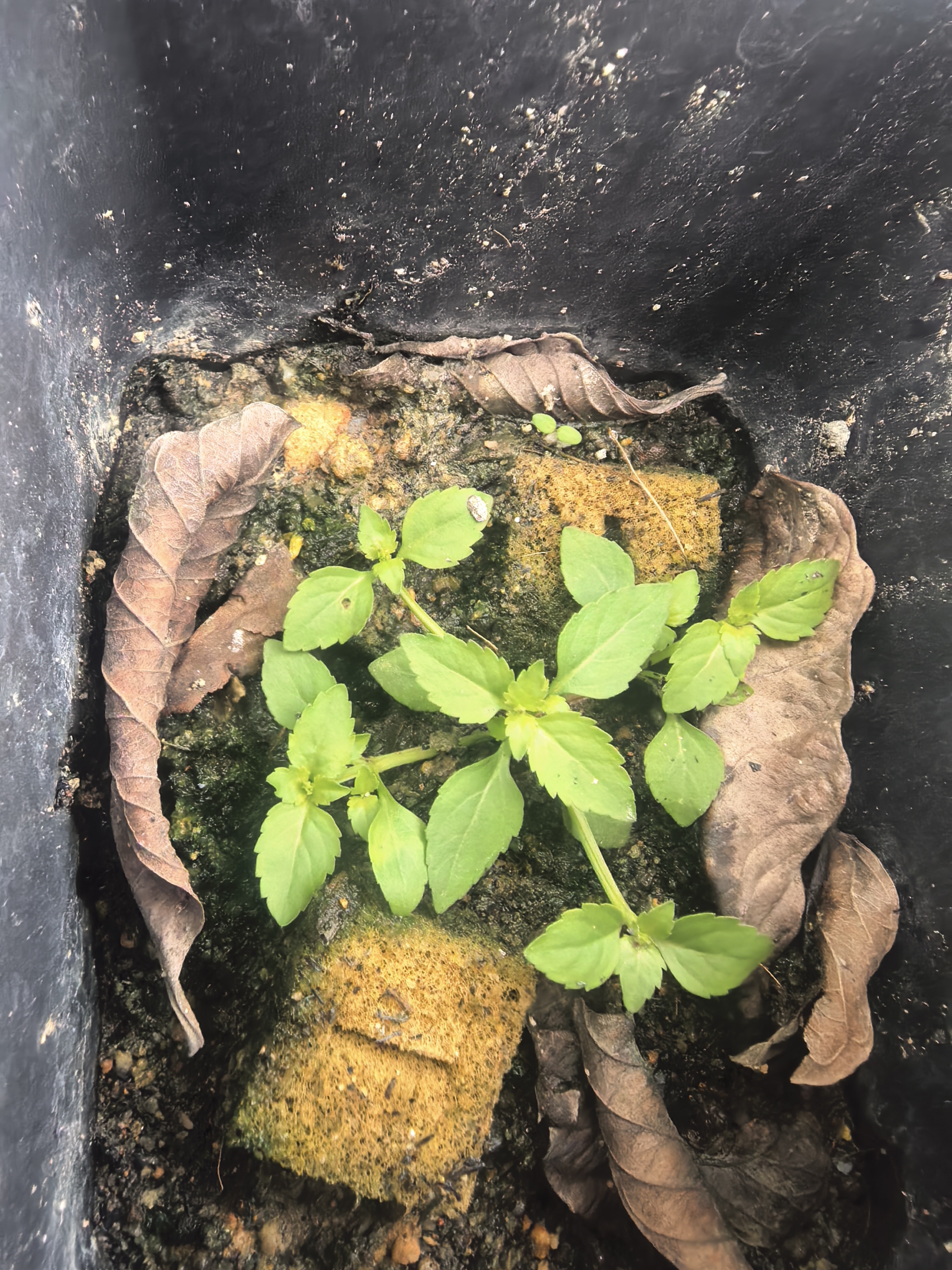
Tomato seedling (Solanum lycopersicum)
설명
Tomato plants are warm-season annuals that thrive in bright light and well-drained soil. In its first weeks, a tomato seedling concentrates on establishing a sturdy stem and developing a handful of true leaves. The plant in your pot shows the typical small, serrated, pinnate leaves that will become more lobed and feathery as the plant matures. The stem is relatively slender, and you can expect the plant to grow rapidly once it has enough light, warmth, and nutrients. Here is a detailed guide to care for this plant, with practical steps you can take now and as it grows. Light and placement Tomatoes need plenty of sun. Aim for at least 6 to 8 hours of direct sunlight per day. In indoor settings or in regions with weaker winter light, supplement with a high quality full-spectrum grow light placed a few inches above the plant for 12 to 16 hours per day. If the plant is anchored in a small pot, ensure it is positioned where temperatures stay relatively stable and the light source can be sustained consistently. Insufficient light often leads to leggy growth and poor fruit set later on. Soil and potting mix Use a high quality, well-draining potting mix. A mix designed for vegetables with added compost or worm castings works well. The soil should be slightly acidic to neutral, roughly pH 6.0 to 7.0. If your pot soil is compacted or drains poorly, consider repotting into a larger container with a drainage hole and fresh potting mix. Good drainage is essential to prevent root rot and fungal problems. Container size and transplanting Young tomato plants grow quickly, and their roots need space to develop. If this seedling is in a small pot, plan to transplant into a bigger container as soon as possible, ideally when the plant has 2–4 true leaves. Use pots that are at least 12 inches (30 cm) in diameter for determinate varieties or 14–18 inches (35–45 cm) for indeterminate types, which will give the roots room to grow and help stabilize the plant as it bears fruit. When transplanting, you can bury a portion of the stem up to the first true leaves. This encourages a stronger root system because the buried stem will develop adventitious roots along its length. Watering and humidity Tomato plants prefer consistently moist soil but not waterlogged conditions. Water deeply at the base of the plant to encourage strong root growth and avoid wetting the leaves, which can promote foliar diseases. In hot weather, you may need to water daily or every other day, depending on your container size, soil mix, and weather conditions. Mulching the surface with straw, shredded leaves, or compost helps conserve moisture, regulate soil temperature, and reduce weed competition. Fertilization and nutrition Start with a balanced starter fertilizer when you transplant, then switch to a tomato-specific or high potassium fertilizer as soon as you see new growth and the first flowers forming. A typical schedule is to feed every 1–2 weeks with a formula lower in nitrogen (for example 5-10-10 or 4-6-4), increasing potassium and phosphorus to support fruit set. Avoid excessive nitrogen early on, as it promotes lush foliage at the expense of fruit. If you prefer organic options, compost tea, worm tea, or a compost-rich soil mix can supply nutrients gradually. Staking, supports, and pruning Tomatoes grow best with some support. Indeterminate varieties, which continue growing and producing fruit throughout the season, usually require a stake or a cage. Start supporting early to prevent branches from breaking under fruit weight. Tie the main stem loosely to a stake or cage with soft ties. As the plant grows, remove or prune unnecessary growth to improve air circulation and light penetration. In the seedling stage, you generally do not need much pruning; focus on removing any diseased or damaged leaves, and later, prune suckers on indeterminate varieties to manage size and encourage energy toward fruit. A determinate variety typically requires less pruning, as it has a defined growth habit and a set number of fruit clusters. Pests and diseases to watch for Tomatoes attract a range of pests including aphids, whiteflies, spider mites, cutworms, and tomato hornworms. Fungal diseases common to tomatoes include early blight and late blight, which can show as dark spots on leaves, yellowing, and leaf drop. To minimize issues, practice good garden hygiene, provide good air circulation, water at the base, and remove any heavily infected leaves promptly. If problems arise, start with manual removal of pests, then consider organic solutions such as insecticidal soap, neem oil, or biological controls as appropriate. Rotate crops if you have a broader garden to reduce disease buildup, and avoid planting tomatoes in the same soil more than once every three to four years. Pollination and fruiting Tomatoes are self-pollinating by wind and vibration from their own flowers, but they benefit from light movement or gentle tapping of the plant to release pollen, especially in indoor conditions. When flowers form, you can support fruit set by maintaining stable temperatures and avoiding excessive heat or cold shocks. Depending on the variety and climate, you may begin to see small green fruits 45–75 days after transplanting. As fruits mature, they typically turn red, orange, yellow, or purple depending on the cultivar. Temperature and climate expectations Tomatoes prefer warm days and cooler nights, with daytime temperatures ideally between 65 and 85 F (18–29 C) and nights not dropping below about 50 F (10 C). In very hot climates, some shade during the hottest part of the day can help prevent sunburn on fruit and reduce stress on the plant. Conversely, prolonged cool temperatures can slow growth and fruit development. If you’re growing in a container, you have the advantage of moving the plant to optimize light and temperature, especially during extreme weather. Harvesting and plant longevity Once fruits reach full color and flavor, harvest with a gentle twist or lift. Do not wait for fruit to fully split or soften before picking if you want to preserve flavor and avoid waste. With proper care, a tomato plant in a container can produce fruit for several months in warm growing seasons, though the lifespan of many tomato varieties is finite and depends on many factors including climate, disease pressure, and how well you manage pruning and nutrition. What to do next if you are unsure If you are unsure whether the plant is a tomato or another species, you can monitor a few telltale signs over the next couple of weeks. Check for a distinct tomato scent on crushed leaves, especially on the younger growth. Observe stem texture and whether the plant begins to produce small yellow flowers. Look for hairiness on the stem and leaf edges, which is common in tomato plants. If you notice rapid leaf curling, unusual discoloration, or growth that does not resemble typical tomato morphology, consider comparing with images of other common volunteers or seeking a local horticulture expert’s opinion with a clearer photo. General maintenance reminders - Keep a consistent watering routine and monitor soil moisture. - Ensure adequate, but not excessive, light. - Choose a potting mix that provides good drainage and nutrition. - Pot up to a larger container before the plant becomes crowded. - Support the plant early to prevent stem breakage as fruit develops. - Keep an eye on pests and diseases; act early with integrated pest management. Bottom line If this plant is indeed a tomato seedling, you have a ready opportunity to grow a productive container tomato, especially in regions with a long warm season. Start with proper spacing, light, and nutrition, provide a sturdy stake or cage, water consistently, and watch for the signs of flowering and fruiting. If, after monitoring, the plant does not display typical tomato traits or you notice a different leaf architecture or scent, consider the possibility that it might be a different species in the same general gardening environment and adjust care accordingly. In any case, giving it bright light, a well-draining soil mix, careful watering, and timely nutrition will benefit most small, herbaceous garden volunteers and help you determine their true identity as they grow.
식별 시간
2025년 12월 29일
안내
식집사의 기능은 AI를 사용하고 있어 부정확 할 수 있습니다. 단순 재미와 참고용으로만 사용해주세요.
식물 결과에서 바로 할 수 있는 일
이름을 확인한 뒤 공식 식물 DB에서 관리 정보를 바로 확인하세요.