Okra (Abelmoschus esculentus)
설명
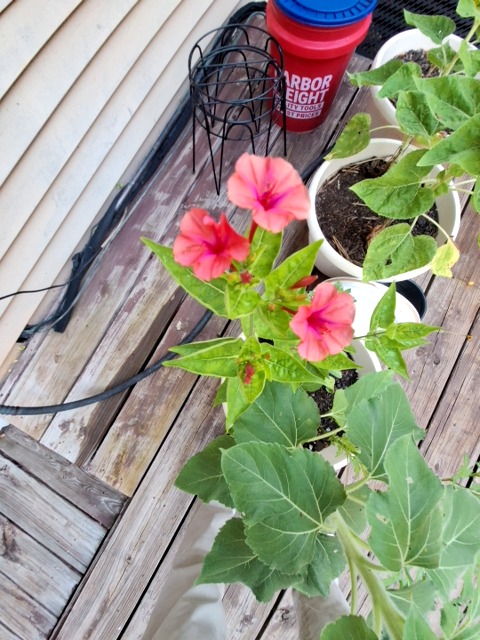
The plant in the photo resembles okra, also known as Abelmoschus esculentus or women’s finger. It is a tall, warm‑season annual in the mallow family (Malvaceae) that is grown for its edible, slender pods and its hibiscus‑like flowers. The foliage is distinctive: large, palmately lobed leaves with deep lobes and a somewhat fuzzy texture, arranged alternately on erect, sturdy stems. At the top of the plant you’ll often see showy blossoms with five overlapping petals. The petals are typically pink to pale pink, sometimes with a darker eye or throat, and they open for a single day. In many varieties the central column of the flower bears the yellow anthers of the stamens, a characteristic feature of malvaceae flowers, and very soon after flowering, small pods begin to form at the leaf axils. Those pods grow quickly in warm weather and are the edible harvest you seek. When mature, okra pods are elongated, slender, and can reach several inches in length depending on the cultivar and growing conditions. How to identify this plant in person: the tall, upright habit with a woody‑looking stem, the large lobed leaves (usually with 5 to 7 lobes, deeply cut, with a broad blade), and the hibiscus‑like flowers are the easiest clues. The overall look is of a robust, heat-loving annual that thrives in full sun and warm temperatures. If you zoom in on the leaf texture, you’ll notice slight hairiness on the leaf surface and along the stems, which is typical for okra. The pods emerge from the leaf axils as soon as the plant is in full bloom, and they can be picked over a long window of time through the heat of the growing season. Growing conditions and care - Light and temperature: Okra is a true sun lover. It performs best in full sun, with at least 6–8 hours of direct light per day. It is extremely heat-tolerant and actually prefers warm temperatures; it may struggle in cool springs and will not set pods well until the soil consistently remains warm. Freeze danger ends in your region between late spring and early summer, after which you can plant directly outdoors. - Soil: Well‑drained, fertile soil is ideal. A sandy‑loam or loamy soil with good organic matter works well. Aim for a pH around 6.0–6.8. If your soil is heavy clay or tends to compact, amend with organic matter to improve drainage and structure. - Spacing and support: Depending on the cultivar, okra can be compact or tall and leggy. Many common garden varieties reach 4–6 feet tall and may need staking or crowd control in windy locations. When grown in containers, use a large pot (at least 12–18 inches in diameter, 12–18 inches deep) and provide support if the plant starts to lean. Space plants about 12–18 inches apart in row beds; in containers, give each plant its own roomy pot. If you’re growing multiple plants, provide some airflow to reduce disease pressure. - Watering: Okra likes consistent moisture, especially during flowering and pod development. Water deeply and regularly, keeping the soil evenly moist but not waterlogged. Mulching helps conserve moisture and can reduce fruit scorch on hot days. - Fertilization: Start with a balanced, all-purpose fertilizer or incorporate compost into the soil before planting. Okra benefits from a modest amount of phosphorus and potassium, which support flowering and pod formation. Avoid excessive nitrogen, which can promote lush vegetative growth at the expense of pod production. Side-dress with compost or a balanced fertilizer mid-season as needed. - Planting and timing: Sow seeds directly outdoors after the danger of frost has passed and the soil has warmed. In regions with long seasons, succession sowings every 2–3 weeks can extend harvest. Planting depth is shallow, about 1 inch. If starting plants indoors, transplant after true leaves appear and soil temperatures are consistently warm. - Container culture: In pots, choose a deep, wide container to accommodate the plant’s root system. Use a high-quality potting mix with good drainage. Place the container in full sun and ensure regular irrigation. Fertilize every 4–6 weeks with a diluted balanced fertilizer to keep growth steady. Care during the growing season - Pruning and training: Some gardeners trim the top of taller okra varieties to promote branched growth and reduce lodging in windy locales. This can also encourage earlier pod production. If you have limited space, choose bushier, shorter varieties to minimize staking needs. - Pest and disease management: Common pests include aphids, flea beetles, thrips, and stink bugs. Use insecticidal soap or neem oil as needed, and monitor leaves for signs of feeding. Powdery mildew, leaf spots, and other fungal diseases can occur in humid conditions; ensure good airflow, avoid overhead watering, and remove any heavily affected leaves. Crop rotation and sanitation help reduce disease buildup in beds; in containers, clean pots between seasons if you reuse them. - Harvesting: Pods should be picked young and tender to keep texture and flavor at their best. For most varieties, harvest when pods are about 2–4 inches long, though some prefer 3–6 inches. Picking pods every day or every other day encourages the plant to produce more fruit. If pods are allowed to get larger (over 4–5 inches), they become fibrous and less desirable for cooking. Use fresh pods promptly; they store poorly, typically only a few days in the refrigerator. - Seasonal timing: In temperate regions, okra is typically grown as a single-season crop from late spring to early fall. In long, hot summers, the plant can produce heavily for several months. In very hot climates, you may need to protect plants from excessive afternoon sun in the peak heat or provide some light shade during the hottest part of the day. Culinary and nutritional notes - Pods are the edible portion and are a staple in many cuisines, especially Southern U.S., West African, Middle Eastern, and Indian dishes. Fresh okra adds a delicate, grassy flavor with a mucilaginous texture when cooked, which helps to thicken stews and soups. Pods can be sautéed, fried, grilled, roasted, or pickled. They pair well with tomatoes, peppers, onions, garlic, and spices such as cumin, coriander, and paprika. Some cooks remove the tips or strings to improve texture, although many varieties are relatively tender. - Nutrition: Okra pods are low in calories but high in dietary fiber, vitamin C, vitamin A, folate, and some minerals. The mucilage contains soluble fiber that can be soothing for digestive health in moderation. Because the plant is a warm-season crop, consider fresh harvests throughout the growing season to maximize texture and flavor. Gardening considerations and ornamental value - In addition to producing a harvest, okra plants offer visual appeal with bold foliage and showy hibiscus‑like flowers. That combination makes them a versatile choice for summer ornamentals, tall borders, or container displays where a tropical or greenhouse look is desired. - Varieties: There are many okra cultivars, ranging from compact, bush types to tall, upright cultivars. Clemson Spineless is a widely grown, reliable choice for many home gardeners due to its high pod yield and ease of handling. If you’re growing for ornamental purposes, there are striped or pink-flowering varieties that emphasize color and texture as well as edible pods. - Interplanting and companion plants: Okra tends to be heat-tolerant and relatively pest-resistant, but it can share space with peppers, tomatoes, and basil in edible gardens. Some gardeners report less disease pressure when okra is grown in full sun and well‑ventilated beds with proper spacing. In containers, pairing with herbs like thyme or parsley can help with pest deterrence and provide culinary convenience. Common issues and troubleshooting - Flower drop or poor pod set: This is often related to temperature extremes, inconsistent watering, or nutrient imbalances. Ensure consistent warmth, steady soil moisture, and a balanced fertilization plan. Nighttime temperatures that dip too low can also affect flower formation. - Hollow or tough pods: This results from letting pods grow too long before harvesting or from excessive heat stress. Regular harvest helps maintain tender pods and continuous production. - Leaf yellowing or plant stress: Check for waterlogged soil, nutrient deficiencies, or root problems. Ensure proper drainage especially in containers, and avoid overwatering. In summary The plant in your photo is best identified as okra, a warm-season annual grown for its edible pods and striking hibiscus-like flowers. It thrives in full sun, rich, well-drained soil, and a consistently warm environment. With proper care—adequate moisture, balanced nutrition, and timely harvesting—okra can provide an abundant harvest throughout the heat of summer while adding ornamental value to pots or garden beds. Whether you’re growing Clemson Spineless or an ornamental pink‑flowered variety, the combination of lush foliage, vibrant flowers, and tasty pods makes okra a rewarding addition to many home gardens.
식별 시간
2025년 8월 25일
안내
식집사의 기능은 AI를 사용하고 있어 부정확 할 수 있습니다. 단순 재미와 참고용으로만 사용해주세요.
식물 결과에서 바로 할 수 있는 일
이름을 확인한 뒤 공식 식물 DB에서 관리 정보를 바로 확인하세요.