Ruta graveolens (Common Rue)
설명
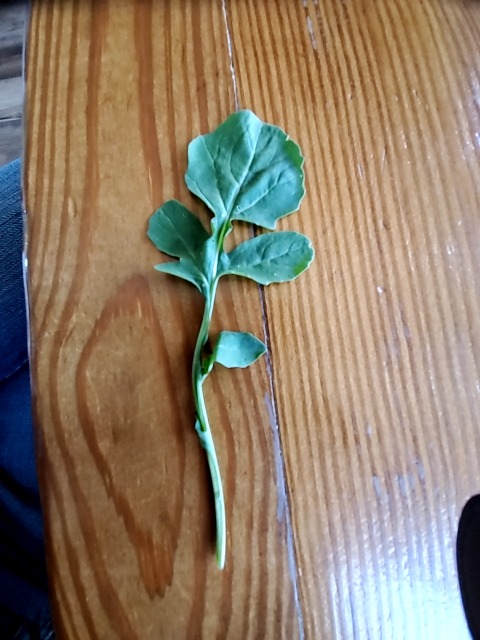
Based on the photo, the plant resembles Ruta graveolens, commonly known as common rue or rue. Rue is a hardy, herbaceous perennial in the citrus family (Rutaceae) that is grown both as an ornamental plant for its distinctive blue-green foliage and, in many regions, as a culinary and medicinal herb. The pictured sprig shows several key traits often seen in rue: a slender pale green stem with bluish-green, glaucous leaves that appear to be pinnately arranged into small, rounded leaflets. The leaflets have a soft, slightly crinkled texture and a mildly lobed or toothed margin. When crushed, rue leaves emit a strong, camphor-like, bitter aroma. Flowers, when present, are small and yellow and typically appear in late spring to summer in loose clusters from the tips of the stems. Overall, rue forms a bushy but slender plant that can reach a substantial height over time if grown in ideal conditions. The image does not show flowers, which makes positive identification a bit more challenging, but the leaf shape, color, and growth habit are quite characteristic of rue. Growth habit and appearance Rue is usually grown as a compact, upright plant that can reach roughly 1 to 3 feet (30–90 cm) tall and up to 2 feet (60 cm) wide, depending on how it’s pruned and the growing conditions. The leaves are alternate along the stems, each leaf being pinnately divided into several rounded, lobed, or scalloped leaflets. The blue-green to gray-green color, combined with the plant’s somewhat woody lower stems as it ages, gives rue a distinctive, almost frosted appearance in the garden. Texture is fairly firm but the foliage can feel slightly leathery. Rue’s scent is strong and unmistakable—even when brushed lightly—which helps in keeping some pests at bay and makes it a memorable addition to herb borders and rock gardens. Where it comes from and how it’s used Rue is native to the Mediterranean region and southwestern Asia. It has a long history of use in traditional medicine and cuisine. In cooking, rue leaves are used sparingly to flavor meats, stews, and sauces in some European and Middle Eastern cuisines. The flavor is bitter with a resinous, evergreen note, and the aroma becomes more pronounced when the leaves are crushed or cooked. Medicinally, rue has been used in various traditional systems for stomach complaints, menstrual irregularities, and as an antiseptic astringent, though its use today is much more cautious due to potential toxicity and adverse reactions. Rue is also valued by gardeners for its purported insect-repellent properties, and some growers plant it near vegetables to deter certain pests. Gardeners often grow rue as a decorative, blue-toned foliage plant even when they do not intend to harvest its leaves. Care and cultivation Light: Rue loves full sun and thrives in bright, warm conditions. It can tolerate light afternoon shade in hot climates, but to keep the characteristic blue-green color and vigorous growth, provide as much sun as possible. Soil: It prefers well-drained soil. Rue tolerates a wide range of soil types, including poor or sandy soils, but it does best in soil that drains well. Excessively wet, heavy soils can promote root rot and other problems. Water: Once established, rue is fairly drought-tolerant. Water regularly during the first growing season to establish a strong root system, then reduce frequency. Avoid overwatering, especially in cooler months, as soggy soil increases disease risk. Temperature and climate: Rue is hardy in many temperate regions but is tender in very cold winters. In zones where frost is common, rue is often grown as an annual or as a container plant that can be overwintered indoors. In very hot, dry climates, mulching helps conserve moisture and protect shallow roots. Fertilization: Rue doesn’t require heavy feeding. A light application of balanced fertilizer in early spring can support growth, but in most soils, organic matter or compost is sufficient. Over-fertilizing can lead to leggy growth and a loss of the plant’s characteristic foliage quality. Pruning and training: Regular light pruning helps maintain a compact shape and prevent legginess. Pinch back new growth to encourage bushier forms. If flowering occurs, you can remove spent flower stalks to keep leaves as the focal point. Some gardeners trim rue back after flowering to encourage new leafy growth. Propagation: Rue can be propagated from seeds or cuttings. Seed propagation is more common for season-long garden planning, while cuttings can be used to produce exact clones for container culture or to fill a border quickly. Seeds often germinate readily in warm soil; cuttings should be taken from young, healthy plants and rooted in a light, well-draining medium. Harvesting: Leaves are usually harvested when the plant is well established. Harvest on a dry day, using clean scissors to snip leaves or small branches. The flavor is strongest when leaves are young and fresh. If you are growing rue for culinary use, avoid excessive harvesting from a single plant to maintain vigor. Pests and diseases: Rue is relatively hardy and pest-resistant but is not entirely immune. Aphids, spider mites, and scale can occasionally attack rue, especially in hot, dry conditions or if plants are stressed. Powdery mildew can appear in crowded plantings with poor air circulation. Good garden hygiene, proper spacing, and occasional insecticidal soap or horticultural oil can help manage pests. Ensuring well-drained soil and avoiding overwatering reduces disease risk. Safety, cautions, and considerations Rue is a plant with potent essential oils and skin activity. Handling rue may cause contact dermatitis or skin irritation in sensitive individuals, and in some people, exposure to rue oils can be photosensitizing, increasing sensitivity to sunlight after contact with the plant. Wearing gloves when handling rue is advisable, especially during pruning or harvest. Rue can interact with certain medications; long-term or large-dose use of rue for medicinal purposes should be discussed with a healthcare provider. It is generally advised to keep rue out of reach of children and avoid ingestion in significant quantities by anyone who is not experienced with its effects. Pregnant or breastfeeding individuals should avoid rue, as it has been associated with uterotonic effects and other risks in some traditional uses. Growth and garden design considerations As an ornamental, rue’s blue-green foliage offers a pleasing contrast in herb gardens, rock gardens, and borders. It pairs well with flowering perennials in colors such as white, lavender, and yellow, and it can provide a backdrop for brighter annuals. Because rue tends to grow upright and slightly woody with age, it can function as a small vertical accent in containers or mixed borders. In container plantings, ensure the pot has good drainage and use a light, well-draining potting mix. Rue does not require heavy feeding, but a top-dress of annual compost in spring can keep the plant looking fresh. Deadheading spent blooms is optional but can help maintain a tidier appearance and encourage additional leaf growth. Ecological notes and practical tips Rue is a Mediterranean-adapted plant, so it appreciates sunny, warm conditions with good air circulation. In damp, cool climates, place rue in a sunny, sheltered location to reduce the risk of fungal problems. If you are new to growing rue, start with a single plant in a sunny bed to observe how it adapts to your local climate before expanding. If you are growing rue in a mixed vegetable garden, remember that while rue can deter certain pests, it may not be a cure-all for a heavily infested plot; integrate it with good cultural practices such as crop rotation, proper spacing, and companion-planting strategies. Final notes The plant in your photo, with its glaucous blue-green, lobed leaflets arranged along a slender stem, is consistent with rue (Ruta graveolens). While a precise identification from a leaf sprig alone can be tricky—especially when plants are young or not flowering—the combination of leaf color, shape, and growth habit strongly points to rue. If you can provide additional details, such as whether the plant has yellow flowers in late spring or summer, scent when leaves are crushed, or whether you notice any distinctive oiliness on the leaves, I can offer a more confident confirmation. Summary Rue is a versatile herb that blends ornamental appeal with culinary and traditional medicinal uses. It thrives in sunny, well-drained conditions and requires modest care. It is relatively low-maintenance, drought-tolerant once established, and can contribute striking, blue-toned foliage to a garden or container landscape. However, due to its potent compounds and potential skin sensitivity, care should be taken when handling and harvesting, and it should be used with mindfulness about safety and local regulations regarding edible plants. If you decide to cultivate rue, start with a single plant to observe its vigor in your climate, then expand gradually. With thoughtful placement and light maintenance, rue can become a distinctive and useful addition to your herb or ornamental garden.
식별 시간
2026년 2월 21일
안내
식집사의 기능은 AI를 사용하고 있어 부정확 할 수 있습니다. 단순 재미와 참고용으로만 사용해주세요.
식물 결과에서 바로 할 수 있는 일
이름을 확인한 뒤 공식 식물 DB에서 관리 정보를 바로 확인하세요.