Ornamental fountain grass (Pennisetum spp.)
설명
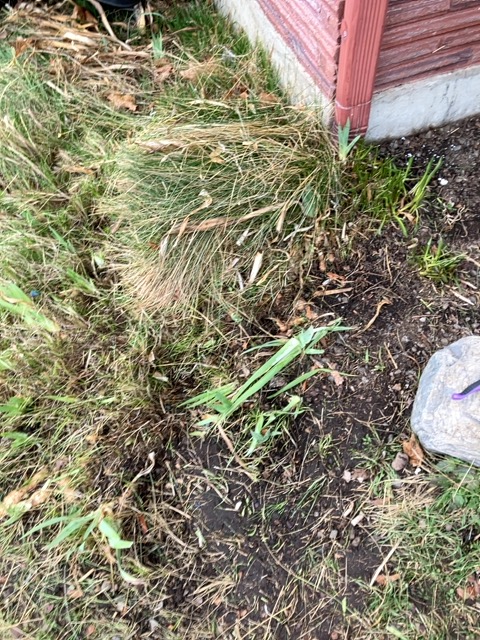
The plant shown appears to be an ornamental clump-forming grass, most likely a fountain grass (Pennisetum spp.). The dense, rounded tuft with slender, arching leaves that radiate outward from a compact center is typical of many garden grasses in the Pennisetum group, as well as similar bunched grasses. While the exact species and cultivar cannot be confirmed from a single photo, the overall habit—a spherical or dome-shaped clump of long, narrow leaves with potential seasonal foliage and plumes—fits fountain grass or closely related bunched grasses commonly used in landscape plantings. The dried brown tips seen in the image are consistent with older growth, which is normal for many ornamental grasses after the growing season. If you’ve pruned or cut back the plant in the past, this can also influence its current shape. Below is a thorough overview of what fountain grasses are, how to care for them, and considerations for growth and maintenance. What it is and how it grows - Growth habit: Fountain grasses are warm-season, clump-forming perennials. They grow from a crown and form dense, tufted clumps rather than spreading by rhizomes or stolons. Depending on the species and cultivar, mature plants typically reach anywhere from 2 to 4 feet tall (sometimes taller for certain cultivars) with a similar spread. In the photo, the clump looks compact and rounded, which can happen when the plant is older, was cut back, or has compact cultivar traits. - Leaves: Leaves are narrow, linear, and arching, usually green to blue-green in color. They often have a soft texture and can appear smooth or slightly textured. In late season, the leaves may show browning at the tips as they age. - Flowers/seed heads: Fountain grasses produce bottlebrush-like flower spikes (plumes) that rise above the foliage in mid-to-late summer and can persist into autumn or winter, depending on climate and cultivar. The plumes are often pale tan, gold, or bronze and can add a dramatic focal point when in bloom. In your photo, the plume foliage isn’t prominent, possibly because the plant is past bloom, or the plumes weren’t fully developed at the time the photo was taken. - Hardiness and seasons: Most fountain grasses are hardy in temperate to warm climates and are evergreen in milder winters but may die back in colder regions. They typically go dormant in winter, with new growth emerging in spring. Key care guidelines - Light: Plant fountain grasses in full sun for best vigor and flowering. They tolerate partial shade but may become leggy and produce fewer plumes in lower light. - Soil: They prefer well-drained soil. They tolerate a range of soil types, including sandy, loamy, and moderately clay soils, but poor drainage can lead to root rot or crown rot. - Water: Once established, fountain grasses are relatively drought-tolerant. Water them regularly during the first growing season to establish a strong root system. After establishment, reduce irrigation; avoid overwatering, especially in cooler seasons, to prevent root problems. - Fertilization: Fertilize sparingly. A light application of a balanced, slow-release fertilizer in spring can help plants become stronger after dormancy, but excessive fertilizer can lead to overly lush growth that is more vulnerable to cold damage or pests. - Spacing: Space plants according to the mature width recommended for the chosen cultivar. Typical spacings range from 18 inches to 3 feet (45 cm to 90 cm) or more, depending on the specific type. Adequate space improves air circulation and reduces disease risk. - Pruning and cleanup: In late winter or early spring, before new growth appears, cut back the previous season’s growth to near the ground. This cleanup helps with vigor, reduces disease carryover, and makes the plant react quickly with new season growth. For clumps that have become very large or crowded, consider dividing them every 3 to 4 years to refresh vigor and maintain a tidy appearance. - Mulching: Apply a light layer of mulch around the base to conserve moisture and suppress weeds. Avoid piling mulch directly against the crown, which can cause rot. - Pest and disease management: Fountain grasses are generally pest- and disease-resistant but can occasionally suffer from rust, leaf spot, or fungal issues in wet, humid conditions. Good air circulation, proper watering at soil level, and removing debris can help prevent problems. In cold climates, kill-back is normal; remove dead foliage to keep the bed looking tidy. - Winter care: In cold climates, expect dieback; cut back dead growth in late winter to mid-spring before new growth begins. In milder zones, some cultivars may hold onto foliage longer or remain evergreen. Landscape use and design tips - Visual texture: The long, arching blades create a soft, wave-like texture in borders and mass plantings. When in bloom, the plumes add vertical interest and a feathery contrast to darker evergreens or chartreuse hostas. - Mass planting: Plant in groupings for a bold statement. A drift of fountain grasses along a fence line, driveway, or hillside adds movement and year-round form. - Mixed borders: Combine with perennials that provide color at different times of the year, such as salvia, echinacea, rudbeckia, or agastache, to create a dynamic seasonal display. - Container culture: Some compact fountain grasses perform well in large containers, providing structure and seasonal color on decks or patios. Ensure ample drainage and avoid water-logging in pots. - Erosion and soil stabilization: The fibrous root system helps hold the soil in place, making fountain grasses useful on slopes or at the edge of beds. Common variations and what to expect - Species and cultivars: There are several Pennisetum species and cultivars commonly used in landscapes, including Pennisetum alopecuroides (the foxtail fountain grasses) and Pennisetum orientale, among others. Some cultivars stay more compact, while others grow taller and with denser plumes. If you want a more compact look or longer-lasting color in a given season, selecting a cultivar with the desired habit (e.g., ‘Hameln’ for a compact, 2-3 ft tall form) can help. - Color variation: While many fountain grasses are green or blue-green, some cultivars show coppery, bronze, or more silvery tones, especially as plumes age. You may notice seasonal color shifts in your plant depending on sun exposure and weather. When this plant might not be the right choice - In excessively wet soils or poor drainage areas, ornamental grasses can suffer root problems. - In regions with high maintenance constraints, some gardeners may find the upright plumes and seasonal cleanup to be more labor-intensive than low-water, low-maintenance options. - In certain climates, some fountain grasses may be aggressive or self-sow; choose cultivars with better containment or manage seed production if spreading is a concern. If you want to refine the identification further - Note bloom timing and appearance: If you observe bottlebrush plumes rising above the foliage in late spring to autumn, that strongly supports fountain grass identification. The color and structure of the plumes can differentiate Pennisetum from other grasses. - Consider growth habit and height: If the clump grows to a specific height range and has a distinctive plume color, this can narrow the species/cultivar choice. - Local climate and region: Some grasses perform differently depending on climate; sharing your hardiness zone and local conditions can help tailor care recommendations more precisely. Bottom line - The plant in the photo is best described as an ornamental clump-forming grass, most consistent with fountain grass (Pennisetum spp.). It is valued for its architectural form, soft arching leaves, and, when in bloom, feathery plumes. Care is straightforward: full sun, well-drained soil, moderate watering, yearly or biennial division for vigor, and a winter prune to restore tidiness. With proper pruning and spacing, these grasses can provide several seasons of texture and movement in borders or landscapes. If you’d like, you can provide your hardiness zone and any notes on bloom or leaf color, and I can offer a more precise cultivar recommendation and a tailored care plan.
식별 시간
2026년 2월 15일
안내
식집사의 기능은 AI를 사용하고 있어 부정확 할 수 있습니다. 단순 재미와 참고용으로만 사용해주세요.
식물 결과에서 바로 할 수 있는 일
이름을 확인한 뒤 공식 식물 DB에서 관리 정보를 바로 확인하세요.