Red Tip Photinia (Photinia × fraseri)
설명
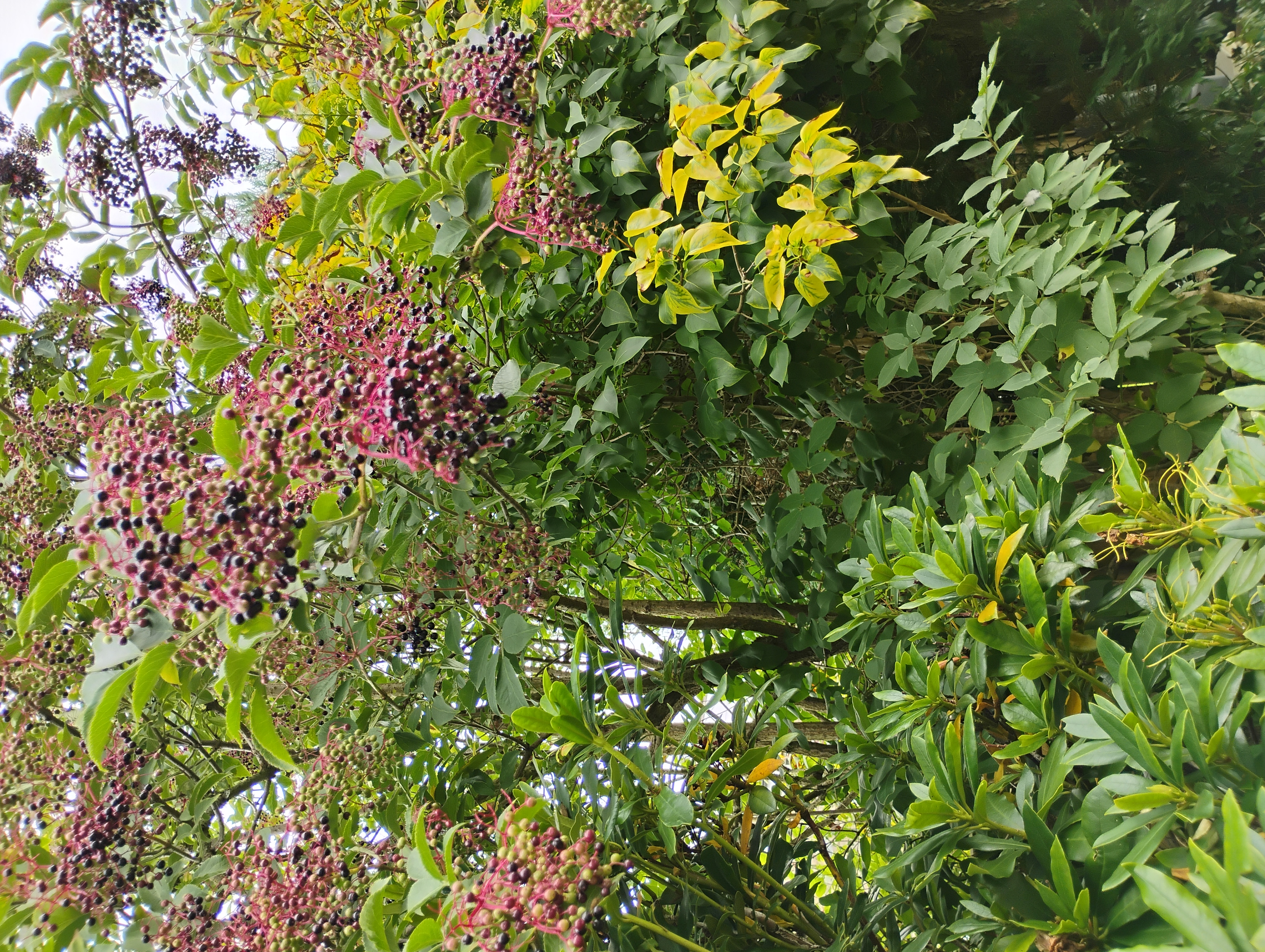
The plant in the photo appears to be Red Tip Photinia, a common evergreen shrub or small tree used in gardens and hedge screens. Its distinctive feature is the striking contrast between bright red new growth and the dark green, glossy mature leaves. This two tone effect gives the plant year round visual interest. The species most often grown in landscapes is Photinia × fraseri, a hybrid that has inherited robust growth and a strong, arching habit that makes it suitable as a specimen plant, a privacy hedge, or an informal screen. The plant in the image shows multiple stems, a dense canopy, and a profusion of berry clusters that hang from pinkish to red stems, adding seasonal color after the flowering period. The clusters of small berries in the photo are dark purple to almost black when ripe, a typical late season feature for this plant. The combination of evergreen foliage, vivid early foliage color, and ornamental fruit makes Photinia a versatile choice for many garden styles. Botanical and morphological overview: - Leaves: The leaves are simple, evergreen, and oval to obovate with a glossy surface. New growth appears as bright red or pink flushes that gradually turn to deep green as the leaf matures. The leaf margins are usually finely serrated, and the leaves are arranged alternately along the stems. The contrast between the red young leaves and the green older leaves is a signature look of this plant. - Size and form: Photinia × fraseri typically behaves as a multi-stemmed shrub or small tree, reaching roughly 6 to 15 feet (2–4.5 meters) tall under ordinary garden conditions, with a broad, openly branched habit. In hedges, it can be pruned to a denser, more formal outline. The plant tends to develop an attractive arching silhouette as it grows. - Inflorescence and fruit: In late spring, the shrub produces large terminal panicles of small white flowers. The scent is pleasant and it attracts pollinators such as bees. After flowering, numerous small berries develop. The berries begin pinkish or red and later mature to dark purple or black. They are arranged in loose clusters on pinkish to red peduncles, which can create a visually striking contrast with the dark fruit against the green foliage. Birds often feed on the fruit as the season progresses. The berries are ornamental and not typically used for eating. Cultural requirements and care: - Light and temperature: Photinia × fraseri prefers full sun to light shade. In very hot, sunny climates, some afternoon shade helps prevent excessive leaf scorch and maintains the vivid red new growth. It is hardy in warmer temperate zones (generally USDA zones 7 to 9, with some cultivars tolerating into zone 6 in sheltered microclimates). In regions with harsh winters, new growth can be susceptible to frost damage, so planting in sheltered spots or providing winter protection for young plants may be necessary. - Soil and irrigation: It thrives in well-drained soil and can tolerate a broad range of soil types, including clay or loam, provided there is good drainage. A slightly acidic to neutral pH range is typical, though it is not overly fussy. After establishment, it will settle into regular watering needs, becoming fairly drought-tolerant once roots are developed. However, in prolonged drought or extremely hot conditions, regular deep watering helps maintain vigor and the quality of new growth color. - Fertilization: Apply a balanced, slow-release fertilizer in early spring to support vigorous growth. Avoid excessive nitrogen, which can encourage overly soft growth that is more prone to diseases and may reduce the intensity of the red flush on new foliage. A yearly top-dress with compost or a general-purpose shrub fertilizer can be sufficient in many garden situations. - Mulching and pruning: A layer of organic mulch around the base helps conserve moisture, regulate soil temperature, and suppress weeds. Pruning is a key aspect of maintenance for Photinia. Prune after flowering to avoid removing next season's flower buds. Light annual or semi-annual pruning helps maintain a dense, compact shape, especially in hedges. If the plant is grown as a specimen, remove any dead, damaged, or crowded wood and selectively trim to maintain the desired silhouette. For hedges, a combination of shaping and thinning cuts can keep the plant looking tidy while preserving its natural form. Avoid heavy pruning in late winter or early spring if you live in a climate prone to fire blight, a common disease in Photinia. - Container growing: Photinia can be grown in large containers with good drainage. In pots, ensure the soil mix drains well and provide regular feeding with a balanced fertilizer. Container plants may require more frequent watering and feeding, particularly in warm weather, to maintain the vivid red new growth. Pests, diseases, and problems: - Fire blight: This is the most significant disease for Photinia, caused by the bacterium Erwinia amylovora. It can cause wilted, scorched-looking shoots and can spread rapidly in humid springs or summers. Prevention is better than cure: avoid overhead irrigation, ensure good air circulation, prune promptly to remove infected wood, and sanitize pruning tools between cuts. In infected plants, prune away the affected tissue well below the diseased area and dispose of it away from the garden. In some climates, resistant cultivars or careful cultural practices are recommended. - Other pests and issues: Scale insects, aphids, and plant mites can occasionally affect Photinia, particularly on new growth. Horticultural oils or insecticidal soaps can control these pests. Leaf spot and fungal diseases can occur on stressed plants; ensure adequate air circulation, avoid wetting leaves, and remove affected foliage when needed. Root rot can be an issue if the plant is in poorly drained soil; always ensure good drainage and avoid waterlogged roots. Propagation and growth rate: - Propagation is commonly achieved through semi hardwood cuttings taken in late spring to early summer, treated with rooting hormone to improve success. Layering or taking basal cuttings can also work well in favorable climates. Seeds are not typically used for ornamental Photinia since cultivated varieties often do not come true from seed and the fruiting characteristics can be variable. - The plant is known for rapid growth, which is advantageous for establishing hedges or screening quickly. This vigor also means regular maintenance pruning is important to keep growth in check and to sustain the desired form and size. Landscape uses and aesthetic value: - The primary appeal of Red Tip Photinia is its year round structure, evergreen foliage, and the dramatic color contrast between the new red growth and the mature dark green leaves. It is widely used as a hedge, a privacy screen, or a specimen plant in mixed borders. In spring, the brightness of the new growth adds theatrical color to the garden, and in autumn or winter the remaining red flush can provide subtle color when many other plants are dormant. The dangling clusters of berries add another textural element and a focal point for winter interest, though the berries do not have culinary value and may stain hands or surfaces if touched. - Companion planting: Photinia pairs well with other evergreen shrubs and perennials that provide contrasting textures, such as grasses, boxwood, or rhododendrons, and can be combined with flowering shrubs that bloom at different times to create ongoing interest throughout the year. Caveats and regional considerations: - While Photinia is a robust and versatile plant in many landscapes, it is not ideal for every setting. In regions where fire blight is common or where humidity levels are high, extra care should be taken with pruning practices and irrigation to reduce disease risk. In very cold climates, ensure the cultivar chosen has adequate winter hardiness or provide winter protection for new growth if necessary. Some gardeners prefer pest or disease resistant cultivars or a different evergreen option if their local conditions favor problems with Photinia. In summary, the plant in your photo is most likely Red Tip Photinia, a spectacular evergreen shrub known for its bright red new growth, glossy green mature leaves, and decorative fruit clusters. Its visual impact, rapid growth, and adaptability to a variety of garden settings explain its popularity as a hedge or focal plant. With proper planting, regular but careful pruning, and attention to potential diseases and pests, Photinia × fraseri can provide many years of structural beauty and seasonal interest in landscapes around the world.
식별 시간
2025년 8월 23일
안내
식집사의 기능은 AI를 사용하고 있어 부정확 할 수 있습니다. 단순 재미와 참고용으로만 사용해주세요.
식물 결과에서 바로 할 수 있는 일
이름을 확인한 뒤 공식 식물 DB에서 관리 정보를 바로 확인하세요.