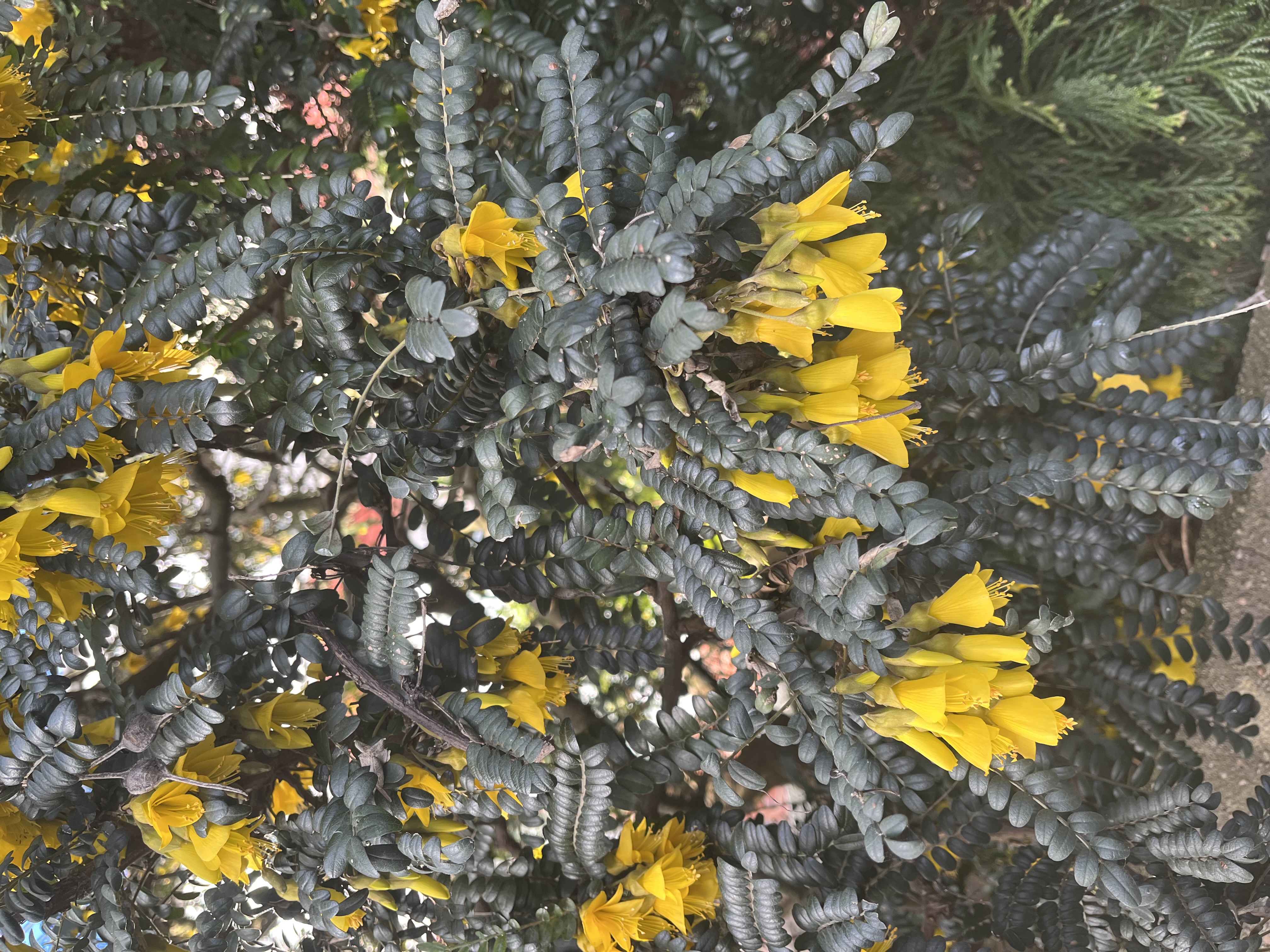
Golden broom (Cytisus sp.)
설명
The plant in the photo appears to be a yellow-blooming broom shrub, commonly sold under names such as golden broom or Cytisus. It resembles species in the Cytisus (and related Genista) group, which are small to medium deciduous shrubs in the legume family. Key identifying features in this image are the abundant, finely divided, bluish-green leaves arranged along arching, slender branches and the striking clusters of bright yellow, bell- or pea-like flowers that hang from the branches. The overall effect is a workhorse of a spring shrub: bright, cheerful color against a delicate, fern-like foliage structure. While there are many cultivars and hybrids within Cytisus and closely related broom genera, the general habit and bloom pattern in the photo point toward the classic yellow broom family. Here is a thorough description of the plant’s characteristics, common care, and related information to help you grow and enjoy it successfully. Botanical background and morphology - Growth habit: Most Cytisus species are compact to medium-sized shrubs with a rounded to upright form. They often produce arching or slightly cascading branches that create a airy, open silhouette, which makes them suitable for borders, hedges, or specimen plantings. The plant in the image has a sprawling, dense network of slender stems, suggesting a vigorous cultivar that can be trained as a low hedge or allowed to form a natural mound. - Leaves: Cytisus leaves are typically small and pinnate, consisting of many tiny leaflets arranged along a central rachis. The leaflets are oval to rounded, with smooth margins, and are usually a bluish-green to gray-green color in many cultivars. In the photo, the leaves appear to be many small leaflets along a central stem, giving a feathery, almost fern-like look. This leaf structure is characteristic of broom species and helps the plant stay light and airy even when in full leaf. - Flowers: The blooms are bright yellow and borne in clusters along the branches. The individual blossoms are typically pea-like (as is common in the Fabaceae family) and can appear as small bells when tightly clustered. In spring (and sometimes again in early summer, depending on climate and cultivar), large numbers of flowers open along the length of the stems, providing a dramatic splash of color that lasts several weeks. - Color and texture: The contrast of yellow flowers against the bluish-green foliage is one of the plant’s strongest visual features. The foliage’s delicate texture—tiny leaflets on slender rachises—complements the simplicity of the flowers and creates an overall light, luminous look in the landscape. - Hardiness and climate: Many broom species are hardy to at least USDA zones 5–9, though exact winter survivability can depend on cultivar and local conditions. They are often happiest in full sun and well-drained soil. In very hot or very wet climates, performance can vary, so choosing a cultivar suited to your region is important. Cultural needs and placement - Light: Full sun is best. A sunny location promotes abundant flowering and helps keep the foliage compact and tidy. In partial shade, flowering can be reduced and the plant may become etiolated (stretchy). If you’re planting this as a hedge or specimen, give it a spot where it receives at least 6 hours of direct sun most days. - Soil: Well-drained soil is essential. Brooms dislike wet feet, particularly in winter; clay soils or low-lying areas with poor drainage can lead to root rot and poor performance. They are adaptable to poor soils and can tolerate relatively sandy or rocky substrates, provided drainage is good. - Watering: Once established, broom shrubs are relatively drought-tolerant. Water young plants regularly during their first growing season to help establish a strong root system, then taper off. In periods of extended heat or drought, supplemental watering can improve flowering and overall vigor, but avoid overwatering. - Fertilizer: These plants generally do not require heavy fertilization. A light, balanced fertilizer applied in early spring can support growth and flowering, but avoid high-nitrogen feeds, which can promote lush foliage at the expense of flowers. If you amend the soil with organic matter at planting, you can often skip annual fertilization. - Pruning and training: Pruning is important to maintain shape, encourage bushier growth, and promote flowering for the next season. The typical approach is after flowering finishes (late spring to early summer in many regions). Remove some of the oldest wood to stimulate new shoots, shorten long canes to maintain form, and remove any damaged or crossing branches. Light annual pruning helps keep the plant compact and prevents it from becoming leggy. If grown as a hedge, annual shaping after bloom can maintain a neat, uniform appearance. - Mulching: A light mulch around the base helps conserve moisture, regulate soil temperature, and suppress weeds. Keep mulch a few inches away from the main stems to prevent rot and rodent issues. - Spacing and design: Because broom shrubs tend to branch widely, allow enough room for arching growth unless you’re using them as a formal hedge. They pair well with other drought-tolerant or Mediterranean-type plants, such as lavender, sage, or ornamental grasses, which share similar sun and soil preferences. The bright yellow bloom makes them an ideal accent plant in late winter to spring color schemes. Propagation and life cycle - Propagation: Brooms can be propagated by seeds or semi-hardwood cuttings. Seeds typically require a brief scarification and cold treatment to improve germination. Cuttings taken in late summer or early autumn from healthy shoots can root in a well-drained medium with bottom heat and high humidity. Both methods are feasible, though cuttings generally produce quicker results for ornamental use. - Flowering and growth cycle: Most Cytisus varieties bloom on new wood formed in the current season. This means that pruning after flowering encourages new growth that will bear flowers the following season. Older wood can lose vigor and produce fewer flowers, so regular renewal pruning is often recommended. - Longevity and replacement: Broom shrubs are fairly long-lived when given good drainage and sun. However, they can become leggy or woody with age. At times gardeners replace older plantings with newer cultivars to maintain vigor and flower power. If your plant looks particularly sparse or dies back in winter, it may benefit from renewal pruning or, in harsher climates, a refreshed planting after a season of rest. Common problems and maintenance tips - Pests and diseases: Brooms are relatively pest-tolerant but can be affected by rust (Puccinia spp.), aphids, and occasionally scale. Rust can appear as orange or yellow pustules on leaves. Aphids can cause curled leaves and sticky honeydew. Good cultural practices (sun, drainage, air circulation) help minimize problems. If infections occur, use appropriate horticultural oils or fungicides as recommended for a specific Cytisus cultivar in your region. - Powdery mildew and leaf spots: In humid climates, powdery mildew or leaf-spot diseases can occur. Pruning to improve air flow and avoiding overhead watering helps; if needed, apply a labeled fungicide. - Winter debilitation: In colder climates, some Cytisus cultivars may suffer from winter damage if exposed to prolonged freezes or desiccating winds. Planting against a south-facing wall, providing mulch, and selecting a cultivar rated for your hardiness zone can mitigate this risk. - Invasiveness and region-specific notes: Some broom species and their hybrids can spread aggressively in certain regions, particularly where there is mild winter and ample sun. Check local guidelines before planting in areas where invasiveness is a concern. In gardens, regular pruning and removal of seed pods (where feasible) can reduce the chance of unwanted spreading. - Toxicity: As a member of the legume family, many broom plants contain compounds that can be toxic if ingested in significant amounts. While typically grown as ornamentals, it’s wise to supervise pets and children around features with bright flowers and to avoid harvesting or consuming plant material. Uses in landscape design - Aesthetic value: The main appeal of yellow broom is its vibrant spring color and delicate, feathery foliage. When planted in groups or as a hedge, the bright yellow flowers create a dramatic seasonal effect against the cool, gray-green leaf tone. - Hedges and borders: Their compact to mid-size habit makes them excellent as low hedges, privacy screens, or edging plants along walkways. Pruning after flowering helps maintain a tidy line. - Pollinator-friendly features: The abundant blossoms attract bees and other pollinators in spring, contributing to overall garden biodiversity. - Mixed borders: Pair broom shrubs with lavender, echinacea, sage, or ornamental grasses for a Mediterranean-inspired or drought-tolerant border. Their color and texture contrast nicely with darker evergreens or silver-leaved plants. Final notes If you’re considering introducing a plant like the one in the photo into your garden, select a site with full sun and well-drained soil. Start with a modest young plant or a container specimen if you’re uncertain about soil conditions, then gradually acclimate it to garden conditions. Remember that consistent reminders of pruning after flowering will help maintain vigor and flower production in subsequent seasons. With appropriate care, a yellow broom shrub can provide years of bright spring color, a light, airy silhouette, and a rewarding, low-maintenance addition to many garden styles. Important reminder: While the photo strongly suggests a yellow broom (Cytisus or closely related), plant identification from a photo can be uncertain without additional context such as location, exact leaf and flower details, or botanical traits. If you are making care decisions or purchasing plants based on this identification, consider confirming with a local horticulturist or sending a specimen to a plant-id service for a precise match.
식별 시간
2026년 3월 11일
안내
식집사의 기능은 AI를 사용하고 있어 부정확 할 수 있습니다. 단순 재미와 참고용으로만 사용해주세요.
식물 결과에서 바로 할 수 있는 일
이름을 확인한 뒤 공식 식물 DB에서 관리 정보를 바로 확인하세요.