Nandina domestica (Heavenly Bamboo)
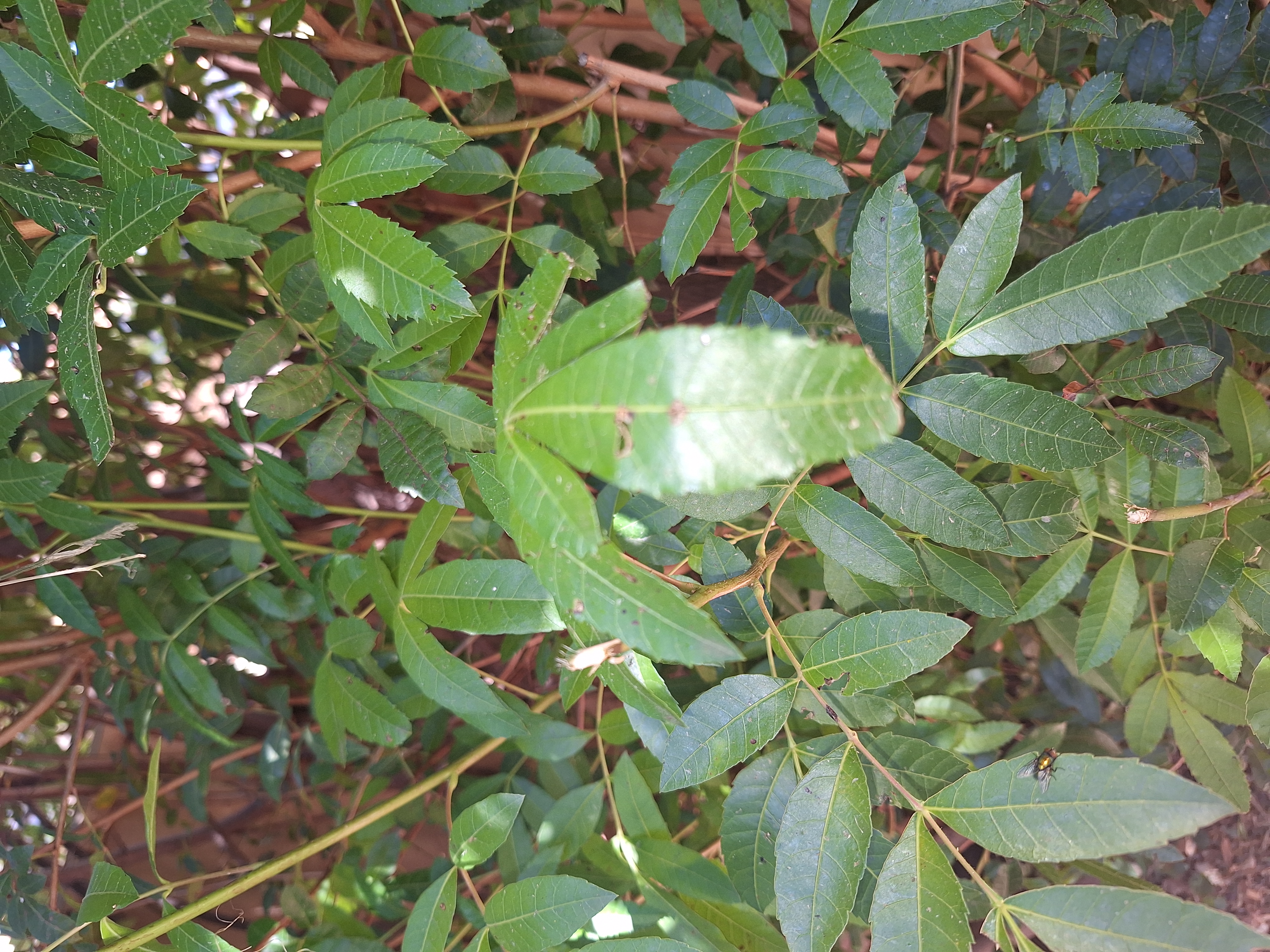
설명
The plant in the photo most closely resembles Nandina domestica, commonly known as heavenly bamboo. It is a versatile evergreen shrub or semi evergreen with arching, cane like stems and finely divided leaves that give it a delicate, lacy appearance reminiscent of bamboo, hence the common name. Each leaf is a compound structure with a central rachis bearing numerous glossy leaflets. The leaflets are oval to lance shaped, about one to two inches long, with a smooth to finely serrated margin. New growth often appears reddish or bronzy, especially in cooler weather, which adds seasonal color. In winter many varieties bear bright red berries that persist through the cold months and provide additional interest for wildlife and decorative use. While it looks bamboo like, nandina is not a true bamboo; it is a evergreen shrub that can form a dense screen or arching clump depending on cultivar and pruning. The plant is widely used in landscapes for year round texture, color, and its adaptability to a broad range of soil and light conditions. It is relatively disease tolerant and can be grown as a hedge, a foundation plant, or an accent specimen, making it a popular choice in warm to subtropical gardens as well as temperate settings. It is important to note that nandina is toxic if ingested by humans or pets, so placement away from curious children and animals is advised. Also, in some regions it can become invasive if it self sows or escapes into the wild, so consider local guidance and choose cultivars that fit your area."} # Note: The actual content ends here; the trailing newline/paragraph is part of the JSON value for the "description" field and does not introduce additional data. If you'd like, I can adjust the length or depth of care guidance to better match a specific climate or planting scenario. The core care points are summarized below for quick reference: - Light: Tolerates full sun to partial shade; in very hot climates, some shade or morning sun with afternoon shade improves color and reduces scorch. - Soil: Well drained, fertile soil is best; tolerates a range of soil types but dislikes constantly soggy conditions; mulch to retain moisture and moderate temperatures around roots. - Water: Regular watering while establishing; once rooted, moderately drought tolerant but benefits from occasional deep irrigation during dry periods. - Fertilizer: Apply a balanced, slow release fertilizer in spring and lightly amend annually; avoid over feeding which can promote leggy growth. - Pruning: Prune after flowering or in early spring to maintain shape, remove dead wood, and control size; avoid heavy pruning late in the season to minimize stress. - Temperature and hardiness: Generally hardy to USDA zones 6–9; can survive in neighboring zones with protection but frost can damage new growth on some cultivars. - Pests and diseases: Usually tolerant but can be affected by scale, aphids, and leaf spots; ensure good airflow and avoid overhead watering to reduce disease risk. - Propagation: Commonly propagated by semi hardwood cuttings in late summer or early autumn, or by layering; division is possible for larger established plants. - Uses and considerations: Excellent for hedges, screens, or informal borders; year round foliage with reddish new growth; bright red berries in winter add winter interest; berries can attract birds but are mildly toxic if ingested in quantity; consideration of local invasiveness is advised where nandina is known to escape cultivation.
식별 시간
2025년 11월 30일
안내
식집사의 기능은 AI를 사용하고 있어 부정확 할 수 있습니다. 단순 재미와 참고용으로만 사용해주세요.
식물 결과에서 바로 할 수 있는 일
이름을 확인한 뒤 공식 식물 DB에서 관리 정보를 바로 확인하세요.