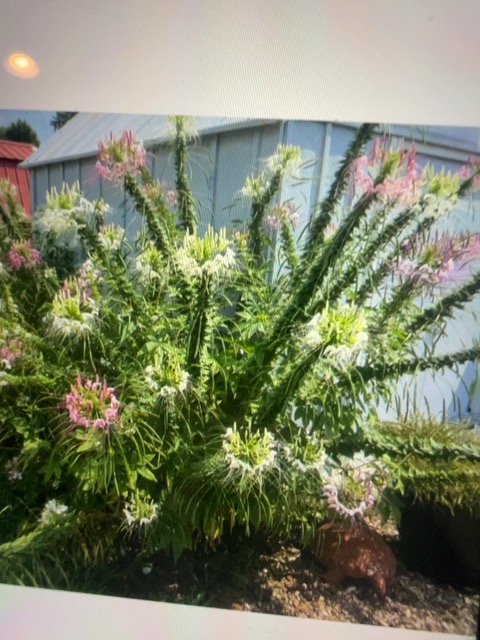
Unknown ornamental shrub with bottlebrush-like flower spikes
설명
From the photo, the plant appears to be a large, evergreen shrub or perennial with multiple upright, branching stems emerging from a dense base. The most striking feature is the numerous bottlebrush- or spike-like flower inflorescences that rise above the foliage. The spikes are greenish at first and display pale pink to white coloring in the blooms, giving the plant a soft, airy appearance. The leaves seem to be narrow, stiff, and sword-shaped, arranged along the stems in a way that adds to the plant’s architectural, almost sculptural look. Overall, the plant resembles drought-tolerant ornamentals commonly used in warm climates, often grouped with protea, leucospermum, or Callistemon (bottlebrush) types, though precise species identification from a single photo is challenging. Given this, I’ll describe the plant’s general characteristics and care in a way that applies to similar bottlebrush-like shrubs and related drought-tolerant ornamentals. Key characteristics you’re likely to observe: - Growth habit: A clumping, multi-branched shrub or herbaceous perennial, reaching a foot to several feet in height and width, depending on cultivar and climate. The plant forms a rounded to star-shaped silhouette with its flower spikes radiating upward and outward. - Foliage: Narrow, sturdy leaves that may be evergreen in milder climates. Leaf texture can range from smooth to slightly stiff, contributing to an architectural, almost spiky look. Leaves are typically arranged along the stems in alternating or opposite patterns depending on the species. - Inflorescences: Long, vertical or arching spikes densely packed with small flowers. The color palette in the photo reads as pale greens to whites with hints of pink, suggesting a bloom phase where bracts or petals display soft pastel tones. Inflorescences appear to form along the length of the flowering stems, creating a dramatic display that persists for weeks in favorable conditions. - Overall impression: A hardy, sun-loving plant with striking vertical form and a decorative bloom display that can serve as a focal point in a garden or as an accent plant in xeriscapes and Mediterranean-style landscapes. Where this plant fits in a landscape: It’s well-suited to sunny, dry to moderately moist sites with well-draining soil. It can tolerate heat and drought once established and often thrives in rock gardens, mixed borders, or drought-tolerant landscapes. Because of its bold form, it pairs nicely with gray-green foliage plants, architectural succulents, or flowering perennials that bloom at different times to extend garden interest. In temperate climates, some specimens may lose leaves or slow growth in cold winters, but many forms rebound strongly in spring with new growth and blooms. Care and cultivation: a practical guide - Light: Most plants with this growth habit perform best in full sun. Aim for at least 6 hours of direct sunlight per day. Extra sun generally promotes robust flowering and strong, compact habit. In very hot climates, some afternoon shade can help prevent leaf scorch, but full sun remains ideal for long bloom life. - Soil and drainage: Use a gritty, well-draining soil mix. The plant dislikes “wet feet,” so ensure the site drains well, especially after rains. If the native soil is heavy clay, amend with compost and sand or build a raised bed to improve drainage. A slightly acidic to neutral pH is common for many ornamentals in this category, but most tolerate a range from slightly acidic to mildly alkaline soils. - Watering: Establishment requires regular watering until roots take hold. After that, allow the soil to dry between waterings. In hot, dry summers, deep, infrequent watering is better than frequent shallow watering. This approach encourages deep rooting and drought resilience. During winter, reduce irrigation further if the plant is dormant. - Fertilization: Feed sparingly. A balanced, slow-release fertilizer in spring can support growth and bloom, but avoid high-nitrogen formulations that promote tender growth susceptible to heat or drought stress. A light top-dressing of compost can improve soil structure and micronutrient availability. - Pruning and shaping: Pruning needs vary by species, but general guidelines apply to many bottlebrush-like shrubs. Remove dead or damaged wood as needed. If the plant flowers on current-year wood, prune right after flowering to encourage a compact shape and to prevent woody, unproductive growth. For architectural impact, selectively prune some stems to emphasize the plant’s vertical lines, while leaving others to carry blooms and add texture. - Temperature and frost: Many of these plants are tropical to subtropical in origin and appreciate warm temperatures. They can be quite frost-sensitive, especially young plants. In areas with freezing winters, plant in a protected location or containerize so you can move the plant indoors during cold snaps. Mulching around the base helps moderate root temperatures. In borderline zones, select hardy cultivars or provide winter protection to extend life. - Pest and disease management: Common issues can include sap-sucking insects (such as aphids or scale) and fungal leaf spots in humid conditions. Good air circulation, proper spacing, and regular monitoring help prevent problems. If pests appear, use horticultural oils or insecticidal soaps, and address any cultural stressors (overwatering, poor drainage) that may predispose the plant to trouble. - Propagation: Many of these plants propagate well from semi-hardwood cuttings taken in late spring or early summer, or from tip cuttings in drier conditions. For some species, layering can also be a successful method. Ensure rooting medium drains well and provide steady warmth and humidity during the rooting period. - Container culture: When grown in pots, choose a high-quality, well-draining potting mix and ensure the container has drainage holes. Because pots dry out more quickly, you may need to water more frequently in hot seasons. Use a larger pot to accommodate growth and prevent root crowding. Feeding every 6–8 weeks with a balanced fertilizer during the growing season can support robust blooms. - Longevity and landscape role: Depending on the species and climate, these plants can be long-lived landscape elements. In cold winters, some may die back to the roots and regrow from the base in spring, while others may require removal of dead above-ground growth. Regular pruning helps maintain a tidy appearance and encourages more prolific flowering in subsequent seasons. Tips for maximizing bloom and health - Position matters: Plant where it can receive full sun for the majority of the day. Evening shade in very hot climates can reduce stress, but avoid overly shady spots where flowering diminishes. - Soil prep: Before planting, improve the planting bed with organic matter and a sand- or grit-rich mix to boost drainage. A mulch layer around the base helps conserve soil moisture and regulate temperature but keep mulch a few inches away from the stems to prevent rot. - Water discipline: After establishment, aim for deep, infrequent watering rather than frequent light soaking. This approach fosters deeper roots and less shallow root development, which improves drought tolerance. - Seasonal care: If frost is possible in your area, monitor weather forecasts and shield young plants during cold snaps. For container-grown versions, bring them indoors or to a protected location during freezing weather. - Observing bloom cycles: If you notice reduced blooming, assess sun exposure, soil moisture, and fertility. Sometimes a light pruning after flowering can stimulate a new flush of blooms for the next season. If you’re trying to identify the exact species from the image, consider these distinguishing checks: - Are the inflorescences cylindrical and densely packed along the length of the stems, or more terminal and brush-like at the tips? This can help separate bottlebrush-type plants (Callistemon) from other spike-flowering species. - Do the leaves have a distinct leathery texture and a glaucous or gray-green tint, which is common in many Proteaceae and related drought-tolerant groups, or are they softer and more pliant? Leaf texture and color provide important clues. - How cold-tolerant is your climate? If your region experiences frost, some species are only reliably evergreen in milder zones, while others may die back and re-sprout in spring. In summary, the plant in the image is an attractive, upright, drought-tolerant shrub with many vertical or outward-facing flower spikes that carry pale pink to white blooms. It’s well-suited to sunny, well-drained sites and can provide dramatic year-round structure in the garden. While precise species identification from a single photo is challenging, the care guidelines outlined above will apply to many similar bottlebrush-like shrubs and related drought-tolerant ornamentals, helping you maintain a healthy, vibrant plant with impressive floral displays.
식별 시간
2025년 8월 25일
안내
식집사의 기능은 AI를 사용하고 있어 부정확 할 수 있습니다. 단순 재미와 참고용으로만 사용해주세요.
식물 결과에서 바로 할 수 있는 일
이름을 확인한 뒤 공식 식물 DB에서 관리 정보를 바로 확인하세요.