Loropetalum chinense (Chinese fringe flower)
설명
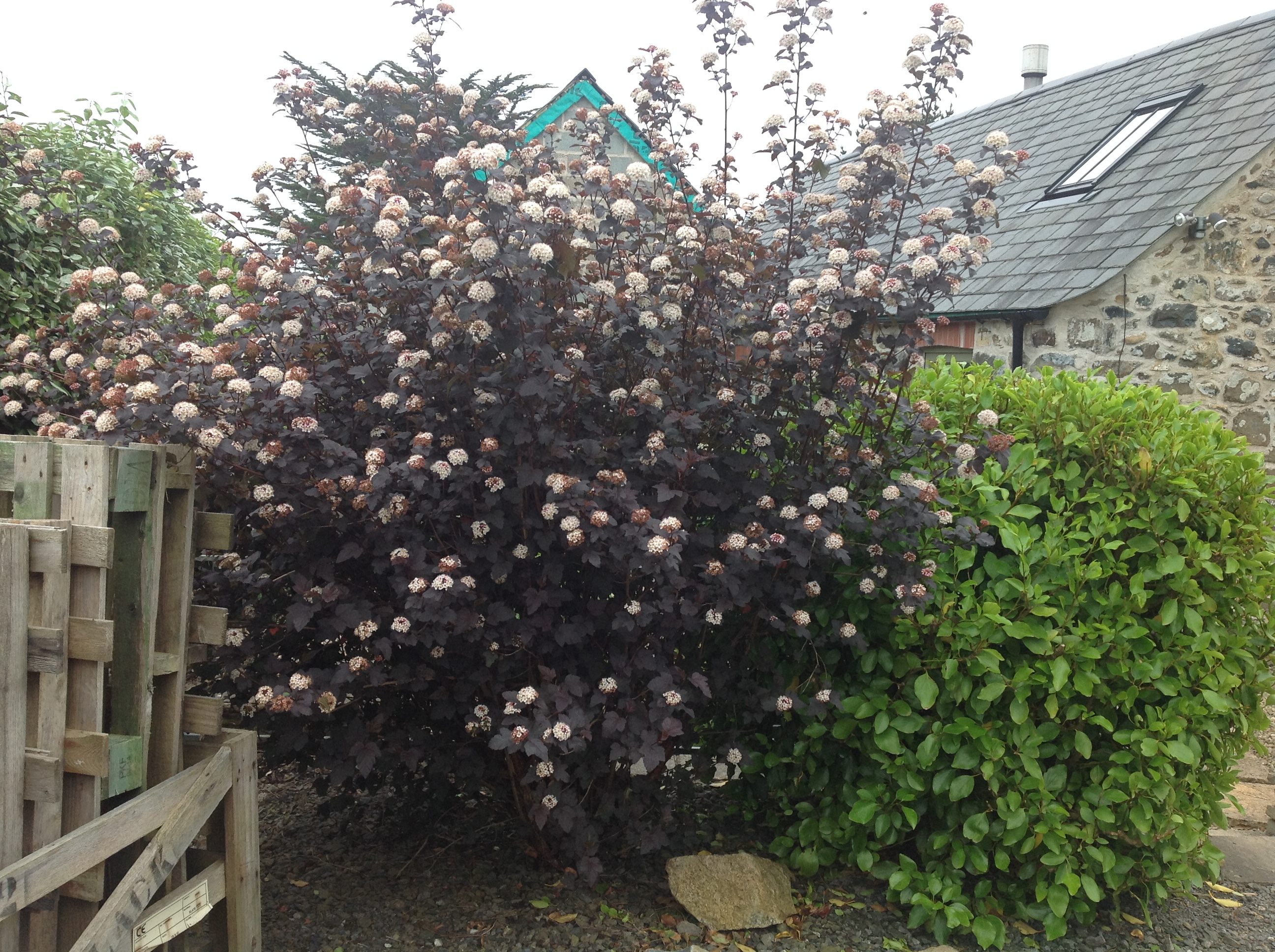
The shrub shown in the photo is a Loropetalum chinense, commonly known as Chinese fringe flower. It is a compact, evergreen shrub prized for its dark burgundy to almost black foliage and for its eye catching spring blooms. The flowers are not a single bloom but a cluster of slender ribbon like petals that give the appearance of a fluffy or fringe like ball along the stems. In most burgundy leaf forms the flowers appear pink to white, depending on the cultivar, and they brighten the plant dramatically against the dark foliage. The overall effect is a strong contrast that remains attractive year round in mild to warm climates, making this plant a popular choice for foundation plantings, borders, or as a specimen or hedge in temperate gardens. Identification and visual traits - Foliage: The leaves are small, oval to narrowly oblong, and persist year round as evergreen foliage. In many garden forms the leaves are deep burgundy, plum, or nearly black, with a glossy surface. New growth can look slightly lighter but still rich in color. - Growth habit: Loropetalum tends to grow as a multi stemmed shrub with a rounded to upright habit. It can spread to about 3 to 8 feet (0.9 to 2.4 meters) tall and wide depending on cultivar and pruning, with arching branches that create a soft, domed silhouette. - Flowers: Each flower has four slender ribbon like petals, and they appear in dense clusters along the stems. When numerous, the clusters produce a fuzzy, pom pom like effect. The color of the bloom ranges from pale pink to white in many cultivars; on darker leaf forms the contrast is most striking. - Seasonal timing: Blooms typically appear in late winter to spring and may repeat lightly if conditions are favorable. The flowering period is often one of the plant's main ornamental highlights. Key distinguishing features versus lookalikes - The combination of dark purple to nearly black foliage with conspicuous fringe like blossoms is characteristic of Loropetalum, especially the burgundy leaf types sold for ornamental use. Other shrubs with purple leaves may show different flower forms or larger, less dense bloom clusters. If you see plenty of slender papery petals arranged in dense clusters along slender stems, Loropetalum is a strong match. Cultural requirements and care - Light: Loropetalum grows best in full sun to light shade. In hot climates it benefits from some afternoon shade to prevent excessive leaf scorching and to maintain color intensity. More sun generally enhances flower production. - Soil: It prefers acidic to slightly acidic, well drained soil. It does not tolerate compacted, waterlogged, or alkaline soils well. If your soil is alkaline, consider amending with elemental sulfur or using acidifying mulch and planting in raised beds or containers. - Watering: Regular watering is important during establishment. Once established, loropetalum appreciates evenly moist soil but dislikes standing water. Allow the top layer of soil to dry slightly between waterings but avoid letting the roots completely dry out for long periods. - Fertilizer: Feed in spring after flowering with a balanced, slow release fertilizer formulated for acid loving plants. Avoid heavy nitrogen which can promote excessive leaf growth at the expense of bloom or weaken the plant in cold winters. A light application in early summer can support continued growth but follow product guidelines. - Mulch: A layer of organic mulch (2 to 3 inches) helps preserve soil moisture, regulate temperature, and protect shallow roots. Keep mulch a little away from the trunk to prevent rot. - Pruning and shaping: Pruning is typically done after flowering. Pinching back new growth can help maintain a dense, compact shape. If pruning severely, remember that flower buds form on the previous season's wood, so aggressive pruning can reduce next spring blooms. For hedges or borders, light annual pruning or selective removal of older wood keeps the plant looking tidy and productive. - Temperature and hardiness: Loropetalum is hardy to about USDA zones 7 to 9 depending on cultivar. In cooler climates, protection from harsh winter winds and frost is beneficial, and some very cold winters can cause leaf drop or dieback. In marginal zones, growing in a sheltered location or in a container that can be moved to a protected spot can extend its performance. In very warm or tropical regions it remains evergreen and can tolerate heat well if soil moisture is adequate. - Pests and diseases: Common issues include scale insects and aphids. Powdery mildew can occur in humid springs or summers on crowded plants with poor air circulation. Root rot becomes a concern if the planting site is poorly drained. Regular inspection and proper spacing, good air circulation, and systemic or contact insecticides as needed can help manage pests. Avoid overwatering, which increases disease pressure. Propagation and garden use - Propagation: Loropetalum is routinely propagated from semi hardwood cuttings taken in late summer to early autumn, with rooting hormone to improve success. Layering is another reliable method for some cultivars. - Landscape uses: This plant shines as a focal specimen, a striking hedge, or a foundation shrub. It pairs well with green or variegated shrubs, white flowering plants, and dark furniture or masonry for high contrast. In mixed borders it acts as a consistent evergreen backbone while the spring blooms provide seasonal color. In containers, dwarf cultivars such as purple leaf selections can be grown alone or with complementary textures like grasses or euryops in a sunny corner. Seasonal care summary - Spring: Expect blooming; this is the primary ornamental feature. Remove any dead wood and perform light shaping after flowering to encourage dense growth. - Summer: Ensure consistent moisture during hot periods, monitor for pests, and apply mulch to protect roots. A light feeding can support new growth. - Autumn: In cooler climates, protect from early frosts by locating the plant away from prevailing cold winds or by placing it in a slightly sheltered position. Prune lightly if needed after flowering to maintain shape. - Winter: In milder regions the plant remains evergreen and attractive. In zones near the edge of hardiness, provide wind protection and avoid celebrating injury from frost; mulching helps. Should you grow it? A quick checklist - Do you want year round color? Yes, the burgundy foliage provides year round interest with seasonal pink to white fringe flowers in spring. - Is your soil acidic and well drained? Loropetalum performs best in acidic soils with good drainage and will struggle in alkaline, heavy clay, or waterlogged soil. - Do you have sun or light shade? Full sun to light shade is ideal for best flowering and color retention. - Are you prepared to prune after flowering? Yes, post bloom pruning helps maintain shape and encourages even display of next year's growth and flowers. Overall takeaway Loropetalum chinense is a versatile, visually striking evergreen shrub that stands out in mixed borders and as a specimen plant. Its very dark foliage set off by delicate fringe like blossoms creates a dramatic contrast that can anchor a planting palette for years. While it prefers attention to soil acidity and drainage, with mindful placement and routine care it thrives for many seasons and can be a reliable focal point in temperate gardens. The plant in the provided image likely represents a burgundy leaf loropetalum with pale pink to white flowers, a classic combination that draws attention in any garden or landscape design.
식별 시간
2025년 8월 10일
안내
식집사의 기능은 AI를 사용하고 있어 부정확 할 수 있습니다. 단순 재미와 참고용으로만 사용해주세요.
식물 결과에서 바로 할 수 있는 일
이름을 확인한 뒤 공식 식물 DB에서 관리 정보를 바로 확인하세요.