Spearmint (Mentha spicata)
설명
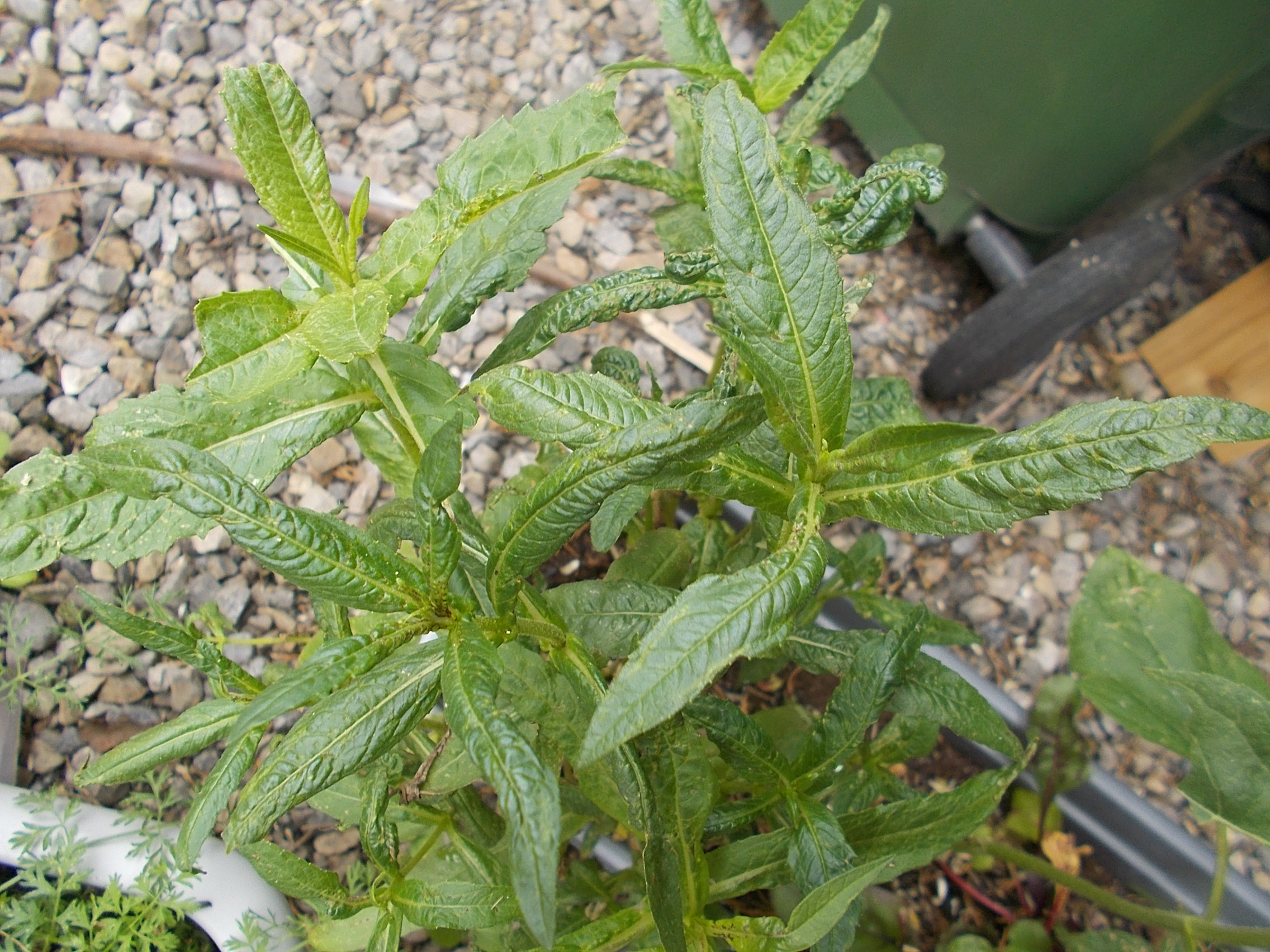
This plant is most likely spearmint (Mentha spicata), a common perennial herb in the mint family. The pictured foliage features narrow, lance‑shaped leaves with finely toothed (serrated) margins, arranged oppositely along square stems. The leaves are a bright to mid‑green color and have a textured, slightly wrinkled surface that becomes aromatic when crushed. Although many mints look similar at a glance, spearmint is typically distinguished by its elongated leaves, lighter aroma, and vigorous, spreading growth habit. The plant in the photo appears compact but shows signs of the lateral branching and dense foliage that mint cultivars commonly exhibit. Mint is known for its refreshing scent and flavor, which varies slightly by cultivar but is generally cool, green, and invigorating. If you crush a leaf and detect a clean, cool minty aroma with hints of sweetness and camphor, you’re likely dealing with spearmint or a close relative in the Mentha genus. Care and growing information: Light and placement: - Spearmint thrives in bright light and can tolerate some shade, but full sun (at least 4–6 hours of direct sun per day) tends to produce the most vigorous growth and the best flavor. In very hot climates, some afternoon shade helps prevent leaf scorching and keeps the plant productive into late summer. - Because mint is aggressive, many gardeners grow it in containers or in beds with barriers to limit spread. If grown in the ground, consider root barriers at least 12–18 inches deep to slow its natural tendency to spread by runners. Soil and planting: - Mint prefers rich, well‑draining soil with a slightly acidic to neutral pH (roughly 6.0–7.0). It appreciates organic matter such as compost that improves moisture retention and nutrient availability. - Prepare the site by incorporating compost or a balanced slow‑release fertilizer into the top layer of soil. Plant at the same depth as nursery conditions, spacing plants about 12–18 inches apart to reduce crowding while still allowing air movement. Watering and humidity: - Mint loves consistently moist soil but not waterlogged conditions. Regular watering that keeps the soil evenly damp is ideal, especially during hot, dry spells. In container growing, check daily in hot weather and water as needed. - Mulching around the base helps conserve moisture and can suppress weeds. A light top‑dressing of organic mulch (straw, bark, or compost) also moderates soil temperature and moisture loss. Temperature and climate: - Mentha spicata tolerates a wide range of temperatures but performs best in cool to moderate climates. It is relatively hardy and can survive light frosts in many areas. Extreme heat can reduce essential oil concentration and leaf flavor, so some growers provide shade or additional water during peak heat. Fertilization: - Mint is not a heavy feeder. A light application of balanced fertilizer in spring or a monthly feeding with a dilute, water‑soluble fertilizer during the growing season keeps the plant productive. Avoid over‑fertilizing, which can lead to lush foliage with reduced aroma and flavor and can encourage disease susceptibility. Pruning, training, and maintenance: - Regular pruning or pinching helps keep the plant bushy and prevents it from becoming leggy. Pinch tips when they reach a few inches in height to promote branching and a fuller plant. - If growth becomes exceptionally dense, it can be pruned back hard to rejuvenate the plant. This is also a good tactic after flowering to encourage fresh, flavorful growth. - Since mint dislikes being crowded, remove spent flowers to redirect energy into leaf production and to delay seed set, which can shift the plant’s focus away from leaves. Propagation: - Spearmint readily propagates by division or stem cuttings. In spring or early summer, gently lift a clump and divide it into several pieces, each with several shoots and roots. Replant each division at the same depth as the parent plant. - Cuttings taken from healthy shoots and rooted in moist potting mix or water also establish quickly. Place cuttings in bright indirect light until roots form. Container culture specifics: - Growing spearmint in a container is an excellent way to control its spread. Use a wide, shallow to medium‑depth pot with drainage holes and a good potting mix that contains organic matter. - Ensure the container is large enough to accommodate rapid root growth; a typical 12–16 inch pot is a comfortable starting point. In very warm climates, consider a shaded location or a breathable pot to prevent overheating. - Periodically refresh the potting mix or repot to prevent nutrient depletion and to maintain vigorous growth. Harvesting: - Leaves can be harvested once the plant is well established, usually a few weeks after new growth appears. For the best flavor, harvest in the morning after any dew has dried. - Pinch or cut whole stems just above a leaf node to promote branching. Frequent harvesting helps keep the plant compact and productive. - If you let the plant flower, leaf flavor and aroma can become milder as energy shifts to seed production. For culinary use, harvest before flowering for the strongest aroma and taste. Pests and diseases: - Mint is generally pest‑resistant but can attract aphids, spider mites, and sometimes whiteflies, especially in dry indoor conditions or under hot sun. Monitor the undersides of leaves and use insecticidal soap or neem oil if populations rise. - Powdery mildew and rust can appear in crowded or poorly ventilated conditions. Improve air circulation by spacing plants properly, pruning to open the canopy, and avoiding overhead watering. If mildew is persistent, remove infected leaves and apply a fungicidal spray labeled for edible herbs. - Slugs and snails may sample mint in damp outdoor environments. Hand‑picking or slug treatments that are safe for edible herbs can help. Common issues and troubleshooting: - Leggy growth: occurs with insufficient light or overcrowding. Increase light exposure and pinch back to encourage bushier growth. - Slow or pale growth: check for underwatering or nutrient deficiencies. A light feeding in spring can help, but avoid heavy fertilization. - Flavor loss in heat: hot weather can reduce essential oil concentration. Keep plants cooler with partial shade and consistent moisture during peak heat. Culinary and practical uses: - Mint leaves are widely used in beverages (mint tea, mojitos), salads, sauces (mint chutney, minted yogurt), lamb and poultry marinades, desserts, and as a fragrant garnish. Spearmint offers a milder, sweeter, and more peppery aroma than peppermint, which is often preferred for culinary applications. - Beyond the kitchen, mint can be used to create a pleasant scent in the home or garden along with ornamental value due to its vigorous, vibrant foliage. Dried mint leaves retain aroma and are a staple in many culinary traditions. - Medicinally, mint has historically been used to support digestion, relieve minor stomach upset, and provide mild antispasmodic effects. However, these uses should be approached with caution, and individuals should consult healthcare providers about interactions with medications or conditions. Mint essential oil is potent and should be diluted properly if used topically. Varieties and cultivar notes: - While this description centers on spearmint (Mentha spicata), many cultivars exist with slightly different leaf shapes or aromas. Some common garden variants include curly‑leaf mint (Mentha crispa) with more textured leaves and peculiarly curled margins, and peppermint (Mentha × piperita), which often has a stronger menthol aroma. If your leaves have especially slender, long shapes and a bright, cool scent, spearmint remains the most likely match. Ecological and practical considerations: - Mint is a robust, fast‑growing perennial that can become invasive if not managed. It forms dense colonies through runners and will happily colonize new areas if not contained. This makes it ideal for ground cover in small sections but requires control methods in larger beds. - In container settings, mint is an excellent candidate for balcony or patio gardens, offering culinary rewards with minimal soil disturbance. It can also serve as a companion plant to deter certain pests due to its strong scent, though its vigorous growth means it can overwhelm neighboring plants if not kept in check. In summary: - The plant in the image is most plausibly spearmint, a versatile and popular culinary herb. It features slender, serrated leaves arranged in opposite pairs on square stems, and it releases a refreshing mint aroma when leaves are crushed. With proper care—ample light, moist, well‑draining soil, regular harvesting, and containment to prevent spread—spearmint will thrive for many seasons. It rewards careful pruning and routine harvesting with abundant foliage, a reliable supply of fresh leaves for cooking or beverages, and the potential for propagation through simple division or cuttings. Whether grown in the ground or in a container, spearmint is a resilient, useful addition to an herb garden, offering immediate rewards and long‑term productivity if managed thoughtfully.
식별 시간
2025년 8월 24일
안내
식집사의 기능은 AI를 사용하고 있어 부정확 할 수 있습니다. 단순 재미와 참고용으로만 사용해주세요.
식물 결과에서 바로 할 수 있는 일
이름을 확인한 뒤 공식 식물 DB에서 관리 정보를 바로 확인하세요.