Peperomia obtusifolia (baby rubber plant)
설명
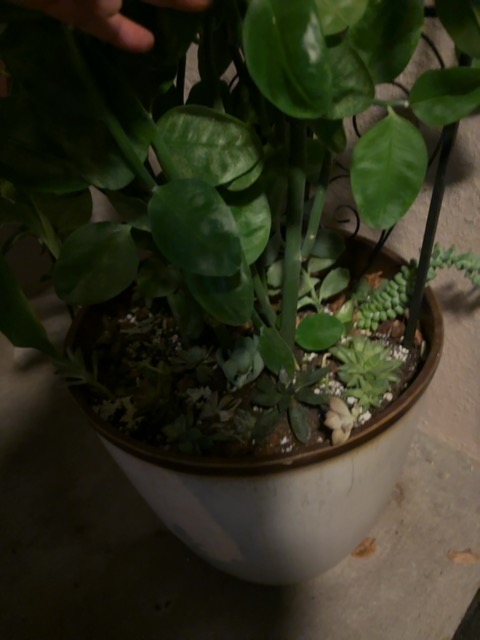
The plant in the photo resembles a Peperomia obtusifolia, commonly called the baby rubber plant. This is a compact, evergreen succulent-style houseplant in the pepper family (Piperaceae). In your image you can see several upright, succulent stems bearing thick, glossy, oval leaves that are rounded to blunt at the tip. Leaves are typically 2 to 4 centimeters long, a rich, vibrant green, with a waxy texture that catches the light. The overall effect is a dense tuft of foliage that stays relatively small and tidy, making it a popular choice for desks, shelves, or small corners. The plant you photographed is often grown as a tabletop specimen, but with ample space and proper pruning it can form a nice shrub-like clump. The base also features small succulents arranged around the soil surface, which is common in mixed succulent presentations. While the exact cultivar in the pot may vary, the main plant’s defining characteristics—thick, fleshy leaves; upright, branching stems; and a compact habit—point toward Peperomia obtusifolia, a member of the many peperomias prized for their low-maintenance nature and appealing, glossy foliage. Origin and natural history Peperomia obtusifolia is native to tropical regions of Central and South America. In its natural habitat it grows as a small shrub or epiphytic plant in understories, where shade and humidity are relatively stable. As a houseplant, it has adapted well to indoor conditions, where it tolerates a range of light levels—from bright indirect to moderate low light—though bright indirect light supports stronger growth and more vibrant leaf coloration. Its slow to moderate growth makes it forgiving for beginners, while still offering enough reward for more experienced plant lovers who enjoy a compact, evergreen focal plant. How it grows and how tall it gets Under good conditions, Peperomia obtusifolia forms bushy clumps up to about 12–18 inches tall (30–45 cm) and wide, though many indoor specimens stay much smaller depending on pot size, pruning, and light. The stems are sturdy and can become somewhat cane-like as the plant ages. The leaves arise along the stems in pairs or clusters, depending on cultivar and pruning, giving the plant a full, fleshy appearance. It does not vine aggressively like some trailing houseplants, though it can be allowed to trail slightly from a higher pot or trained with support if desired. Care essentials in practical terms Light: This plant prefers bright, indirect light but tolerates a range of conditions. In strong, direct sun, the leaves can develop sunburn or fade; in very low light, growth slows and the plant may become leggy. A spot near a bright window with filtered sun or several feet from a sunny window typically yields the best balance between color and compactness. Water: Like many peperomias, obtusifolia follows a soak-and-dry cycle. Water thoroughly when the top 1 inch (2–3 cm) of soil has dried out, then allow excess water to drain freely. Empty the saucer to avoid water pooling around roots. In winter, reduce watering further because the plant’s water needs drop with cooler temperatures and slower growth. Avoid letting the soil stay soggy, which can lead to root rot. Soil and potting mix: Use a well-draining mix to replicate its semi-succulent nature. A good option is a standard cactus/succulent mix or a peat-based potting mix amended with perlite or pumice for drainage. A typical recipe is 2 parts regular potting soil, 1 part perlite, and 1 part orchid bark or coarse sand. Ensure the pot has drainage holes. A light, airy mix helps prevent soil compaction and root rot while supporting healthy root development. Temperature and humidity: Peperomia obtusifolia enjoys normal household temperatures, ideally around 65–75°F (18–24°C). It can tolerate short pulses outside this range but should be protected from cold drafts and freezing temperatures. Moderate humidity is fine; it adapts well to typical home environments without the need for extra humidity, though slightly higher humidity is beneficial for lush growth. Fertilization: Feed lightly during the growing season (spring and summer). Use a balanced, water-soluble fertilizer at about 1/4 strength every 4–6 weeks. Do not over-fertilize, as salt buildup can damage the roots and leaf tips. Repotting and soil refresh: Peperomias grow slowly and prefer to be slightly root-bound. Repot only when the plant has genuinely outgrown its pot or the soil has degraded and compacted. When you do repot, choose a container only one size larger and refresh the topsoil with fresh mix. Pruning and shaping: If the plant becomes leggy, pinch back the growing tips to encourage branching and a fuller shape. Regular trimming also helps maintain a compact, attractive form and can stimulate a bushier appearance. Remove any yellowing or damaged leaves to keep the plant healthy and tidy. Propagation options Peperomia obtusifolia propagates easily from stem cuttings. Take a section of healthy stem with a few leaves, let the cut end callus for a day or two, then place the cutting in a well-draining potting mix. Keep the medium lightly moist (not soggy) until roots form. Leaf cuttings can also root in some cases, but stem cuttings tend to be more reliable for peperomias. It’s a straightforward way to create new plants and to expand your collection or share with friends. Pests and problems you might encounter Common issues include mealybugs, scale, and spider mites, especially if the plant is kept in crowded or dusty conditions. Regularly inspect the undersides of leaves and stem joints. If pests are spotted, treat with a gentle insecticidal soap or wipe leaves with alcohol-dampened swabs to remove pests, and repeat as needed. Ensure good air circulation around the plant and avoid overhead watering that leaves moisture on the leaves, which can contribute to fungal problems. Root problems are often due to overwatering or poor drainage. If you notice yellowing leaves, soft mushy stems, or a stale, sour smell from the soil, inspect the roots. Remove the plant from its pot, trim away any rotten roots with clean scissors, and repot in fresh, well-draining mix. Allow the soil to dry out a bit before resuming a regular watering schedule. Toxicity and safety notes Peperomia obtusifolia is generally regarded as non-toxic to pets such as cats and dogs, and it is not considered a dangerous plant for humans. Nevertheless, ingestion of any plant material can cause digestive upset, so it’s wise to keep it out of reach of very curious children or pets who chew on plants. Why this plant is appealing for indoor spaces Its compact size and forgiving care make Peperomia obtusifolia ideal for beginners and for people who want a reliable, low-maintenance garnish to their living spaces. The thick, glossy leaves reflect light nicely and add a lush, tropical feel without demanding heavy care. The plant tolerates a range of light conditions and is relatively resilient to occasional neglect, which makes it a good “set-and-forget” option for offices, kitchens, or living rooms. When pruned and styled, it can serve as a neat focal point, a border plant on shelves, or even a small ornamental shrub in a decorative container. Creative planting ideas and pairing with other plants Because it tolerates drier soil and lower humidity comparatively well, Peperomia obtusifolia can be paired with other low-water plants such as small succulents, air plants, or incluso ferns in well-draining pots. In mixed arrangements like the one in your photo, placing peperomia with cooperative companions that share similar water and light needs can create a cohesive, low-maintenance display. If you want a cascading look, you can let a taller specimen trail from a high shelf while a compact cultivar sits at the base or in a companion pot. Summary tips for successful care - Place in bright, indirect light; avoid harsh, direct midday sun. - Water thoroughly when the top 1 inch of soil is dry; do not let the plant sit in standing water. - Use a well-draining, airy potting mix; ensure the pot has drainage holes. - Maintain typical room temperatures and moderate humidity; protect from cold drafts. - Fertilize lightly during the growing season and prune to maintain shape. - Watch for pests (mealybugs, spider mites, scale) and act quickly if they appear. - Propagate via stem cuttings for easy propagation; repot when root-bound. In short, the plant you’ve shared is a classic Peperomia obtusifolia or a close peperomia relative, prized for its fleshy, rolling-green leaves and compact form. With simple care—adequate light, careful watering, and occasional pruning—it will remain a handsome, low-maintenance addition to any indoor plant collection. If you want to maximize fullness, give it a light trim to encourage branching and rotate the pot every few weeks to keep growth even. With a little attention, your baby rubber plant can stay healthy and attractive for many years, continuing to provide a touch of evergreen vitality to your space.
식별 시간
2025년 9월 22일
안내
식집사의 기능은 AI를 사용하고 있어 부정확 할 수 있습니다. 단순 재미와 참고용으로만 사용해주세요.
식물 결과에서 바로 할 수 있는 일
이름을 확인한 뒤 공식 식물 DB에서 관리 정보를 바로 확인하세요.