Rubber Plant (Ficus elastica)
설명
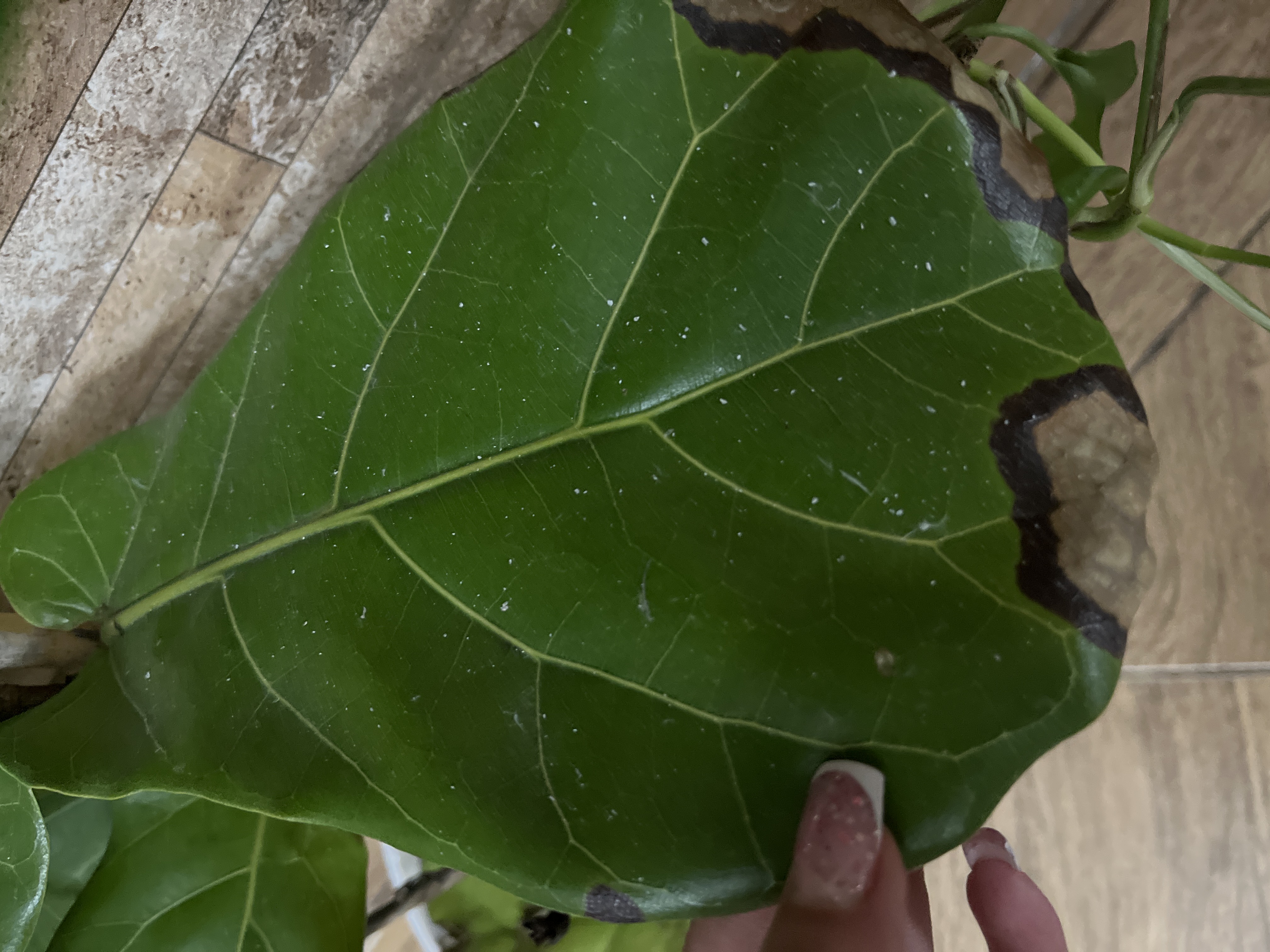
The plant in the photo resembles a rubber plant, scientifically known as Ficus elastica. This species is a sturdy, evergreen tropical plant that is widely grown as a houseplant because of its large, glossy leaves and its ability to tolerate a range of indoor conditions. Mature leaves are typically thick, leathery, and oval or oblong in shape with a pronounced, central midrib and a fine network of secondary veins that can be seen when light catches the blade. The leaf surface is waxy and dark green in many cultivars, giving the plant a striking, almost polished appearance. In some forms, new growth can be tipped with a reddish hue, and variegated cultivars exist that display cream, white, or pink markings along with green. The plant is often grown as a small indoor tree with a woody trunk, or trained on a support as a climber or topiary, though it can remain compact when pruned. It is important to note that Ficus elastica exudes a milky latex when the stem or leaves are cut. This sap can irritate the skin and eyes and should be handled with gloves and proper care, especially during pruning or propagation. The plant’s overall silhouette—glossy, substantial leaves on a relatively slender stem—makes it a dramatic focal point in modern interiors. The image shows a large, broad leaf with a smooth, intact margin and a slightly wavy or undulating edge near the tip; brown or blackened leaf margins, if present, often indicate environmental stress such as low humidity, inconsistent watering, or sun scorch rather than a disease, though a closer inspection is always prudent. Care and cultivation information: - Light: Rubber plants prefer bright, indirect light. They can tolerate medium light, but growth tends to slow and variegated forms can lose their color intensity in too-dim conditions. Direct, harsh sun can scorch the leaves, causing brown tips or patches, while very low light can lead to leggy growth with long internodes and a paler overall appearance. If you notice your plant leaning toward a window, rotate it occasionally to keep growth even on all sides. - Temperature and humidity: Maintain indoor temperatures between roughly 60–85°F (16–29°C). They dislike cold drafts and sudden temperature drops. While they tolerate average indoor humidity, higher humidity helps prevent leaf tip browning in dry environments, particularly in winter when heating systems lower ambient humidity. Occasional misting or placing the plant on a humidity tray can help, but avoid overwatering in a humid atmosphere, which can promote fungal issues. - Watering: Water thoroughly when the top inch or two of the soil feels dry to the touch. Let excess water drain freely; never leave the plant sitting in a saucer of water. Overwatering is a common problem and can lead to root rot, yellowing leaves, and leaf drop. In winter, reduce watering frequency as the plant’s growth slows. If you notice leaves turning soft or translucent, reassess moisture levels and drainage. - Soil and repotting: Use a well-draining potting mix, such as a standard Cactus/Succulent mix amended with perlite or pumice, or a high-quality peat-based mix with good drainage. A container with drainage holes is essential. Rubber plants typically benefit from being repotted every 2–3 years or when the roots outgrow the pot. Choose a pot only slightly larger than the current one to prevent soil staying too wet. - Fertilizing: Feed dynamics are active mainly in the growing season (spring through summer). Use a balanced, water-soluble fertilizer (for example, a 10-10-10 or 20-20-20 formulation) at half strength every 4–6 weeks during the growing period. Do not fertilize in winter when the plant is resting, and avoid over-fertilizing, which can lead to salt buildup on the soil and leaf burn. - Pruning and shaping: Pruning helps control size and encourages bushier growth. Cut back leggy stems to a healthy node just above a leaf pair. When pruning, wear gloves to protect against latex residue. After pruning, new growth will emerge from the cut points. If the plant becomes too tall or unwieldy, you can prune the top and reset the plant to encourage a more compact shape. If growth is sparse or leaves look dull, it may indicate low light, nutrient deficiency, or stress from recent changes. - Propagation: Ficus elastica can be propagated from stem cuttings. Take a cutting of several inches with at least two nodes and remove the lower leaves. Place the cutting in water or a moist, well-draining potting mix. Roots typically appear within a few weeks to a couple of months, depending on conditions. Rooting hormone can speed up the process. Keep cuttings in warm, bright, indirect light and maintain consistent moisture (not soggy). - Pests and diseases: Monitor for common houseplant pests such as spider mites, mealybugs, and scale. Signs include sticky residue, webbing, or visible insects on the leaf undersides. Treat infestations with insecticidal soap, neem oil, or rubbing alcohol applied with a cotton swab to affected areas. Wipe leaves with a damp cloth to remove dust and reduce pest habitat. Fungal or bacterial leaf spots can occur if leaves stay wet on a humid surface; ensure good air movement and proper watering practices to minimize risk. If the plant is stressed, it may drop leaves or become more susceptible to pests. - Toxicity and safety: The latex sap of the rubber plant is toxic if ingested and can irritate skin and mucous membranes. Keep the plant out of reach of curious pets and children as ingestion can cause abdominal discomfort and vomiting. When handling, especially during pruning, wear gloves and wash hands afterward. If sap gets on skin, rinse promptly with soap and water. - Indoor air quality and aesthetic value: While no plant is a cure-all, Ficus elastica is said to contribute to indoor air quality by filtering certain airborne compounds and providing a lush, tropical aesthetic. Its bold, glossy leaves reflect light and brighten rooms, making it a popular choice for living rooms, offices, and entryways. In variegated forms, the plant can add color and contrast to minimalist spaces, while the standard dark-green form offers a solid, elegant look. - Styling and placement tips: Position the rubber plant where it can receive bright, indirect light for several hours a day. In a corner or behind seating, it can serve as a dramatic backdrop. For smaller spaces, you can keep it in a compact pot and prune to maintain a neat silhouette. If you’d like to train it on a moss pole or trellis, be mindful of sturdier stems and the plant’s relatively slow but steady growth rate. - Troubleshooting common symptoms: Yellow leaves usually signal overwatering or poor drainage; check soil moisture and root health. Brown tips and edges commonly point to dry air, inconsistent watering, or fertilizer salt buildup; improve humidity, wipe leaves, and flush soil periodically to reduce salt buildup. Dropping leaves can occur after a move, temperature shock, or significant changes in light; ensure stable conditions and provide consistent care for several weeks to re-stabilize growth. If leaves become limp and the plant looks generally unhealthy, assess for pests, root problems, or environmental stressors and adjust care accordingly. - Summary: The rubber plant is a resilient, visually striking houseplant that rewards attentive care with long, glossy leaves and a statuesque growth habit. It tolerates a range of indoor environments but thrives with bright, indirect light, consistent watering (allowing the topsoil to dry between waterings), well-draining soil, and periodic feeding during the growing season. Proper handling to avoid latex exposure, careful pruning to shape, and proactive pest monitoring will keep the plant healthy and attractive for years. Whether kept as a tall specimen, trained on a support, or pruned into a compact form, Ficus elastica offers a timeless, sophisticated presence that complements a wide variety of interior styles.
식별 시간
2025년 12월 8일
안내
식집사의 기능은 AI를 사용하고 있어 부정확 할 수 있습니다. 단순 재미와 참고용으로만 사용해주세요.
식물 결과에서 바로 할 수 있는 일
이름을 확인한 뒤 공식 식물 DB에서 관리 정보를 바로 확인하세요.