Dwarf Japanese Barberry (Berberis thunbergii ‘Atropurpurea Nana’)
설명
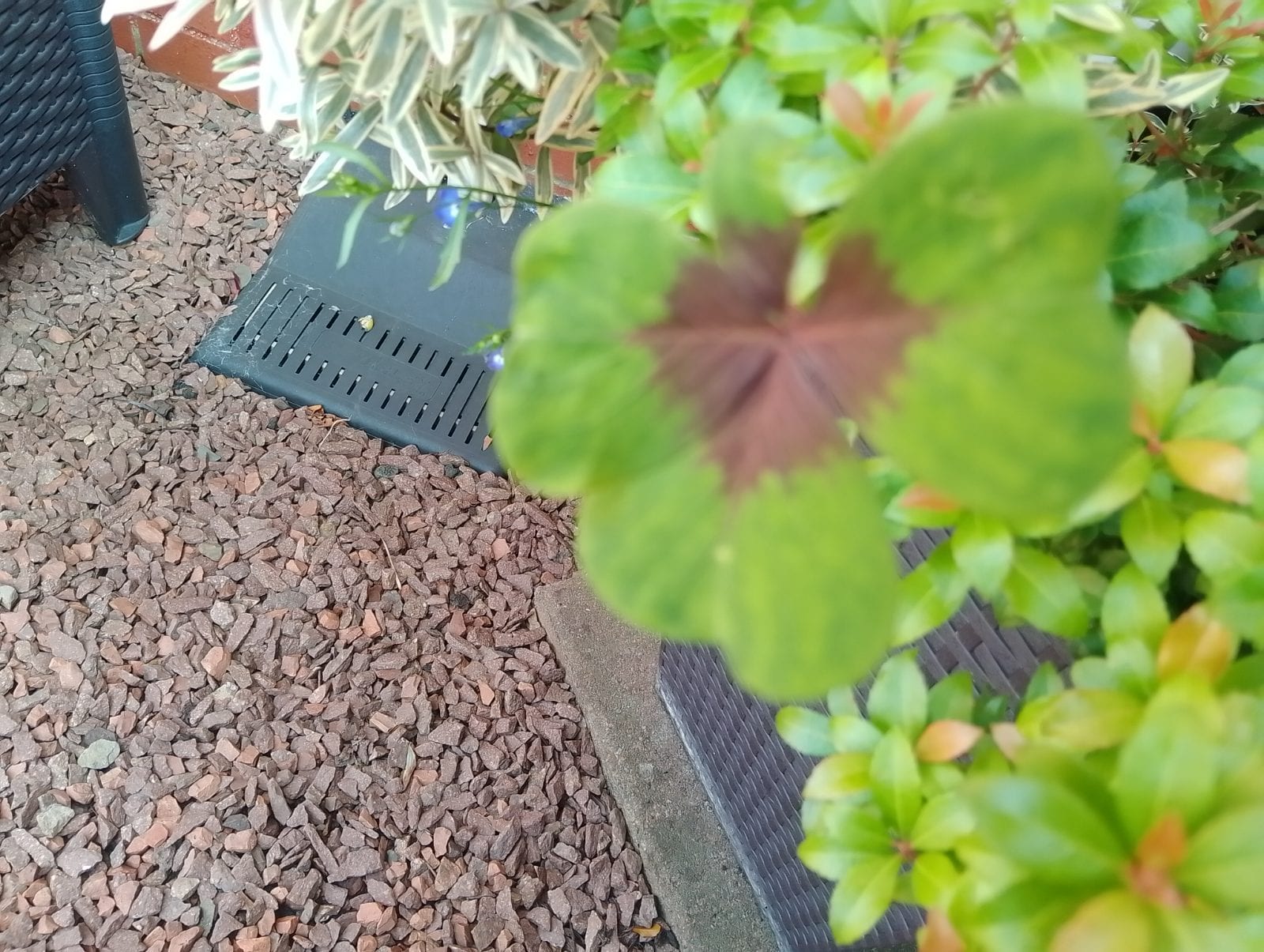
This plant appears to be a compact, deciduous barberry shrub—most likely a dwarf Japanese barberry cultivar (Berberis thunbergii, purple-leaf types such as ‘Atropurpurea Nana’ are commonly used in landscapes). Barberries are recognized by their small, tightly spaced, sometimes thorny branches; clusters of small, rounded-to-spatulate leaves; and (in older plants) the typical barberry growth habit that can form low mounds. **Overall characteristics (what you can observe):** - **Growth habit:** Low, dense, rounded mound or spreading shrub (typically 30–80 cm tall depending on cultivar). - **Leaves:** Small, oval to spoon-shaped (often described as spiny/compact foliage). Many ‘purple’ varieties keep a greenish-purple to deep burgundy tone, especially in sun. - **Seasonal behavior:** Leaves color intensify during cooler weather; the plant sheds leaves in autumn in many climates. - **Flowers & fruit (later in the year):** Barberries typically produce small yellow flowers in spring, followed by oval red berries that can persist into winter. - **Stems/thorns:** Barberry species commonly have spines along older stems. Because your photo is taken through foreground foliage and the exact leaf color and stem detail are partially obscured, the identification cannot be fully confirmed from this single image. --- ## Care guide (about 1000 words) ### 1) Light requirements Japanese barberry is highly adaptable, but **leaf color and density improve with good sun**. - **Best:** Full sun to at least 6 hours of direct light. - **Acceptable:** Light shade; plants grown in shade may become leggier and show less intense coloration. - **Heat considerations:** In very hot climates, some afternoon shade helps reduce leaf stress, though barberry is generally tough. ### 2) Watering Barberry prefers **moderately moist soil**, but once established it is relatively drought tolerant. - **First growing season:** Water regularly so the root ball doesn’t fully dry out. A common approach is deep watering 1–2 times per week depending on rainfall and heat. - **Established plants:** Water only during prolonged dry spells. - **Signs of trouble:** Wilting or dull, stressed foliage can indicate insufficient moisture; consistently soggy soil can cause root problems. ### 3) Soil preferences - **Soil type:** Works in many soil types—loam, clay-loam, and well-drained soils. - **Drainage is crucial:** Ensure the soil drains well. Barberry dislikes waterlogged conditions. - **pH:** Tolerates a range of pH from slightly acidic to neutral; purple-leaf types may show better color with neutral to slightly acidic soil. - **Amendment:** If your soil is poor or heavy clay, incorporate compost and consider raising the bed or improving drainage. ### 4) Fertilization Barberry is generally low-maintenance and does not require heavy feeding. - **Spring:** Apply a balanced, slow-release fertilizer lightly, or top-dress with compost. - **Avoid over-fertilizing:** Too much nitrogen can produce softer growth that is more susceptible to pests and may reduce compact habit. ### 5) Mulching Mulch helps conserve moisture and reduces weeds. - **Best:** 5–8 cm of mulch around the shrub (keep it slightly away from the stems). - **Type:** Bark chips, shredded leaves, or wood-based mulch. - **Avoid:** Wet, thick mulch that stays constantly saturated, which can promote fungal issues. ### 6) Pruning and shaping One of barberry’s strengths is that it responds well to pruning. - **When to prune:** Late winter to early spring (before strong new growth) is ideal. You can also do light summer shaping. - **How to prune:** Remove dead, crossing, or weak branches; thin dense areas for airflow. - **Size control:** For hedges or ornamental mounds, shear lightly to maintain a neat shape. - **Health & safety note:** Barberry can have spines—wear gloves and long sleeves when pruning. ### 7) Spacing and planting - **As an ornamental shrub:** Often spaced around 60–90 cm apart for dwarf types, depending on desired fullness. - **As a hedge:** Closer spacing can create a continuous screen, but ensure airflow to reduce disease risk. - **Planting depth:** Plant at the same depth as in the nursery container. - **Water after planting:** Water deeply and then follow a regular schedule until established. ### 8) Common pests and diseases Barberry is hardy, but problems can occur depending on local conditions. **Possible issues:** - **Aphids:** Can cluster on new growth; usually manageable with a strong water spray or insecticidal soap. - **Scale insects:** Appear as small bumps; treat with horticultural oil or targeted control. - **Leaf spot / fungal leaf problems:** More likely in humid conditions or poor airflow. **Prevention:** - Maintain good spacing. - Prune to improve airflow. - Water at the base rather than overhead. ### 9) Diseases to watch (and general response) - **Root rot:** Most often linked to poor drainage. If soil stays wet, improve drainage and reduce watering. - **Powdery mildew (sometimes):** White powdery growth on leaves; usually reduced by improving airflow and watering habits. If a disease is severe, remove heavily affected leaves and consider consulting local extension services or a garden center for region-specific recommendations. ### 10) Propagation Barberry can be propagated: - **Semi-hardwood cuttings:** Taken in late summer; rooted under humidity and warmth. - **Suckers / division:** Some plants form basal shoots; you can separate them carefully. - **Seed:** Germination is possible but slower and may not produce the exact cultivar. ### 11) Wildlife, uses, and related info - **Berries:** Often attractive to birds. - **Ornamental landscaping:** Dwarf barberries are popular as edging plants, mass plantings, or low hedges. - **Landscape value:** The compact shape and colored foliage can provide year-round structure (or at least through most of the growing season). **Important regional note:** In some countries/regions, certain barberry species or forms are restricted or discouraged because of their relationship to plant diseases and invasive behavior. If you live in an area with such restrictions, check local regulations before planting or spreading barberry. --- ## Quick troubleshooting checklist - **Leggy growth / sparse foliage:** Not enough sun or too much nitrogen. - **Slow growth:** Could be poor soil or insufficient water during establishment. - **Yellowing leaves:** Overwatering, nutrient issues, or root stress; check drainage and watering schedule. - **Crisp browning:** Often sun/heat stress or underwatering, especially in containers. --- ## If you want a more confident ID If you can share a clearer photo of: (1) leaf shape in focus, (2) stem/spine visibility, and (3) whether the leaves are truly purple-burgundy or more green, I can narrow the species/cultivar more accurately.
식별 시간
2026년 6월 23일
안내
식집사의 기능은 AI를 사용하고 있어 부정확 할 수 있습니다. 단순 재미와 참고용으로만 사용해주세요.
식물 결과에서 바로 할 수 있는 일
이름을 확인한 뒤 공식 식물 DB에서 관리 정보를 바로 확인하세요.