진단 결과
설명
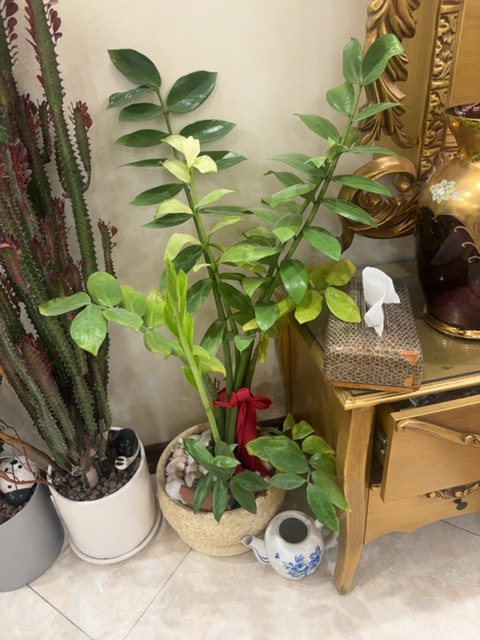
The plant in the photo resembles a ZZ plant (Zamioculcas zamiifolia) with glossy pinnate leaves on several upright stems. Yellowing leaves, especially on lower foliage, combined with limp, pale growth and a generally stressed appearance, commonly indicate root problems from overly wet soil, poor drainage, or a prolonged soggy root zone. Fungal root rot pathogens thrive in consistently moist media and compromised roots no longer effectively take up water and nutrients, which leads to leaf yellowing, leaf drop, stunted growth, and sometimes a foul odor from the pot. If the root system is checked and found brown, mushy, or black instead of white and firm, the diagnosis is likely root rot rather than a simple nutrient deficiency or overfertilization. Addressing this involves both immediate remediation and long-term changes to watering and potting conditions to prevent recurrence.
해결 방법
1. Immediate salvage and disinfection of the root zone: Start by gently removing the ZZ plant from its pot and inspecting the roots. Use clean, sharp scissors or pruners to trim away all roots that are brown, mushy, or foul-smelling. Leave only firm, white or light-colored roots. After pruning, if many roots were rotted, consider trimming the outermost soil, brushing off remaining substrate, and rinsing the root ball under lukewarm water to remove debris. If you own a gallon of hydrogen peroxide solution (3%), you can dip the root ball quickly in a dilute mix (1 part 3% peroxide to 4 parts water) to help disinfect and reduce surface pathogens, then allow the roots to dry for a few minutes. Prepare a clean pot with ample drainage holes, and fill with fresh, well-draining potting mix suitable for succulents or a cactus mix amended with extra perlite or orchid bark for aeration. Place the plant back in the pot, spreading the roots evenly and ensuring the crown sits at or just above the soil line. Water very lightly to settle the soil, then do not water again until the top 2–3 inches of soil are dry to the touch. In the days following, place the plant in bright, indirect light and maintain steady warmth (avoid cold drafts). Do not fertilize for at least 4–6 weeks to reduce stress and to avoid stimulating vulnerable tissue while recovery occurs. If you notice a strong odor or further collapse, isolate the plant from other houseplants to prevent any potential spread of pathogens and reassess after a few weeks. This approach emphasizes removing infected material, restoring drainage, and giving the plant time to reestablish a healthy root system before resuming normal care. 2. Long-term watering and drainage strategy (prevention and recovery): The central cause of root rot is overly moist soil and poor drainage. To prevent recurrence, switch to a watering routine that prioritizes soil moisture monitoring over a fixed schedule. Invest in a high-quality, fast-draining potting mix suitable for ZZ plants (e.g., a mix of peat-based potting soil with added perlite or pumice, or a cactus/succulent mix) and ensure the pot has a drain hole. Before watering, check the top 2 inches of soil for dryness; if it still feels damp, wait longer. When you do water, water thoroughly until you see runoff out of the drainage holes, then empty any excess water from the saucer to avoid root saturation. Consider using a moisture meter or a wooden skewer to test soil moisture deeper in the pot. Place the plant in a location with bright, indirect light to support vigorous root recovery and overall growth; avoid direct sun that can stress stressed tissue. Temperature should be stable (ideally 65–75°F/18–24°C) with good air circulation to prevent fungal buildup. Refrain from misting the plant heavily, as high humidity around a recently wounded root system can encourage rot; a dry to moderately humid environment is better for recovery. Regularly inspect the root zone every 2–4 weeks to ensure no new rot is developing and adjust watering based on seasonal growth patterns and light levels. If you observe persistent yellowing or soft, dark roots despite proper watering, consider repeating the root inspection and repotting again with fresh substrate, as a second fresher root environment can markedly improve survival odds. This approach focuses on preventing future rot, maintaining proper soil moisture, and ensuring the plant’s roots can recover and continue to support healthy foliage. 3. Propagation and conservative management if recovery stalls (salvage or discard options): If, after 6–8 weeks of careful care, the plant shows only limited recovery or continues to deteriorate with a significant portion of the root system compromised, you can salvage by propagating from the healthiest, crown shoots that remain above the soil. Use a clean, sharp blade to cut a healthy top segment with multiple leaves and at least a healthy root stub or node. Allow the cut to callus for 24–48 hours in a dry, shaded area before placing it in a fresh, well-draining potting mix. Water sparingly at first, then gradually increase as roots form. Maintain humidity by placing the pot on a humidity tray or near a humidifier, but avoid overwatering. Root formation for ZZ plants can take several weeks. Once new growth begins, treat the new plant as a separate specimen with its own pot and consistent care, ensuring not to transfer any remaining infected substrate. If the entire plant is heavily rotted and no viable root tissue remains, it may be more responsible to discard the plant to prevent contamination of other houseplants and to avoid a prolonged decline and waste of resources. In such cases, monitor the area for any signs of pathogen spread and sanitize containers and tools thoroughly before working on other plants. This propagation or discard strategy provides a path to either saving a portion of the plant by creating a new, healthier specimen or limiting disease spread by removing a non-viable plant from your collection.
안내
식집사의 기능은 AI를 사용하고 있어 부정확 할 수 있습니다. 단순 재미와 참고용으로만 사용해주세요.