진단 결과
설명
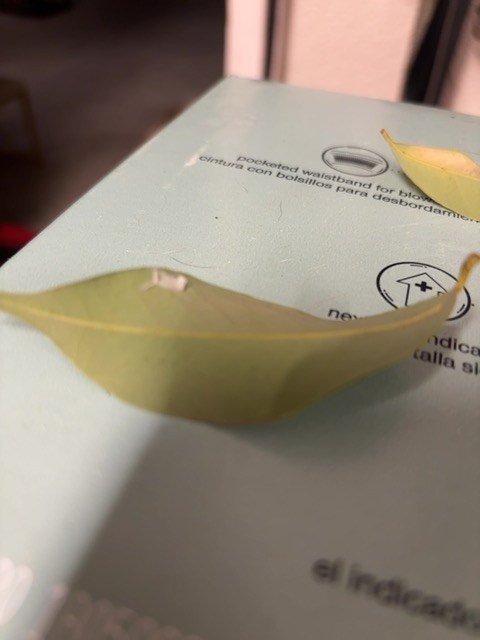
The photo shows a pale yellow leaf with minimal green coloration, which is a hallmark of nutrient-related chlorosis, most commonly nitrogen deficiency in many houseplants. Nitrogen is a mobile nutrient; when deficient, the plant moves nitrogen from older leaves to new growth, causing older leaves to yellow first. However, yellowing can also arise from overwatering, salt buildup, or root problems that limit nutrient uptake. Because a single leaf image cannot confirm the full plant condition, the diagnosis below covers typical nitrogen deficiency symptoms and how to distinguish them from watering issues and root rot. The recommended actions include adjusting feeding, watering, soil pH, and overall cultural care, and then re-evaluating after a growth flush or new leaves appear. If symptoms persist, consider testing soil or consulting a local extension service with more plant details (species, potting mix, watering schedule, light).
해결 방법
1. Answering as nitrogen deficiency: This scenario typically presents with yellowing that starts on older foliage while the newest growth may remain greener for a while, and the rest of the plant may become pale if the problem is severe. To address it, begin by diagnosing whether soil lacks available nitrogen or if uptake is blocked by other factors. First, examine and adjust the soil pH to ensure nitrogen and other nutrients are in the optimal range (generally 6.0–7.0 for most common houseplants). If pH is outside this range, nutrient uptake can be impaired regardless of fertilizer application. Next, inspect the root zone: if the plant has been overwatered or sits in a compacted, poorly draining mix, roots may be damaged or deprived of oxygen, making nitrogen uptake ineffective. If you suspect root issues, carefully remove the plant, rinse off the root ball, and assess for mushy, discolored, or foul-smelling roots. Trim away any dead roots with clean scissors, then repot into fresh, well-draining potting mix designed for indoor plants. After repotting, plant in a slightly larger pot with drainage holes to encourage healthy root growth and improved nutrient access. Once repotted, start a light feeding routine with a nitrogen-rich but balanced fertilizer (for many houseplants, a diluted solution of 1/4 to 1/2 strength of a standard 10-10-10 or 20-20-20 fertilizer) every 2–4 weeks during the active growing season. Avoid high-dose nitrogen in winter when growth slows. Additionally, consider using a nitrogen source that is gentle on indoor plants, such as fish emulsion or kelp-based products, which also provide micronutrients and growth hormones that support root and leaf health. After applying fertilizer, water thoroughly to help the nutrients move into the root zone and flush any accumulated salts that may otherwise hinder uptake. Monitor the plant for 2–6 weeks, looking for new growth that is greener and leaves that regain their turgor. If symptoms persist despite proper feeding and root health, explore other causes like potassium or magnesium imbalances, pests, or environmental stress, and adjust accordingly. 2. For immediate, non-lethal relief while diagnosing: you can perform foliar feeding using a dilute nitrogen source (such as a very weak solution of ammonium sulfate or urea-based fertilizer) sprayed on the undersides of leaves. This method provides a quick nitrogen boost to the photosynthetic apparatus and can help plant tissue recover while root issues are being addressed. Be careful to avoid foliar feeding on stressed or burned leaves and do not exceed recommended concentrations to prevent leaf burn. 3. Long-term maintenance and prevention: maintain consistent watering practices that keep the root zone slightly moist but never waterlogged, and ensure the pot has adequate drainage. Use a balanced, slow-release fertilizer or a regular dilute fertilizer according to the plant’s growth cycle, and avoid nutrient buildup by occasionally flushing the soil with clean water to remove salts. Keep the plant in a bright, indirect light environment suitable for its species, as light quality influences growth rate and nutrient demand. Finally, take notes on feeding dates, waterings, and any changes in leaf color so you can detect patterns and adjust care quickly in the future. This approach not only treats the current yellowing but also reduces the likelihood of recurring deficiency symptoms.
안내
식집사의 기능은 AI를 사용하고 있어 부정확 할 수 있습니다. 단순 재미와 참고용으로만 사용해주세요.