진단 결과
설명
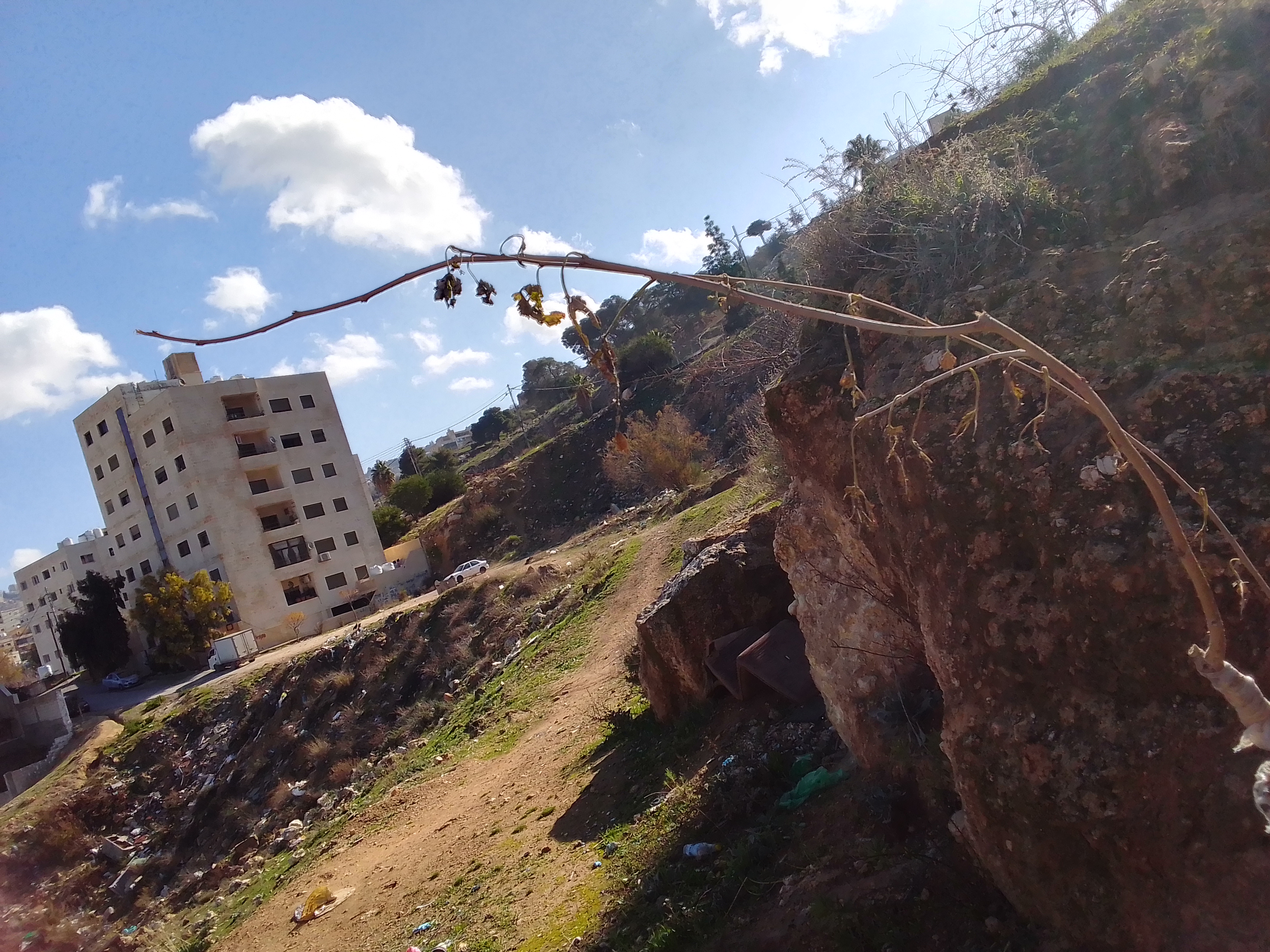
The photo shows a long, bending, woody stem with only a few withered leaves at the distal end. The overall plant appears severely stressed, with little to no healthy green foliage. This pattern is typical of dieback caused by sustained environmental stress, especially extreme heat, intense sun exposure, and inadequate soil moisture on rocky, well-draining soils. In such conditions, the plant slowly abandons older canes, and new growth can fail to establish due to water deficit, root-zone desiccation, and poor soil structure. Secondary pathogens (fungal or bacterial wounding pathogens) can colonize stressed tissue, accelerating tissue death, but the primary driver in this image appears to be chronic drought/heat stress and possible nutrient imbalances from poor soil quality. A precise diagnosis would require soil moisture readings, observation of new bud viability, and a check for root health, but the visible symptoms are strongly consistent with drought-induced dieback rather than a single contagious pathogen.
해결 방법
3. Diagnosis refinement and disease management (addressing possible secondary pathogens and ensuring proper plant health): While drought stress appears to be the primary driver, stressed plants are prone to opportunistic infections such as Botryosphaeria cankers, Phytophthora root rot, or other wounding pathogens that invade exposed or damaged tissue. If you observe dark cankers, oozing sap, resin-like exudates, or a sudden drop in tissue vitality beyond what drought alone would explain, perform a more thorough assessment. Begin with a careful inspection of the root zone; gently excavate a small section to check for mushy, discolored roots (a sign of root rot) and any foul odor. If you detect root rot, reduce irrigation, improve drainage, and apply a fungicide labeled for root rot control as per label directions, focusing on products that are registered for use on the crop type and environment. When pruning, remove any infected wood at least 2–4 inches into healthy tissue and sanitize tools between cuts to prevent pathogen spread. For external cankers or lesions, prune to remove infected tissue and treat the pruning surfaces with a copper-based fungicide or a suitable callus-inducing wound dressing that is compatible with the plant species and local regulations. Avoid excessive wetting of foliage and overhead irrigation, which can spread foliar diseases; instead, water at the base and ensure concentrated, slow delivery to the root zone. If the plant is in a landscape setting with limited salvage potential, consider replacement planning. Collect plant health data from the site—sun exposure, soil type, irrigation cover, and microclimate—and select a species or cultivar better suited to drought-prone conditions. When replanting, prepare the soil to support robust establishment: loosen compacted soils, incorporate organic matter, ensure adequate drainage, and build a weed-free bed. Plant with a wider spacing to reduce competition for water and nutrients, amend the planting hole with compost, and mulch to preserve soil moisture. Establish a structured irrigation routine from the outset, gradually weaning to a drought-tolerant maintenance level after root establishment. If you decide to replant, consider slow-growing, drought-tolerant species or native shrubs that stabilize slopes and require less supplemental water. In all scenarios, maintain good garden hygiene and monitoring; promptly remove any dead material and treat promptly to prevent disease spread. This comprehensive approach aligns aggressive prevention with responsive treatment, supporting plant recovery or successful replacement while optimizing water use in a dry, rocky site.
안내
식집사의 기능은 AI를 사용하고 있어 부정확 할 수 있습니다. 단순 재미와 참고용으로만 사용해주세요.