진단 결과
설명
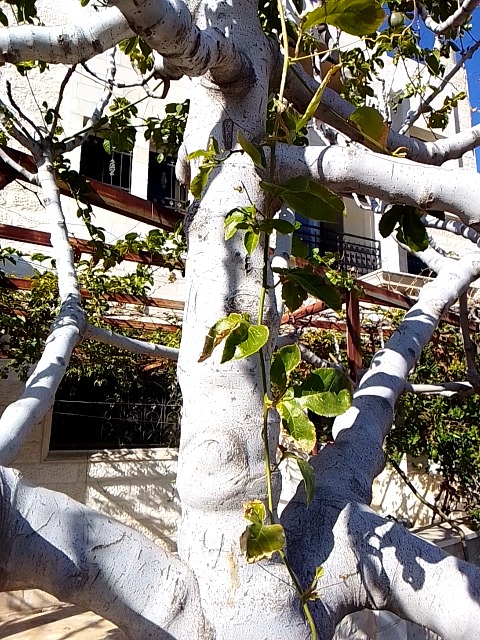
Lichens on tree trunks are a common, non-pathogenic organism that results from a symbiosis between a fungus and photosynthetic algae or cyanobacteria. They appear as flat, crusty, leafy, or powdery patches and can be gray, green, or yellow. Lichens attach to the bark and use the surface for moisture and light; they do not invade living tissue or feed on the tree, so they are not a true disease. Their presence often indicates environmental conditions such as higher humidity, ample shade, and a smooth or uninjured bark surface. In your photo, the trunk shows a smooth, light-colored bark which is a typical substrate for lichen growth, along with a few leaves and a plant climbing up. While lichens are not harmful by themselves, heavy coverage can be aesthetically undesirable and may signal underlying stress or reduced vigor if the tree is otherwise weak. If the tree appears healthy and is growing well, removing lichens is optional and mainly for appearance. If growth is dense, mechanical cleaning can help, but it should be done carefully to avoid injuring the bark. The following solutions focus on cosmetic management, improving overall tree health, and monitoring for other issues that could affect plant vigor.
해결 방법
1. Manual removal and gentle cleaning to restore appearance without harming the tree: Lichens are not harmful, but many owners prefer the bark to look clean. Begin by assessing the extent of coverage on the trunk. Use a soft nylon brush or sponge and clean water to gently scrub the surface in a downward direction to lift the lichens without abrading the bark. Avoid high-pressure hoses or scrubbers that can scar the bark. If patches are stubborn, you may use a mild biodegradable detergent solution (a few drops of mild dish soap per quart of water) and scrub gently, then rinse with clean water. For spot sterilization, you can apply a very dilute solution of household bleach (about 3–5%), but this should be used sparingly and rinsed off promptly to minimize bark damage; never let bleach sit on the bark for long. After cleaning, inspect for any cracks, splits, or signs of pests; if you find damaged areas, treat them accordingly and avoid creating entry points for pathogens. Plan to perform this as weather permits dry conditions; cleaning during wet periods can promote fungal growth underneath the lichens. Finally, note that absence of lichens will not automatically improve tree vigor if root or canopy health is poor; consider the other solutions for a holistic approach to plant care.
안내
식집사의 기능은 AI를 사용하고 있어 부정확 할 수 있습니다. 단순 재미와 참고용으로만 사용해주세요.