진단 결과
설명
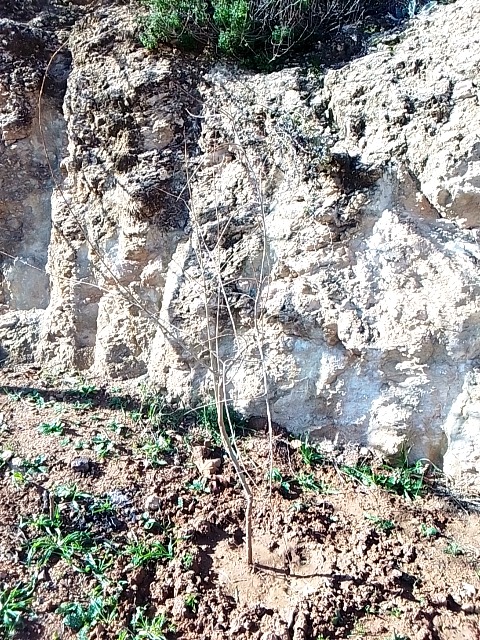
The image shows a tall, leafless cane with little-to-no new growth, set against a rocky soil background. This pattern is commonly seen with cane dieback and wood canker diseases in woody plants (often attributed to Botryosphaeria species or other dieback pathogens). Symptoms include sudden or progressive dieback starting at the tips, brown and dead wood in canes, occasional dark cankers on older wood, reduced vigor, and sparse or absent foliage on affected canes. These diseases are frequently favored by stress factors such as drought, poor drainage, cold injury, tissue damage from pruning, or wounds that allow pathogen entry. Management relies on sanitation, proper pruning to remove infected wood, improving growing conditions, and, where appropriate, protective fungicide applications at pruning wounds. It is important to distinguish these diseases from abiotic stress (drought, frost, or nutrient deficiency), which can mimic dieback. For a precise diagnosis, consider lab testing of canes and canker tissue and consult local extension services, especially if multiple plants are affected.
해결 방법
3. Replacement planning and site preparation if decline is severe: If dieback is extensive and the plant shows little to no viable wood after multiple growing seasons, replacement may be the most economical option. Start by removing the entire affected plant material that cannot be salvaged, ensuring that you minimize disturbance to nearby plants to avoid spreading any residual inoculum. Before replanting, thoroughly dig and amend the planting hole, improving drainage and soil structure, and consider incorporating well-composted organic matter to enhance microbial balance and nutrient availability. Choose disease-resistant or less-host-susceptible cultivars or rootstocks where applicable, and source clean, certified planting material from reputable suppliers. Plan your new planting site with adequate spacing to improve air circulation and reduce humidity in the canopy. Establish a monitoring plan for sprouts, shoots, and new growth over the next two growing seasons, looking for early signs of dieback or canker symptoms and adjusting management promptly. Implement a longer-term cultural program from the outset: proper irrigation, soil fertility management, mulching to regulate temperature and moisture, regular pruning to maintain an open canopy, and sanitation to reduce inoculum load. If you have a mixed planting, consider staggered replacement or rotating crops to break disease cycles. In all cases, consult your local agriculture extension or a plant pathology lab for confirmation and region-specific recommendations, including whether protective fungicides on pruning wounds or soil drenches are appropriate for your climate and crop.
안내
식집사의 기능은 AI를 사용하고 있어 부정확 할 수 있습니다. 단순 재미와 참고용으로만 사용해주세요.