Spider Plant (Chlorophytum comosum)
Description
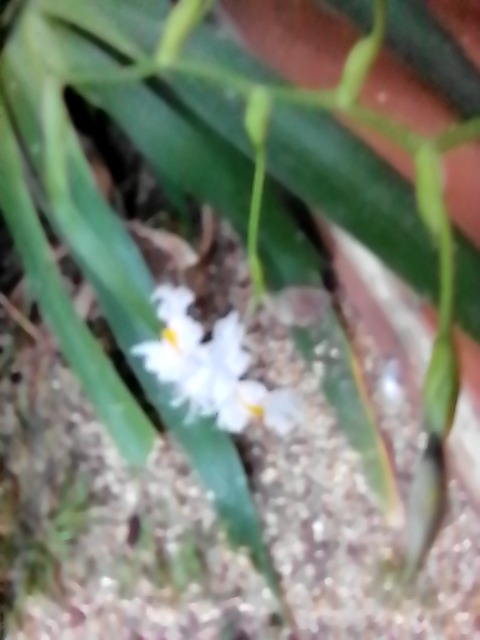
The plant shown appears to be a Spider Plant, scientifically known as Chlorophytum comosum, one of the most popular and forgiving houseplants. It is typically grown as a clumping rosette of long, narrow, arching leaves that emerge from a central crown. The leaves are straplike and can be solid green or variegated with cream or yellow margins depending on the cultivar. In most common varieties, the foliage forms a bright, cascading display that works well in hanging baskets or on shelves where the leaves can drape gracefully over the sides. Spider plants are herbaceous perennials native to tropical and southern Africa, where they naturally grow as understory plants in light shade. They are renowned for their resilience, ability to tolerate a wide range of indoor conditions, and the charming flowers and plantlets they produce. The flowers emerge on long, slender stalks that rise above the foliage and cluster into small, star-shaped blossoms. Each blossom is white and delicate, often described as resembling little stars with a slight yellowish center—the latter coming from the pollen or anthers. After flowering, the plant often produces long, thin runners or stolons which eventually bear small plantlets at their tips. These plantlets can root readily in soil or water, providing a convenient and rewarding method of propagation. This combination of decorative foliage, gentle flowering, and prolific offspring makes the Spider Plant an ideal beginner’s plant as well as a dependable choice for more experienced gardeners looking for an easy-care specimen. In many households, Spider Plants are prized not only for their beauty but also for their air-purifying reputation, ease of care, and the way they tolerate erratic watering and light levels better than many other houseplants. When describing care, the emphasis is on giving the plant bright, indirect light, well-draining soil, and a balanced watering routine that allows the top layer of soil to dry out between waterings. Over time, with proper care, a Spider Plant can grow into a lush clump and continuously produce new plantlets, creating a cascading effect that is both visually pleasing and satisfying to watch as a living, multiplying feature in the home. Lighting requirements vary slightly by cultivar: variegated forms typically benefit from more light to maintain the bright coloration, while solid green leaves tolerate lower light but may become leggy and slower to develop. Temperature tolerance is moderate; typical indoor conditions between 60 and 75°F (15–24°C) are ideal, with protection from cold drafts and frost. Humidity is not a strict requirement for Spider Plants, but moderate humidity or occasional misting helps reduce leaf tip browning in very dry environments. Plant care is largely about consistency and prevention of common issues such as brown leaf tips, yellowing due to overwatering, or stunted growth from root-bound conditions. The following care guide outlines practical steps for growing a healthy Spider Plant and provides tips for propagation, pest prevention, and troubleshooting. Light and placement: Spider Plants prefer bright, indirect light. In very bright sun, especially hot, direct afternoon sun, the leaves can scorch and lose their variegation in the variegated cultivars. In dim light, growth slows and variegated forms may fade toward green. A good compromise is a spot near a window with filtered light or a few hours of morning sun with protection from intense afternoon rays. Temperature and humidity: They are fairly forgiving and do well in typical home temperatures, but avoid temperatures below 50°F (10°C) or above 85°F (29°C) for sustained periods. They tolerate average indoor humidity but will benefit from occasional misting or a pebble tray in very dry homes. Watering and soil: Use a light, well-draining potting mix, such as a standard houseplant mix amended with perlite or sand for extra drainage. Water moderately, allowing the top 1 to 2 inches (2.5–5 cm) of soil to dry out between waterings. Spider Plants do not like to sit in water, so ensure the pot has drainage holes and empty saucers after watering. In winter, reduce frequency even further, as the plant's water needs decline with lower light levels and cooler temperatures. You should observe the leaves for signs of moisture deficiency (drooping or curling leaves) or overwatering (yellowing leaves or a soft, mushy stem). Fertilization: Feed every 4–6 weeks during the active growing season (spring through summer) with a balanced, water-soluble fertilizer diluted to half strength. Do not over-fertilize, as salt buildup can burn the roots and tip the leaves. You can skip fertilization in the winter when growth naturally slows. Soil drainage and repotting: Spider Plants prefer a pot with good drainage. If roots become crowded or the plant has stopped producing many new plantlets, it’s a sign that repotting is due. Repot every 1–2 years, or when the plant has outgrown its container. Choose a pot only slightly larger than the root ball and refresh the soil with fresh potting mix. Propagation and plantlets: One of the most delightful features of the Spider Plant is its ability to produce plantlets along the ends of long flower stalks (runners). These plantlets can be left to root in the potting mix attached to the mother plant or removed and rooted in water or soil to form new individual plants. To transplant, gently separate a plantlet once it has a few roots, then plant it in a small pot with fresh potting mix. Rooting in water is a reliable method: place the plantlet in a glass of water until roots appear, then transfer to soil. Pruning and maintenance: Trim away any brown or yellowing leaves as needed to maintain a neat appearance and to prevent the plant from wasting energy on dying foliage. After flowering, you can prune the flowering stalks if they appear spent. Pest and disease management: Spider Plants are relatively pest-resistant, but they can occasionally encounter common houseplant pests such as spider mites, mealybugs, and scale. Regular inspection helps catch problems early. Wipe leaves with a damp cloth, spray with insecticidal soap, or rinse the plant under a gentle stream of water to dislodge pests. If an infestation is severe, isolate the plant and consider a horticultural oil or systemic insecticide as a last resort. Toxicity and pets: Spider Plants are widely regarded as non-toxic to cats and dogs, according to many botanical and pet safety resources. However, chewing on any plant can cause mild stomach upset in some animals, so it’s wise to provide enrichment and be mindful if your pets tend to nibble on indoor greenery. Varieties and appearance: Variegated cultivars, such as the classic Vittata or Laurentii, feature green leaves with cream or yellow margins, providing a bright accent in any room. Solid-green cultivars offer a more uniform, understated look. The overall effect of a healthy Spider Plant is a lively, cascading rosette of leaves with occasional white starry blossoms followed by clusters of green plantlets that can become new plants with minimal effort. Troubleshooting common issues: If the tips of the leaves turn brown, it is often due to low humidity, too much fertilizer, or inconsistent watering. If leaves yellow, the plant may be overwatered or receiving too little light. If growth becomes sparse or the plant becomes leggy, it typically means the plant is not receiving enough light or has outgrown its pot and needs repotting. Environmental stress can also cause slowed growth or reduced flowering. Display and interior use: Spider Plants are versatile for indoor decor. They function well in hanging baskets where the long leaves can spill over the sides, on shelves where their arching habit can soften architectural lines, or as a filler plant in mixed container arrangements. They pair well with other tropicals and bright, leafy companions. Maintenance routine: A simple routine keeps Spider Plants thriving: place in bright, indirect light; water when the top inch of soil is dry; feed monthly during spring and summer; repot as needed; trim brown tips; watch for pests; and occasionally refresh the top layer of soil to maintain fertility. The plant’s rapid growth and prolific propagation via plantlets make it a rewarding choice for those who enjoy watching a plant reproduce itself. In summary, the Spider Plant is a hardy, adaptable, and aesthetically pleasing houseplant that suits a wide range of living spaces and skill levels. Its ability to tolerate light variations, minimal care, and frequent propagation opportunities makes it an enduring favorite for apartments, offices, and homes alike. Given its forgiving nature, attractive foliage, and cheerful blossoms, it is easy to recommend the Spider Plant to beginners while still offering enough charm for seasoned gardeners to appreciate. While this identification is based on the visible features in the provided image, the described care and characteristics align closely with the typical traits of Chlorophytum comosum, making it a reasonable and useful identification for practical cultivation guidance.
Identification Time
August 25th, 2025
Notice
The function of Plantypia is using AI, so it may be inaccurate. Please use it for fun and reference only.
A plant result page that leads to the next useful action
After checking the name, continue into official plant database results.