Dracaena marginata (Madagascar Dragon Tree)
Description
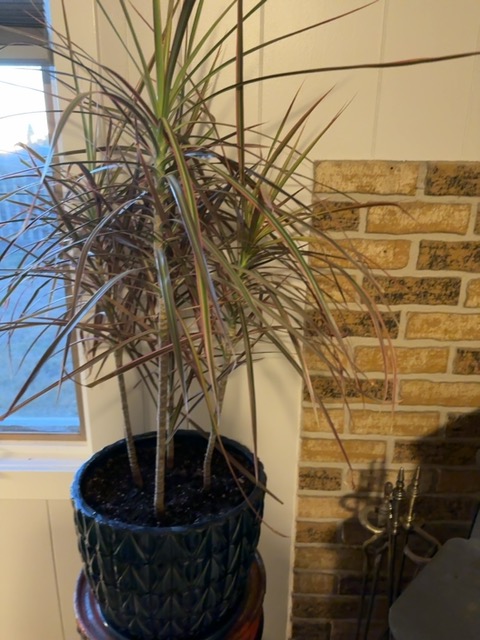
Dracaena marginata, commonly called the Madagascar dragon tree, is a popular indoor plant renowned for its slender, cane-like trunks and tufted rosettes of long, arching leaves. The leaves are narrow and sword-shaped, typically about 1.5 to 3 centimeters wide and 40 to 90 centimeters long, forming a dramatic crown at the top of each stem. In many cultivars the foliage is green with striking red, burgundy, or purplish margins, giving the plant a tropical, architectural look. The plant in your photo shows this classic marginata appearance, with multiple slender trunks rising from the pot and a cluster of narrow leaves that arch gracefully from the crown. When healthy, marginata can develop several upright canes, each crowned with a tuft of leaves, creating a multi-stem, tree-like silhouette that remains relatively compact indoors if regularly pruned and repotted as needed. Origin and growth habit: This species is native to Madagascar and adjacent regions of Africa, where it grows as a small tree in forests. Indoors, it is grown as a much smaller, controlled specimen. It tolerates a range of indoor conditions, is relatively forgiving, and adapts well to apartment life, offices, and sunrooms. Growth is slow to moderate, especially in lower light, but with appropriate care it can become a striking focal point in a living room or entryway. The cane-like trunks are formed as lower leaves drop off with age, revealing the smooth, woody stems that can support multiple crowns over time. Light requirements: Dracaena marginata prefers bright, indirect light for best growth and color development. It will tolerate lower light levels, but slower growth and a reduction in leaf color intensity are common; variegated forms may lose some of their color richness if light is too dim. Avoid placing the plant in intense, direct sun for long periods, as this can scorch the leaves and cause brown patches or fading in color. For a balanced look, position near a well-lit window with filtered light or use a sheer curtain to diffuse harsh sun. Rotate the plant every few weeks to promote even growth and prevent leaning toward the light source. Watering and humidity: Water moderately, letting the top inch or so of the soil dry out between waterings. The plant dislikes soggy soil and is prone to root rot if overwatered. In winter, reduce watering further as the plant’s growth slows. Ensure the pot has drainage holes and that excess water can escape. Over time, you may notice the leaves tipping toward a drier side or the soil staying consistently damp—adjust watering accordingly. Humidity is not strictly mandatory, but normal room humidity is beneficial. If the air is very dry, occasional misting or a light humidity tray can help prevent brown leaf tips. Avoid placing the plant directly against a heat vent or in a drafty doorway, which can cause the leaf tips to brown. Soil and repotting: Use a well-draining, aerated potting mix. A standard houseplant mix amended with perlite or pumice works well, or a mix designed for tropical plants. Because marginata grows slowly, repotting isn’t needed every year; typical practice is every 2–3 years or when roots become visibly crowded or emerge from the drainage holes. When you do repot, choose a pot only slightly larger than the current one to avoid waterlogging and to encourage stable root development. Fresh soil at each repot helps replenish nutrients and gives the plant renewed access to moisture and air at the roots. Temperature and overall environment: The Madagascar dragon tree thrives in typical indoor temperatures, ideally around 65–75°F (18–24°C). It can tolerate brief dips into the 60s (15–18°C) but should be protected from frost. Keep the plant away from cold drafts in winter and away from hot, dry heating vents that can desiccate the leaves. A stable environment with moderate humidity and consistent temperatures helps prevent stress-induced leaf drop. Fertilizing: Feed during the growing season (spring through early fall) with a balanced, water-soluble fertilizer diluted to half strength. A monthly or every-6-weeks schedule is common, but reduce feeding in winter when growth typically slows. Avoid over-fertilizing, which can cause tip burn or salt buildup on the soil surface. If the plant shows no new growth, you may be over-fertilizing or under-lighting; adjust accordingly. Pruning, shaping, and propagation: Pruning is useful for controlling height, maintaining a balanced shape, or encouraging bushier growth. You can cut the top of a stem just above a leaf node to promote new growth from below the cut. This technique can also help you create a multi-stem specimen from a single plant. If a stem becomes leggy, trimming the top and letting new shoots emerge from near the base can produce a fuller look. Brown or yellow leaf edges can be pruned with clean scissors after removing damaged tissue. Propagation is straightforward with cane cuttings: cut a healthy section of stem with several nodes, let the cut end callus for a day or two, then plant in fresh potting mix and keep evenly moist (not soggy) until roots form. The original stem may sprout new growth from the cut area as well. Pests and diseases: Dracaena marginata is relatively resistant but can be afflicted by common houseplant pests such as spider mites, mealybugs, and scale. Regular inspection, cleaning of the leaf surfaces with a damp cloth, and targeted treatments with insecticidal soap or neem oil usually keep problems under control. Be mindful of root rot from overwatering or poorly draining soil; always ensure proper drainage and avoid leaving standing water in saucers. Symptoms of trouble include yellowing leaves, soft or mushy stems, and darkened roots. If you notice mites, look for fine webbing; treat promptly with a suitable pest control product and improve humidity and air movement around the plant. Toxicity and pet safety: Dracaena marginata is toxic to pets if ingested. Cats and dogs may experience drooling, vomiting, or lethargy after chewing on the leaves or stems. If you have curious pets, place the plant out of reach or monitor access closely. While not dangerous to humans in typical indoor settings, always wash hands after handling the plant and avoid consuming plant material. Aesthetic and practical notes: The marginata group is valued for its architectural form and durability in low- to moderate-light interiors. Its slender trunks and slender, colorful leaves make it particularly well-suited to modern or minimalist décor, where it can act as a vertical accent or a natural divider in a room. The color intensity of the leaves is influenced by light; brighter light generally enhances the red or purple edge coloration, while lower light can produce greener leaves with less pronounced margins. Because the plant tends to grow upward rather than outward in dim conditions, occasional pruning helps prevent top-heaviness and keeps the plant proportionate to its container. Troubleshooting quick guide: - Brown leaf tips: often caused by low humidity, fluoride in tap water, or rapid changes in temperature. Try increasing humidity, use filtered or distilled water, and keep the plant away from vents. - Pale or yellowing leaves: may indicate overwatering or poor drainage, or insufficient light. Check soil moisture and adjust watering frequency, and if needed, provide brighter indirect light. - Leggy growth: typically a sign of insufficient light. Move the plant toward a brighter location and consider pruning to encourage bushier growth. - Poor color in variegated forms: if the edge color is weak, give the plant more bright, indirect light, while avoiding harsh direct sun. In summary, the Madagascar dragon tree is a versatile, resilient indoor plant that combines ease of care with striking, architectural foliage. It tolerates a range of indoor conditions and rewards attentive care with healthy growth and vivid leaf coloration, especially in well-lit spaces. The specimen in your photo—with several slender trunks and a crown of narrow, color-contrasted leaves—serves as a prime example of how a marginata can anchor a room’s design, adding height, contrast, and a touch of tropical elegance. With proper watering, light, and occasional pruning or repotting, this plant can thrive for many years, continuing to provide visual interest and a low-maintenance presence in the home.
Identification Time
February 3rd, 2026
Notice
The function of Plantypia is using AI, so it may be inaccurate. Please use it for fun and reference only.
A plant result page that leads to the next useful action
After checking the name, continue into official plant database results.