Privet (Ligustrum sp.)
Description
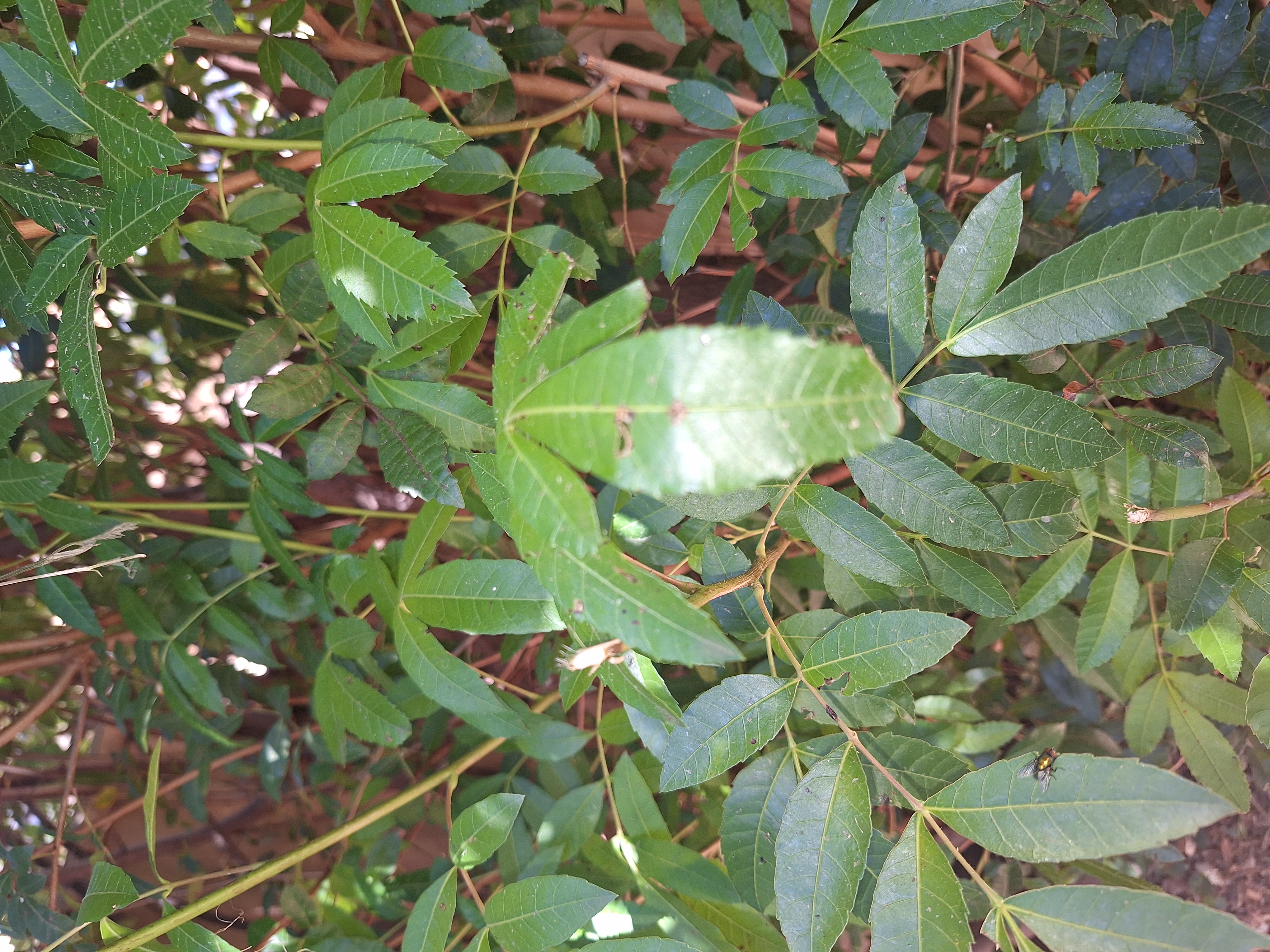
The plant in the photo appears to be a privet, a common ornamental shrub used for hedges, screens, and landscape features. Privets belong to the genus Ligustrum and include several species such as Ligustrum japonicum (Japanese privet), Ligustrum lucidum (glossy privet), and Ligustrum vulgare (common privet). In many gardens and urban plantings, privets are valued for their dense foliage, fast growth, and versatility in shaping into formal hedges or informal screens. While it is sometimes difficult to determine the exact species from a single image, the overall look—an evergreen or semievergreen shrub with glossy green leaves arranged along slender stems and a habit that tolerates heavy pruning—fits well with privet hedges. The following description covers typical features, care, and management for privet in home landscapes, with notes on differences among common species when relevant. Appearance and leaves: Privet leaves are usually simple, oval to oblong, and can be glossy and dark green. In many species the leaves are arranged oppositely along the stems, which gives the shrub a dense, tidy appearance. Leaf size varies by species but generally ranges from about 2 to 7 centimeters (roughly 1 to 3 inches) long. Edges can be smooth to slightly serrated, and leaf surfaces are often leathery, contributing to drought tolerance. New growth is often lighter in color, providing seasonal contrast. In a dense hedge, many short branches grow from the base, creating a compact, leafy mass with relatively little visible branching until the plant is well established. Flowers and fruit: Privet is widely grown for its ornamental flowers and fruit, though not all cultivars flower heavily in every climate. In spring and early summer, many privet species produce panicles or clusters of small, white (sometimes creamy) tubular or four-lobed flowers with a mild to strong fragrance. The flowers attract pollinators such as bees, helping to support local ecosystems. After flowering, female plants or some cultivars produce dark bluish-black to purple berries that remain on the plant into the fall and winter. The berries are not edible for humans and can be a food source for birds. Invasive tendencies vary by species and region, but some privets can spread via berries into disturbed areas if not managed. Growth habit and size: Privets are typically fast-growing shrubs or small trees. They can reach several meters in height and width if unchecked, but are commonly pruned to hedge heights of 1 to 3 meters (3 to 10 feet) in residential landscapes. The growth rate is influenced by light, soil, and water: full sun promotes denser foliage and better flowering, while partial shade can reduce vigor and flower production. In containers, privets can be kept more compact with regular pruning. Origin and use: Privets are native to Europe, Asia, and North Africa but are widely cultivated around the world. In many regions, they are used as formal hedges, foundation plantings, or screens to provide privacy and wind protection. Some cultivars are bred specifically for small leaves, denser growth, or variegated foliage for added interest. In areas where privet has become invasive, it is important to monitor growth, prune vigorously, and consider replacing with noninvasive alternatives if recommended by local extension services. Care and cultivation: light and soil - Light: Privet tolerates a broad range of light conditions, from full sun to partial shade. For the best hedge density and flowering (where applicable), provide at least several hours of bright light per day. In very hot climates, some shade in the hottest part of the day can reduce leaf scorch and stress. - Soil: Privet is adaptable to a wide range of soil types, including clay, loam, and sandy soils, as long as the soil drains reasonably well. It is more tolerant of poor soils than many other hedging species. However, excessively waterlogged soils or repeated poor drainage can lead to root problems and disease. - Water: Establishment requires regular waterings to keep the root zone consistently moist but not waterlogged. Once established, most privet varieties are moderately drought-tolerant, though they will perform better with regular moisture during hot, dry periods. In containers, more frequent watering will be needed, especially in warm weather. Pruning and maintenance: - Pruning goal: Privet responds exceptionally well to pruning and can be shaped into a formal hedge, a rounded shield, or a natural screen. For a hedge, prune to maintain a uniform height and a slightly tapered top to allow light penetration to lower leaves. Avoid heavy pruning all at once if the plant is young; instead, gradually shape over several growing seasons. - Timing: In many climates, the main pruning period is late winter to early spring before new growth begins. Light maintenance pruning can be done in summer or fall to control size and encourage dense foliage. If flowering is important for a particular cultivar, schedule pruning to avoid removing the flower buds. - Techniques: Use clean, sharp pruning tools. Make cuts just above a healthy bud or leaf node. Remove any dead, damaged, or crossing wood to promote air circulation and reduce disease risk. For hedges, a consistent line and uniform spacing between branches create a neat appearance. Fertilization and soil care: - Fertilizer: Apply a balanced, slow-release fertilizer in early spring to support new growth. Avoid excessive nitrogen, which can promote lush foliage at the expense of flowering and can make plants more susceptible to pests and disease. In soils that test nutrient-poor, a light application of a complete fertilizer (N-P-K) may be beneficial. - Mulch: Apply a layer of mulch around the base of the plant to conserve moisture, regulate soil temperature, and suppress weeds. Keep mulch a few inches away from the trunk to prevent rot. - Soil amendments: If your soil is heavy or poorly drained, consider improving drainage and incorporating organic matter to enhance soil structure. However, privet generally tolerates a range of soil textures when drainage is acceptable. Pests, diseases, and problems: - Common pests: Privet can attract scale insects, aphids, and occasionally spider mites. Whiteflies may appear on new growth in hot conditions. A strong blast of water can help manage some pests; if infestations are heavy, horticultural oils or insecticidal soaps may be used following label directions. - Diseases: Leaf spot, powdery mildew, ortwig blight can occur in overly humid or crowded conditions. Good air circulation, proper spacing, and avoiding overhead irrigation can reduce disease risk. - Environmental stress: In very hot, dry climates, leaf scorch may occur on the outer portions of a hedge. Adequate irrigation and occasional shading in extreme temperatures can help. Propagation: - From cuttings: Privet is easy to propagate from semi-hardwood cuttings taken in late summer. Remove lower leaves, dip the cut end in rooting hormone, and plant in a mix of potting soil and perlite or sand. Keep the cuttings consistently misted until roots form. - By layering: Low branches can be bent to the ground and buried to root, then separated as a new plant after roots develop. - From seeds: Some species produce berries that can be collected and sown, but germination may be slow and variable; many gardeners prefer cuttings for faster, more reliable results. Environmental considerations and invasive risk: - In some regions, certain privet species (notably some Asian and European forms) can escape cultivation and become invasive, outcompeting native vegetation and altering ecosystems. If you are in an area with sensitive native habitats, check local extension service guidance about invasiveness and consider managing plantings accordingly or choosing native alternatives or sterile cultivars. - Berries: The fruits of privet are not edible for humans and can be mildly toxic if ingested in quantity. If you have children or pets, plant private hedges where access to berries is limited or harvest and dispose of fruits if you notice persistent seeding in unwanted locations. Seasonal reminders and aesthetics: - In spring, new growth brightens the hedge; many varieties produce a neat, evergreen silhouette that remains visually attractive year-round in milder climates. In regions with cold winters, some privet species may lose a portion of their leaves or show some winter-interest with still-green foliage depending on the cultivar and winter severity. - Varieties: There are numerous cultivars, including some with variegated foliage or smaller leaves for tighter hedges. If you are selecting a privet for a particular landscape effect, note that leaf size and growth habit vary by species and cultivar, which can influence pruning strategies and the hedge’s density. What this means for your care plan: if you think your plant is a privet, the general approach is straightforward and forgiving. Start with a soil and site assessment to ensure good drainage and adequate light. Water regularly during establishment, then transition to a schedule that matches your climate and rainfall. Plan for regular pruning to maintain the desired shape and to stimulate dense growth; this is especially important for hedges where a uniform look is desired. Use a balanced fertilizer in the spring, monitor for signs of pests and diseases, and prune out any dead or diseased wood promptly to keep the plant healthy. If the plant you have is not a privet, the similarities in appearance can still share some care principles. Many evergreen hedging shrubs in the Ligustrum family or similar genera prefer full sun to partial shade, well-drained soil, and periodic pruning to maintain a dense, tidy habit. When in doubt, take a cutting to a local extension office or garden center to confirm the species; likewise, consult a local gardener or arborist who can examine the plant in person and note regional growth characteristics and invasive status. Overall, privet remains one of the most reliable, low-maintenance, and fast-growing options for creating effective privacy screens and decorative hedges in suitable climates.
Identification Time
November 30th, 2025
Notice
The function of Plantypia is using AI, so it may be inaccurate. Please use it for fun and reference only.
A plant result page that leads to the next useful action
After checking the name, continue into official plant database results.