Rose (Rosa)
Description
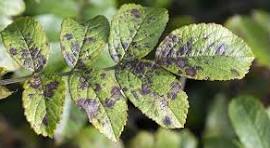
The plant in the photo appears to be a rose (Rosa). The leaves are compound, typically with 5 to 7 leaflets, each leaflet lanceolate to ovate with serrated margins. This is a classic rose leaf pattern seen across many garden roses and shrub roses. The leaves shown also display dark, irregular patches that suggest a common fungal problem roses often encounter, most likely black spot (Diplocarpon rosae). Black spot is one of the most frequent leaf diseases in roses and is especially common in damp, humid conditions or when leaves stay wet for extended periods. While a precise diagnosis is best made in person, the combination of a rose-like leaf structure and the purplish-black spots on the leaf surfaces strongly points toward rose black spot as a likely culprit. Other rose diseases, such as rust or powdery mildew, can produce leaf symptoms as well, but the appearance here—round to irregular dark spots on the upper leaf surface, often with yellow halos and eventual yellowing or leaf drop—fits black spot closely. Regardless of the exact disease name, the care guidance below is designed to help roses thrive and to minimize leaf spot and other problems. If you do not know whether this plant is a rose, consider the overall habit (thorny stems, woody shrub, and pinnate leaves) and how it responds to pruning and flowering, which are typical rose characteristics.
Identification Time
November 3rd, 2025
Notice
The function of Plantypia is using AI, so it may be inaccurate. Please use it for fun and reference only.
A plant result page that leads to the next useful action
After checking the name, continue into official plant database results.