Rosemary (Salvia rosmarinus, formerly Rosmarinus officinalis)
Description
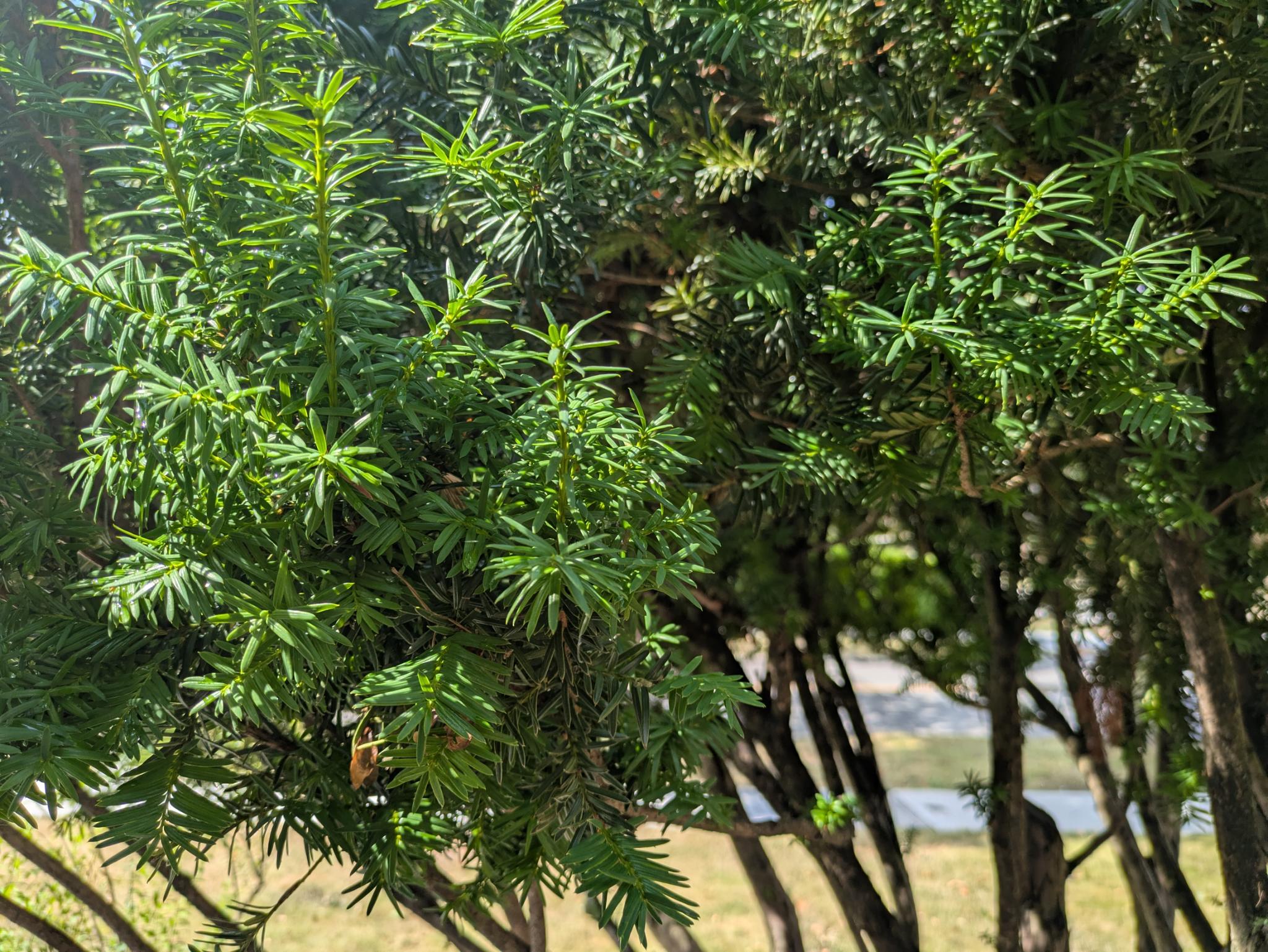
The plant in the photo is a rosemary shrub (Salvia rosmarinus, previously classified as Rosmarinus officinalis). Rosemary is a fragrant, evergreen Mediterranean herb that has been cultivated for centuries for culinary, medicinal, and ornamental purposes. In the landscape, it often grows as a bushy shrub or low hedge with a woody, somewhat rambling habit. The foliage is the most recognizable feature: slender, needle‑like leaves arranged along woody stems. The leaves are typically 2–4 centimeters long, narrow and evergreen, dark green on the upper surface with a lighter, sometimes slightly grayish underside. When you brush or crush the foliage, it releases a distinct piney, resinous aroma with hints of lemon or eucalyptus depending on the plant’s chemotype. This aromatic quality makes rosemary a popular flavorful herb in kitchens worldwide and a favorite in herb gardens, borders, and containers. Botanical characteristics: Rosemary is a perennial, woody shrub with an upright to spreading habit. It can reach about 0.6 to 1.5 meters (2–5 feet) in the garden, though many cultivars stay shorter, especially when pruned. The stems are slender and woody, becoming more rigid with age. The leaves are opposite or appear in pairs along the stem, though their arrangement can look almost whorled in dense growth. The foliage is evergreen, glossy green on top and lighter underneath, and the leaves have a linear-lanceolate shape with a sharp tip. In flowering season, rosemary bears small, delicate flowers in shades of blue, purple, lavender, or white, typically appearing in the spring or summer, depending on climate and cultivar. These flowers attract pollinators such as bees and butterflies, adding seasonal value to the plant. Habit and growth: Rosemary forms a compact mound or low shrub that can become quite bushy with regular pruning. In ideal conditions (sunny site, well‑drained soil), new growth is vigorous, with bright green shoots and a strong scent. It tolerates heat and drought once established, which is why it is a staple in Mediterranean-inspired landscapes. In winter, in milder climates, it remains evergreen and can recover from pruning or light frost, though prolonged freezing can damage more tender plants. Some varieties have more upright growth, while dwarf or prostrate forms are used for rock gardens or cascade effects in borders and containers. Ideal growing conditions and care: - Light: Rosemary loves full sun. Plan for at least 6–8 hours of bright sun daily. In very hot climates, all-day sun is fine, but light afternoon shading can protect the plant from heat stress in the hottest locations. - Soil: It prefers well-drained soil. Sandy or loamy soils with good drainage are ideal. Avoid heavy, clay‑rich, poorly draining soils that retain moisture around the roots, as rosemary dislikes wet feet and a soggy root zone. - Water: Once established, rosemary is relatively drought-tolerant and should be watered deeply but infrequently. Allow the top inch or two of soil to dry out between waterings. In pots, watering may need to be more frequent, but drainage remains critical. Overwatering or waterlogged soil can lead to root rot and other problems. - Temperature and humidity: Rosemary tolerates heat and very dry air, but prolonged cold and high humidity can be challenging in some climates. In zones where winter temperatures regularly dip below freezing, protect established plants with mulch or move container plants indoors or to a sheltered location during cold snaps. - Fertilizer: Rosemary isn’t a heavy feeder. If growth looks slow or leaves pale, a light feeding in spring with a balanced, water-soluble fertilizer or a slow-release fertilizer formulated for shrubs can help, but avoid over-fertilizing with nitrogen, which can produce lush, weak growth that is more susceptible to pests and frost damage. - Pruning: Regular pruning helps maintain its shape, encourage dense growth, and prevent the plant from becoming woody in the center. Prune after flowering or in early spring before new growth begins. Shorter, regular trims will keep the plant compact and bushy; you can also shape it into a hedge or topiary if desired. Avoid removing more than one-third of the plant at a time to prevent stress. - Container culture: Rosemary grows well in large, well-draining containers with a coarse potting mix (e.g., equal parts potting soil, compost, and perlite or sand). Ensure the pot has drainage holes. In containers, rosemary may require more frequent watering and fertilizer than in-ground plantings, and winter protection is important in cooler climates. Propagation and reproduction: - From cuttings: The most common method is to take semi-hardwood cuttings in late spring or early summer. Cut 4–6 inch (10–15 cm) sections, strip the lower leaves, and dip the base in rooting hormone before planting in a well-draining mix. Keep the cuttings in bright, indirect light with high humidity until roots form. This method yields plants identical to the parent and is widely used for creating new rosemary specimens. - Seeds: Rosemary can be grown from seed, but it is slower and less reliable for garden production. Seed germination can be inconsistent and plants may take longer to reach a usable size. Pests and diseases: - Common issues include aphids, whiteflies, spider mites, mealybugs, and scale. Regular inspection and a gentle hose-off can help. - Fungal problems such as powdery mildew may arise in humid conditions or poor air circulation. Improve airflow and avoid overhead watering to minimize risk. - Root rot and stem rot occur with poor drainage or sustained overwatering. Ensure well-drained soil and adjust watering practices accordingly. - Rosemary is generally hardy but can suffer in cold, wet winters. In regions with frost, consider growing it in a container that can be moved indoors during cold snaps, or provide winter protection. Harvesting and uses: - The leaves are harvested as needed throughout the growing season. Take sprigs with young, flexible shoots for the best aroma and flavor. Leaves can be used fresh or dried for later use in cooking. - Culinary: Rosemary adds a distinctive piney, lemony, and slightly peppery flavor to roasted meats (especially lamb and chicken), potatoes, vegetables, bread, and infused oils. It pairs well with garlic, olive oil, and citrus. - Ornamental: As a garden plant, rosemary provides year‑round foliage and a pleasant scent. It can be shaped into a hedge, topiary, or a decorative shrub, and its blue-to-purple flowers in season enhance borders and pollinator gardens. - Medicinal and aromatic uses: Rosemary has a long history in traditional medicine and aromatherapy, with claimed benefits including digestive support and mood effects; however, research is mixed, and it should be used in moderation. People with certain medical conditions or who are pregnant should consult a health professional before using rosemary in medicinal quantities. Typical problems and troubleshooting: - Yellowing leaves: Often a sign of overwatering or poor drainage. Check soil moisture and ensure the root zone dries out between waterings. In pots, ensure adequate drainage and avoid waterlogged saucers. - Brown leaf tips: Can indicate under-watering during hot weather, low humidity, or a buildup of salts from fertilizer. Adjust watering and flush the potting mix periodically to prevent salt buildup. - Leggy growth or sparse foliage: Could indicate too much shade, insufficient pruning, or nutrient deficiency. Move to a sunnier location and prune regularly to encourage dense growth. A light fertilizer in spring can help if soil is poor. Landscape and garden planning tips: - Companion planting: Rosemary is often planted near vegetables, citrus trees, and other aromatics. Its strong aroma and essential oils are believed to deter certain pests while attracting beneficial insects. It can also function as a scented border or a low hedge in herb gardens. - Design options: In a border, rosemary provides evergreen structure with attractive seasonal blooms. In containers, it can be combined with Mediterranean herbs like thyme and oregano or with dwarf lavender for a themed look. - Water management: In drought-prone landscapes, rosemary’s drought tolerance makes it a good choice for water-wise gardens. However, young plants need regular water to establish, so during the first growing season provide consistent moisture, then taper as roots develop. - Winter care: In cooler climates, protect potted rosemary with a frost cloth or move indoors during hard freezes. In the ground, a layer of mulch can help insulate shallow root zones, but ensure there is still drainage to prevent root rot. In summary, the plant depicted is most consistent with rosemary, a versatile evergreen shrub valued for its aromatic foliage, culinary uses, and ornamental appeal. With proper sun, well-drained soil, and occasional pruning, a rosemary plant can provide years of fragrance, beauty, and flavor in gardens, edible landscapes, and containers alike. Its resilience and low to moderate maintenance requirements make it a popular choice for gardeners of many experience levels, from beginners creating a kitchen garden to seasoned landscapers seeking a fragrant, drought-tolerant accent shrub.
Identification Time
August 18th, 2025
Notice
The function of Plantypia is using AI, so it may be inaccurate. Please use it for fun and reference only.
A plant result page that leads to the next useful action
After checking the name, continue into official plant database results.