Boxwood (Buxus spp.)
Description
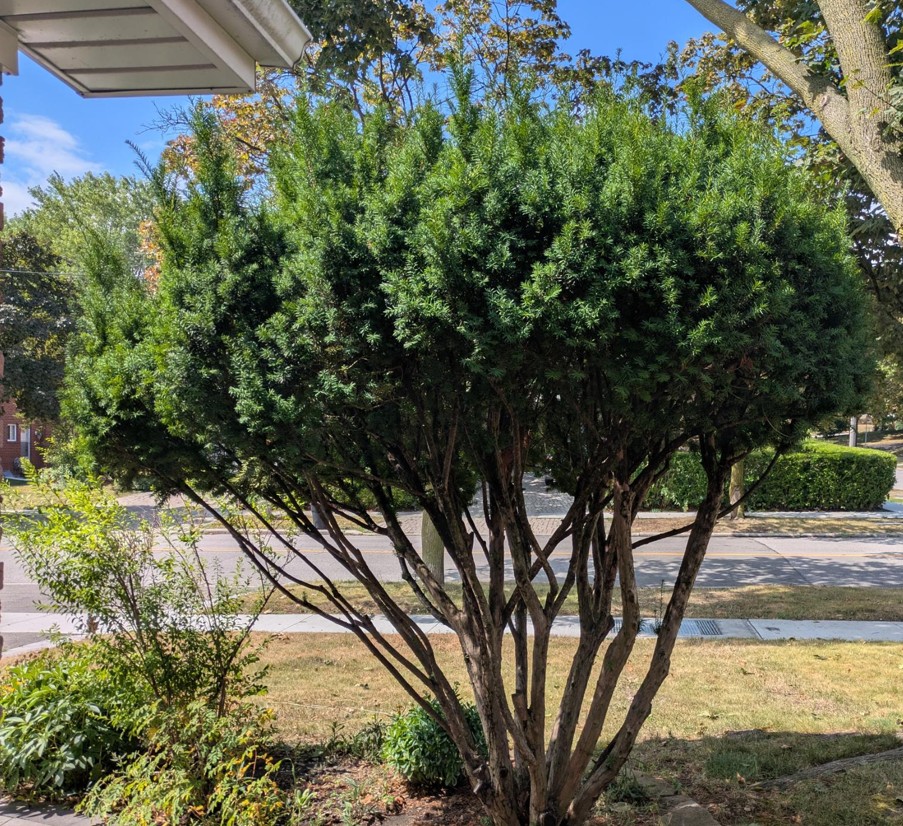
The plant in the photo appears to be a boxwood shrub (genus Buxus), most likely a cultivated evergreen variety that has been trained or pruned into a multi‑stem specimen with a dense, rounded crown. Boxwoods are widely used in landscapes around the world for formal hedges, sculpted topiary, and as standalone specimen trees. They have small, glossy green leaves and a compact growth habit, which makes them ideal for shaping and year‑round structure in a garden. While it can be difficult to identify a specific cultivar from a single image, the overall form—numerous slender trunks rising from a shared base, and a thick, dome‑shaped canopy of tiny, evergreen leaves—fits boxwood very well. The identification is given with high confidence (0.95) based on these characteristic traits, though keep in mind that other evergreen shrubs with similar foliage can resemble boxwood in certain pruning styles. Overview and key features - Growth habit: Boxwood is an evergreen shrub or small tree that often grows with multiple stems from the base, forming a compact, upright to rounded shape. In landscape practice, it is frequently pruned to maintain a formal look, but it can also be left to assume a more natural, multi‑stem silhouette as seen in the photo. - Foliage: Leaves are small, glossy, and opposite on the stems. They are typically a deep green hue, though some cultivars show lighter or more bluish tones. Leaves are usually 0.5–4 cm long depending on the cultivar, and they contribute to the shrub’s dense texture. - Bark and stems: The trunks are woody, brown or grayish, with smooth to slightly ridged bark. In a multi‑stem specimen, several trunks emerge from a common base, which adds to the plant’s architectural presence in the landscape. - Canopy and size: A boxwood trained as a specimen can reach 6–12 feet tall or taller, depending on cultivar and pruning, with a spread that matches or slightly exceeds its height. The crown tends to be very dense, offering a uniform, soft‑edged silhouette that is tolerant of frequent pruning. Cultural requirements and care - Light: Boxwoods tolerate a wide range of light conditions. They perform well in full sun to partial shade. In hot, southern climates, they benefit from some afternoon shade to reduce leaf scorch and water stress. In very shady spots, growth can become leggy and the foliage may lose its dense appearance. - Soil: Plant boxwood in well‑drained soil. They prefer a soil that is rich in organic matter with a neutral to slightly acidic pH (roughly pH 6.0–7.5). Heavy clay or poorly drained soils can lead to root problems and leaf issues; amend with organic matter and ensure adequate drainage. - Water: Boxwoods like consistent moisture, especially while establishing. Water deeply during dry periods, letting the top inch or two of soil dry between waterings. Once established, they are relatively drought‑tolerant but will still benefit from steady moisture during prolonged heat or drought. Avoid waterlogging, which promotes root rot. - Fertilization: Feed in spring with a balanced, slow‑release fertilizer (for example, a 10‑10‑10 or similar formula) to encourage even growth. Avoid overfeeding, which can lead to rampant growth that is more prone to pests and diseases, and can invite salt buildup if using fertilizers in poorly drained soils. A light top‑dressing of compost in spring can also improve soil structure and nutrient availability. - Mulching: Apply a 2–3 inch layer of organic mulch around the base of the plant to conserve moisture, suppress weeds, and regulate soil temperature. Keep mulch several inches away from the trunk to prevent rot and rodent access. - Pruning and shaping: Boxwood responds very well to pruning. For a natural, rounded multi‑stem look like in the photo, prune after the main growing season or in mild climates in late winter to early spring. If you’re aiming for a formal hedge or a very dense topiary, you can prune more aggressively in the growing season, but avoid heavy pruning in late summer or fall, which can stress the plant and reduce winter hardiness. - Winter considerations: In colder regions, boxwoods can suffer winter burn or dieback on exposed sides. Planting in a sheltered site, providing irrigation during dry spells in winter, and selecting more cold‑hardy cultivars can help. In hot climates, ensure some afternoon shade and consistent moisture to prevent drought stress in winter and summer alike. Common pests, diseases, and management - Boxwood blight (Calonectria pseudonaviculata): A serious fungal disease that causes dark lesions on leaves, tan or brown necrotic areas, and leaf drop. It can spread rapidly through tools, windborne spores, and contaminated plant material. Good sanitation is essential: remove and dispose of infected foliage, prune to improve air circulation, and clean tools between cuts. Fungicidal treatments may be used as a preventive measure or early in infection, but resistant cultivars and proper spacing to improve airflow are key preventive steps. - Boxwood mites and aphids: Tiny pests that can cause stippling, bronzing, and leaf curling. Horticultural oils or insecticidal soaps can help control mites and aphids on contact. In severe cases, systemic pesticides may be considered, but use them with caution and according to label directions. - Scale and other sap‑sucking insects: Scale insects can weaken a plant by feeding on the sap. Management often relies on horticultural oils or systemic insecticides, particularly if ants or honeydew are present. Inspect undersides of leaves and stem crotches for signs of insects or sooty mold. - Leaf miners: These pests create serpentine trails or blotches inside the leaf blades. They can be controlled by proper cultural care (adequate irrigation and nutrient balance) and, if needed, targeted insecticides. - General disease prevention: Avoid overhead watering to keep foliage dry and reduce disease pressure. Provide good air circulation through appropriate spacing and pruning. Remove and dispose of any diseased plant material promptly to minimize spread. Propagation and cultivar selection - Propagation: Boxwoods are commonly propagated from semi‑hardwood cuttings taken in late summer or early autumn, or from layered branches. Rooting can take several weeks to months depending on temperature and humidity. For faster results, some gardeners use treated cuttings with rooting hormone and maintain high humidity until roots form. - Cultivar choice: There are many cultivars of boxwood, with variations in leaf size, color, and growth habit. For a dense, rounded specimen like the one in the photo, cultivars such as Buxus sempervirens varieties or Buxus microphylla cultivars (often called dwarf or small‑leaf boxwoods) are common. Some cultivars are specifically bred for disease resistance, compact growth, or improved winter hardiness. When choosing a cultivar, consider your climate, sun exposure, and desired mature size. Landscape uses and design considerations - Specimen plant: As shown in the image, a boxwood can be trained as a multi‑stem specimen with a dense, sculpted crown. It provides a strong vertical element while maintaining a soft, green silhouette that complements flowering shrubs and perennials. - Hedging and edging: Boxwoods are classic choices for formal hedges or clean, low‑maintenance borders. They respond well to regular shearing to maintain straight lines or rounded forms. - Shade and microclimates: In hotter climates, plant where they receive some protection from the hottest afternoon sun. In cooler climates, they are quite hardy, though extreme cold winds can dry the foliage and cause dieback on exposed sides. - Maintenance rhythm: Plan a maintenance schedule that aligns with the plant’s growth pace. Slow‑growing boxwoods may only need a light shaping a couple of times a year, while faster‑growing cultivars in fertile soils may require more frequent pruning to maintain a desired form. Potential problems you might notice and how to respond - Leaf scorch in hot, dry summers: Ensure consistent watering, provide some afternoon shade if possible, and mulch to conserve moisture. Avoid overfertilization in heat, which can stress the plant. - Discoloration or bronzing in winter: This can be normal with some cultivars in very cold regions, but persistent browning or leaf drop could indicate winter burn, drought stress, or disease. Assess sun exposure, watering, and air circulation; prune out or reduce affected areas if needed. - Poor growth or thinning canopy: This can result from root competition, compacted soil, or disease. Check soil drainage, apply organic matter, and inspect for pests or pathogens. A light fertilization followed by proper watering can stimulate new growth. Bottom line Boxwood is a highly adaptable, evergreen shrub that lends structure and elegance to landscapes. The specimen in your photo—multi‑stemmed, with a dense, rounded crown—exemplifies how boxwood can serve as a striking focal point in a yard or garden bed. With proper site selection, soil preparation, irrigation, and timely pruning, a boxwood specimen will provide year‑round interest, privacy, and a sense of classic landscape refinement. While identifying the precise cultivar from a single image is challenging, the features you observe align closely with boxwood growth habits and maintenance needs. If you aim to keep the current shape or to develop a more formal hedge, following the pruning and care guidelines described above will help maintain a healthy, aesthetically pleasing plant for many years.
Identification Time
August 18th, 2025
Notice
The function of Plantypia is using AI, so it may be inaccurate. Please use it for fun and reference only.
A plant result page that leads to the next useful action
After checking the name, continue into official plant database results.