Grape vine (Vitis vinifera)
Description
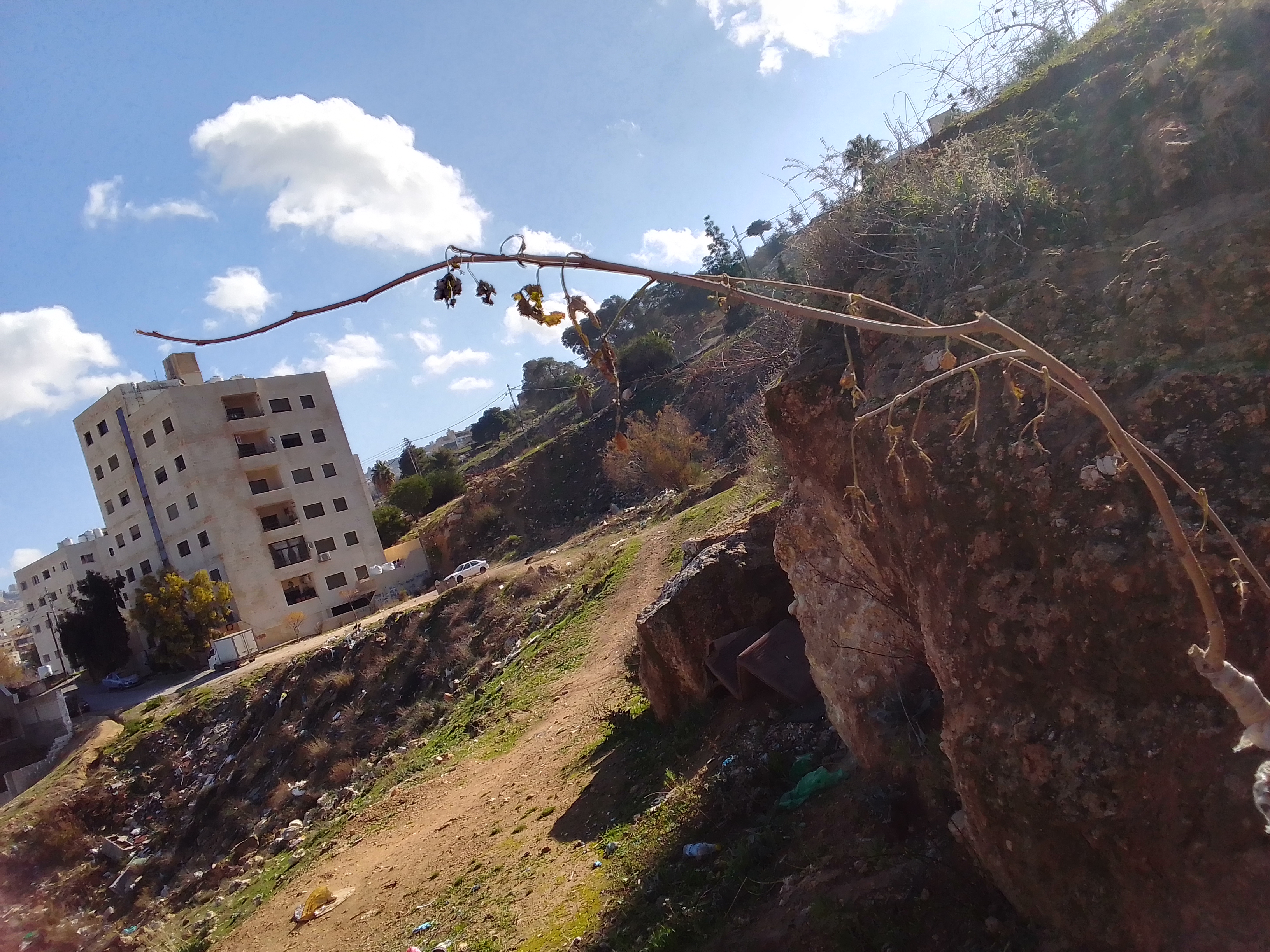
The plant in the image appears to be a grape vine, most likely Vitis vinifera, trained as a long, arching climber along a rocky slope near a residential area. The photo shows a single, thick cane bending over a rock, with several smaller, bare shoots and a few dried clusters or remnants along the stem. In late season, grape vines shed their leaves and small fruiting shoots, leaving exposed, skeletal wood much like what is visible here. The site—sloped ground, exposed stone, and a dry, sunlit backdrop—is a common setting for grape vines that are trained along natural supports or simple trellises. While it is difficult to see leaves or fresh growth in this particular shot, the structure and old fruiting remnants strongly point toward a grape vine rather than a herbaceous climber or a different woody vine. What is a grape vine? Grapevines are deciduous, woody climbers or trailing vines that can reach considerable length if given support. They produce a broad, lobed deciduous leaf and a tendril opposite each leaf, which helps the plant climb on trellises, fences, or rocks. In cultivated forms, the plant bears grape clusters that mature into edible fruit or are used for wine, juice, or dried forms like raisins. Many grape varieties are grown specifically for fruit quality, while others are valued for ornamental foliage and seasonal color. The pictured plant looks like a vigor-rich specimen that has been allowed to grow along a rustic support, which is a typical practice in arid or Mediterranean climates where grape vines thrive with plenty of sun and well-draining soil. Plant characteristics and anatomy. Grapevines form woody canes that become stiff with age. In the year of growth, new shoots emerge from latent buds on the canes; these shoots produce the leaves, tendrils, and fruiting units. Leaves are typically large, palmately lobed, and serrated along the edges, though newer ornamental or table grape cultivars can show a range of leaf shapes. Fruit develops in clusters from the vineyard’s flowering phase, following successful pollination. The old, dried remnants visible on the stem suggest past fruiting or leaf drop, which is normal for a deciduous plant after the growing season. The arching habit observed in the photo is a natural response to training and support, allowing the vine to spread across a slope or a simple arched structure without breaking under weight. Ecology and climate. Grapevines prefer full sun and warm temperatures, with long, hot growing seasons that allow fruit to ripen. They tolerate a range of soils but perform best in deep, well-drained soils with good water-holding capacity. In very rocky or sandy soils, they can still thrive if given adequate irrigation and mulch to conserve moisture. Their drought tolerance is moderate to good once established, but young vines benefit from regular moisture during their first few seasons. In arid climates, careful watering, mulching, and soil management help prevent sunburn on leaves and fruit and reduce weed competition. The plant is generally hardy to a range of temperatures but can be damaged by frost during bud break in early spring. Care and maintenance basics. A healthy grape vine requires a balance of sun, air flow, and a solid support system. If you are growing a grape vine in a landscape like the photo, consider the following core practices: - Site and support: Provide a sturdy trellis, wires, or natural supports to train the vine. Grapes need vertical and horizontal space to spread. A simple arched framework or a fence line works well, as long as the canes are secured and there is room for air movement to reduce disease risk. - Sun exposure: Aim for full sun (at least 6–8 hours of direct sun per day) for the best fruit set and ripening. In very hot climates, some afternoon shade can help prevent heat stress on young leaves. - Soil: Prefer well-draining soil. If your soil is heavy clay or very poor, amend with organic matter and consider raised beds to improve drainage and root development. Grapevines do not like soggy roots, which can lead to root rot. - Irrigation: Water deeply but infrequently to encourage deep root growth. Establishment requires more regular irrigation; once established, reduce frequency but do not allow the soil to dry completely between waterings during the growing season. - Fertilization: Grapevines typically do not require heavy fertilization. A balanced fertilizer applied in early spring before growth begins can support vigor. Avoid excessive nitrogen, which can promote lush foliage at the expense of fruiting. - Pruning and training: Pruning is the most critical cultural practice. In winter, prune to remove excess wood and shape fruiting canes. The aim is to leave a few well-spaced shoots that will bear fruit the following season. Training involves tying new growth to the support and guiding the canes along the trellis as needed. Pruning styles vary by cultivar and climate, but the general goal is to create a compact, productive framework with strong fruiting wood. Pruning details and timing. Pruning grapevines is a seasonal rhythm that affects both yield and fruit quality. In most temperate climates, winter pruning is done when the vine is dormant, typically in late winter to early spring before new growth begins. The exact method depends on whether the variety is a spur-pruned or cane-pruned type. Spur pruning removes a portion of the previous year’s growth to create short fruiting spurs, while cane pruning selects long canes to bear fruit. Understanding your cultivar’s growth habit is essential for optimal pruning. In warm climates, a pruning regime that encourages balanced fruit set and maintains vine vigor will help avoid overbearing fruit that the plant cannot support. A common approach is to leave several well-positioned canes as fruiting wood and remove the rest, then shorten shoots after fruiting to maintain a manageable canopy. Seasonal care and pest management. Grapevines can be susceptible to several pests and diseases, including powdery mildew, downy mildew, botrytis bunch rot, and various insects such as grape leafhoppers or moths. Effective management involves good air circulation, proper pruning, and, when needed, targeted fungicide applications following local agricultural guidelines. Preventive cultural practices include removing diseased leaves, securing canes to minimize rubbing, and ensuring the canopy is not overly dense. Regular scouting for pests and signs of disease helps catch problems early. In many home garden settings, integrated pest management (IPM) strategies, soil health maintenance, and careful water management are sufficient to keep plants healthy without heavy chemical input. Propagation and planting. Grapevines can be propagated from hardwood cuttings taken during winter or from layered shoots in spring. For beginners, starting with established plants from a nursery is often easier. Ensure you plant the vines at the correct depth, with the graft union (if present) just above soil level, and provide a trellis or support system from the start. If you’re growing two varieties, you can train them side by side to maximize space and cross-pollination for better fruiting. Varieties, use, and harvest expectations. Grapes come in numerous cultivars, broadly categorized as table grapes for fresh eating, wine grapes for fermentation, and specialized culinary or raisin varieties. Table grapes prioritize seedlessness, berry size, sweetness, and flavor, while wine grapes focus on grape composition for fermentation aromas and acids. In a landscape setting, a grape vine can supply edible fruit, shade, and ornamental value with its lush foliage, which adds seasonal interest as leaves turn colors in autumn. Fruit ripening time varies by cultivar and climate, but most grape varieties begin to produce edible fruit by late summer to early autumn in temperate regions. Harvesting at peak sugar content and flavor is essential for best quality; taste testing is the most reliable method rather than relying solely on calendar dates. Container and small-space considerations. If you’re working with a small garden or container growing, choose compact or spur-pruned varieties and use a strong genetic rootstock that suits your climate. Containers should be large enough to accommodate vigorous root systems, with good drainage. A sunny, wind-protected spot helps reduce water loss and leaf scorch. Regular irrigation and feeding with a balanced fertilizer will support growth, but avoid over-fertilization that can promote excessive vegetative growth at the expense of fruiting. Safety and environmental notes. Grapevines are generally safe for home gardens and landscapes when grown with basic care. They can become invasive if left unmanaged in some climates, so regular pruning and maintenance help keep them under control. In arid or rocky environments, consider erosion control implications and ensure the root zone remains moist but not waterlogged. Pruning wounds should be managed to minimize disease entry points, and sanitation—removing fallen leaves and pruned wood—helps reduce overwintering pests and pathogens. In summary, the plant in the photo most closely resembles a grape vine trained along a rocky slope. Its long arching canes, remaining dried growth, and evidence of old fruiting are consistent with Vitis vinifera in a sunny, well-drained setting. With proper sun exposure, soil management, and a routine of winter pruning and summer training, this plant can transition from a skeletal autumn character into a productive, fruit-bearing vine. Whether you use it for fruit, canopy cover, or simply as a Mediterranean-inspired landscape feature, grape vines offer a rewarding blend of horticultural challenge and edible harvest that many gardeners enjoy cultivating over many seasons.
Identification Time
January 12th, 2026
Notice
The function of Plantypia is using AI, so it may be inaccurate. Please use it for fun and reference only.
A plant result page that leads to the next useful action
After checking the name, continue into official plant database results.