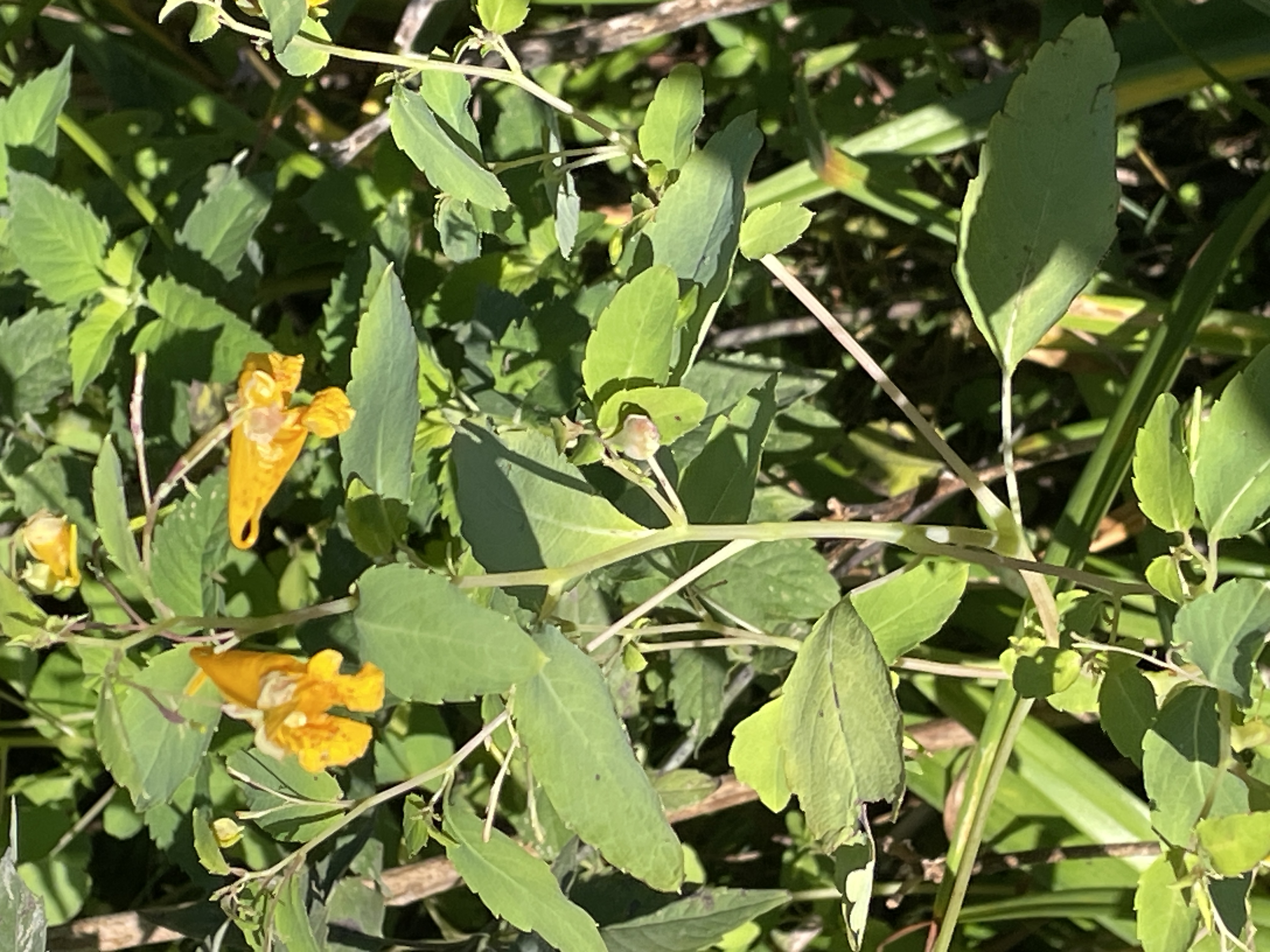
Cape honeysuckle (Tecoma capensis)
Description
The plant in the photo resembles a Cape honeysuckle, Tecoma capensis, a woody evergreen shrub native to the Cape region of South Africa. It is widely used in gardens around warm climates for its vibrant, tubular flowers and vigorous growth habit. In ideal conditions, it forms a dense, arching shrub that can reach 2 to 3 meters in height (sometimes wider), with a sturdy but flexible structure that makes it suitable as a hedge, screen, or ornamental focal point. The overall look is bright and leafy, with a long blooming period when conditions are favorable. It has a reputation for being relatively easy to grow and to prune, making it a staple in many subtropical and temperate-subtropical landscapes. The plant’s flowering is the most striking feature: clusters of bright, orange to yellow tubular blossoms that attract hummingbirds, butterflies, and other pollinators. The flowers are tubular and typically about 2 to 3 centimeters long, ending in five rounded lobes that flare outward, creating a sunny, trumpet-like appearance. In warm seasons the blossoms may appear almost continuously, producing a vibrant splash of color against the green foliage. The flowers are often borne in terminal clusters on new growth, giving the ends of stems a bright, bouquet-like display that stands out even from a distance. Leaves of Tecoma capensis are compound, usually opposite along the stem, and arranged as pinnate leaflets. Each leaf typically contains several leaflets (commonly 5 to 9), each leaflet being elliptic to lanceolate, about 2 to 5 centimeters long, with serrated margins. The leaflets are a glossy medium green, sometimes with a reddish tinge when new. The overall effect is a feathery, textured leaf that provides a nice backdrop for the bright flowers. In some photos, the individual leaflets may be mistaken for simple leaves, but a closer look usually reveals the compound arrangement typical of this species. The plant’s stems are slender to moderately woody, with a habit of producing new growth at the tips where flowering occurs. Growing conditions and care: - Light: Tecoma capensis performs best in full sun but tolerates light shade. More sun generally means more flowers; in very hot climates afternoon shade can help prevent leaf scorch. - Soil: It prefers well-draining soil and is adaptable to a range of garden soils, from loamy to sandy. It can tolerate moderate salinity, which makes it suitable for coastal gardens. - Water: Establishment requires regular watering. Once established, it is relatively drought-tolerant, though deep watering during extended dry periods will promote better flowering and overall vigor. Avoid consistently waterlogged soil, which can lead to root problems. - Temperature and frost: This plant is frost-sensitive. In cooler climates or during cold winters, it may die back to the ground and resprout in spring, or it may fail to survive. In frost-free regions, it behaves as a reliable evergreen shrub. - Fertilizer: Use a balanced, slow-release fertilizer in spring to support new growth and flowering. Avoid high-nitrogen/fertilizer regimes that push foliage growth at the expense of blooms. A light feeding every 6–8 weeks during the growing season can be beneficial in poor soils. - Pruning and maintenance: Pruning after flowering helps maintain a compact shape and encourages new flowering wood. Light annual pruning removes old, leggy growth and stimulates fresh growth. In climates where it winters outdoors, a more aggressive cut after flowering can help keep the plant compact and blooming vigorously the following season. If grown in containers, pruning is even more important to manage size and promote flowering. - Propagation: Semi-hardwood cuttings taken in late spring to early summer root readily in a well-draining medium. Layering is another effective method, especially for larger plants. Seed is produced after flowering, but germination can be variable and slower; cuttings are generally preferred for maintaining cultivar traits. - Pests and diseases: The plant is generally hardy but can be attacked by common garden pests such as aphids, whiteflies, and spider mites. Insecticidal soap, neem oil, or horticultural oil can manage these problems. Root rot can occur if the soil is poorly drained or kept overly wet, so ensure good drainage and avoid waterlogged pots. Powdery mildew is uncommon but can occur in very humid or crowded conditions; good air circulation helps prevent this. - Propagation in containers: When grown in pots, choose a large, well-draining container with fresh potting mix. Repot every couple of years or when roots become crowded. Container culture may require more frequent watering and feeding. Ecology and ornamental value: - Pollinators: Cape honeysuckle is highly attractive to hummingbirds and butterflies, making it a popular choice for pollinator gardens. Its long bloom period provides ongoing nectar sources throughout the growing season. - Garden design: It is frequently used as a specimen shrub, a hedge, or a screening plant due to its dense foliage and vertical to arching growth habit. The orange-to-yellow blossoms create a striking contrast against green leaves, and the plant’s overall vigor adds year-round structure to a garden. - Invasiveness and regional considerations: In some warm, tropical to subtropical regions, Tecoma capensis can spread beyond its original boundaries and may become invasive if not properly managed. It can self-seed and establish in disturbed sites. Gardeners in regions with strict plant-import or invasive-species controls should check local guidelines and consider containment or alternatives if required. Cultural and practical tips: - Choosing a site: For best results, plant where the shrub has room to grow without crowding. Full sun to light shade suits most cultivars. Plant in a location with good air circulation to reduce the risk of foliar disease and to promote healthy flowering. - Watering strategy: Water deeply in dry periods, particularly during first establishing year. A mulch layer helps conserve moisture and suppress weeds, while also moderating soil temperature. - Pruning schedule: If you want a dense, flowering hedge, prune after primary flowering waves, removing one-third to one-half of the older growth. For more dramatic reshaping, you can prune more aggressively after flowering, but be mindful of blooming patterns since many winter or early-spring blooms depend on new growth. - Seasonal care: In regions with winter frost, plan for protection or seasonal dormancy. In mild areas, this plant can be evergreen year-round, but frost can temporarily reduce flowering until new growth resumes. - Companion planting: Pair Tecoma capensis with other heat-tolerant shrubs such as lantanas, bougainvillea, and agaves to create a warm, Mediterranean or tropical garden feel. Its bright blossom color pairs well with dark foliage and with complementary colors like purples and blues in nearby plantings. - Pruning mistakes to avoid: Avoid overly heavy pruning during the growing season, as this can suppress flower production. Also ensure soil and pots have excellent drainage, as sustained wet conditions can lead to root rot and decline in vigor. Overall, Tecoma capensis is valued for its reliable color, ease of care, and ability to attract pollinators. Its performance in garden beds, borders, or larger containers makes it a versatile choice for sunny, warm climates. When properly sited and cared for, Cape honeysuckle provides a long-lasting display of warm, cheerful blooms that can brighten corners, create privacy screens, or serve as an inviting focal point in the landscape. While it’s generally a robust plant, mindful pruning, appropriate watering, and preventive pest management will maximize flowering and longevity, ensuring this ornamental shrub remains a healthy, attractive part of the garden for many seasons.
Identification Time
August 25th, 2025
Notice
The function of Plantypia is using AI, so it may be inaccurate. Please use it for fun and reference only.
A plant result page that leads to the next useful action
After checking the name, continue into official plant database results.