Vicks plant (Plectranthus tomentosa)
Description
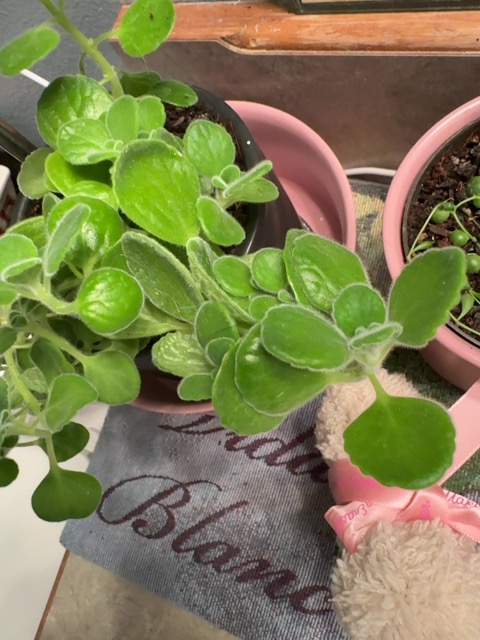
The plant shown in the photo closely resembles a Vicks plant (Plectranthus tomentosa), a small, fuzzy-leaved shrub in the mint family. It is a popular houseplant and trailing plant for containers, appreciated for its velvety foliage and easygoing growth. In some homes it is also confused with Cuban oregano (Plectranthus amboinicus) because both have soft, aromatic leaves, but the Vicks plant typically has smaller, more delicate leaves and a distinct camphor/menthol scent when the foliage is crushed. The pictured plant features opposite pairs of small oval to rounded leaves along square stems, with a soft, fuzzy texture that gives the foliage a pale, velvety appearance. The leaves are bright green, compact, and lightly scalloped at the margins, and the plant forms a dense mat that can trail if grown in a hanging basket or permitted to scramble along a shelf. Morphology and characteristics: - Leaves: Simple, opposite, ovate to almost rounded, 0.5–2 cm long in many cultivated forms. The leaf surface is densely pubescent (covered with tiny hairs), producing a soft, fuzzy feel and a slightly muted, dull-green color. Margins are gently scalloped rather than sharply serrated. The aroma released when leaves are crushed is strong and camphor/menthol-like. - Stems: Square, typical of the mint family, with a branching habit. Stems are flexible and can root when they contact moist soil, aiding spread and fullness. - Growth habit: A compact to cascading shrub that can stay fairly small indoors but will creep and fill a container if given room. In warm climates it can grow more robustly as a ground cover or low hedge. - Foliage color and texture: The leaves have a soft, velvety appearance due to the hair covering, which sometimes gives the foliage a slightly gray-green cast in brighter light. New growth is often brighter green. - Hardiness: Not frost-tolerant. It thrives in warm temperatures and does best in bright, indirect light. In cooler homes or during winter, growth slows down but can rebound with increased light and warmth. Origin and context: Plectranthus tomentosa is a tropical-subtropical plant native to parts of Africa and the Indian Ocean region. It is widely grown as a houseplant and outdoor ornament where the climate remains warm. Because it is easy to propagate from cuttings and tolerates a range of indoor conditions, it is a favorite for beginners and seasoned plant lovers alike. The compact habit, aromatic foliage, and low-maintenance needs make it a versatile choice for windowsills, shelves, or hanging baskets. Care and culture: how to grow a healthy Vicks plant Light: - Provide bright, indirect light for best growth. A sunny east- or west-facing window is ideal. Some direct morning sun is fine, but strong, hot noonday sun can scorch the leaves, especially on young plants. In very low light, the plant may become leggy and lose its compact form. Temperature and humidity: - The Vicks plant prefers warm temperatures, typically between 60–85°F (15–29°C). It is not frost-tolerant, so protect it from cold drafts and freezing nights. Moderate humidity is sufficient, but slightly higher humidity helps keep the fuzzy leaves healthy; occasional misting or a small humidity tray can help in dry indoor environments. Soil and potting: - Use a well-draining potting mix. A standard houseplant mix amended with a bit of perlite or pumice to improve drainage works well. Ensure the pot has drainage holes to prevent waterlogging, which can lead to root rot. Watering: - Water when the top inch of soil feels dry to the touch. The plant does not like soggy soil, so ensure thorough watering followed by a good drainage period. In winter, reduce watering further as growth slows. Let the potting mix dry slightly between waterings to avoid root rot. Fertilizing: - Feed lightly during the growing season (spring through summer) with a balanced, water-soluble fertilizer at half strength every 4–6 weeks. Do not over-fertilize, as excessive fertilizer can encourage leggy growth and weak развит plants. Pruning and training: - Regular pinching of the growing tips promotes bushier, denser growth and helps maintain a compact form. If the plant becomes leggy, trim back the stems to encourage lateral branching. You can also propagate the fresh cuttings to produce new plants and fill containers more quickly. Propagation: - Stem cuttings are the easiest way to propagate. Take 4–6 inch cuttings from healthy growth, remove the lower leaves, and place in moist potting mix or in water until roots form. Rooting typically occurs in a few weeks. This is a quick and reliable way to create new plants for sharing or for expanding your collection. Pests and problems: - The Vicks plant can occasionally attract common houseplant pests such as mealybugs, spider mites, and scale insects. Keep an eye on leaves for sticky residues, webbing, or cottony growth. Treat infestations with a gentle insecticidal soap or neem oil, and increase air circulation and humidity to deter mites. Overwatering can lead to root rot and fungal issues, so ensure proper drainage and avoid letting the plant sit in soggy soil. - Sunburn is possible if exposed to intense direct sun; if you notice pale or bleached spots on leaves, move the plant to a location with bright but indirect light. Winter care: - In cooler months, growth slows. Maintain consistent warmth and light, reduce watering, and avoid placing the plant near chilly windows or sources of cold drafts. If kept outdoors in mild climates, provide some shade during peak heat to prevent leaf scorch. Companion planting and design tips: - The Vicks plant pairs well with other mint-family plants, trailing succulents, and colorful annuals in mixed containers. Its compact, bushy habit makes it an excellent anchor plant in a hanging basket or as a filler around larger houseplants. The velvety texture adds visual contrast to glossy-leaved species. Grooming and care routine suggestions: - Rotate the plant periodically to ensure even light exposure and a uniform growth pattern. - Remove dead or damaged leaves to keep the plant looking tidy and to prevent pest harboring. - Repot every 1–2 years or when roots fill the current pot. Choose a slightly larger pot with good drainage. Edibility and safety: - The leaves are aromatic but not typically consumed as a culinary herb. They can be used to add fragrance in potpourri or sachets, though ingestion is not advised in large amounts. If you have pets or small children, monitor their interaction with the plant, as many Plectranthus species can cause mild stomach upset if ingested in quantity. Species identification notes: - Plectranthus tomentosa and its close relatives (including Plectranthus amboinicus) share fuzzy, aromatic foliage and a similar growth habit. Differences can include leaf size, scent profile, and subtle leaf shape. If you are unsure which exact species you have, look for the scent when you crush a leaf (camphor/menthol-like for tomentosa; oregano-like for amboinicus) and compare leaf size and margin texture. In many retail settings, distinguishing between these cousins is based on scent, leaf size, and growth habit rather than a single definitive trait. Regardless of the exact species, the care requirements described here will broadly apply. In summary: - The plant in the photo is best described as a fuzzy-leaved Plectranthus, most consistent with a Vicks plant (Plectranthus tomentosa) type. It is a low-maintenance, aromatic houseplant that can brighten sunny windowsills and hanging baskets alike. With bright light, careful watering, occasional pruning, and simple propagation, this plant rewards with lush, velvety foliage, pleasant scent when touched, and a cheerful, compact presence in many indoor spaces.
Identification Time
January 14th, 2026
Notice
The function of Plantypia is using AI, so it may be inaccurate. Please use it for fun and reference only.
A plant result page that leads to the next useful action
After checking the name, continue into official plant database results.