Bay Laurel (Laurus nobilis)
Description
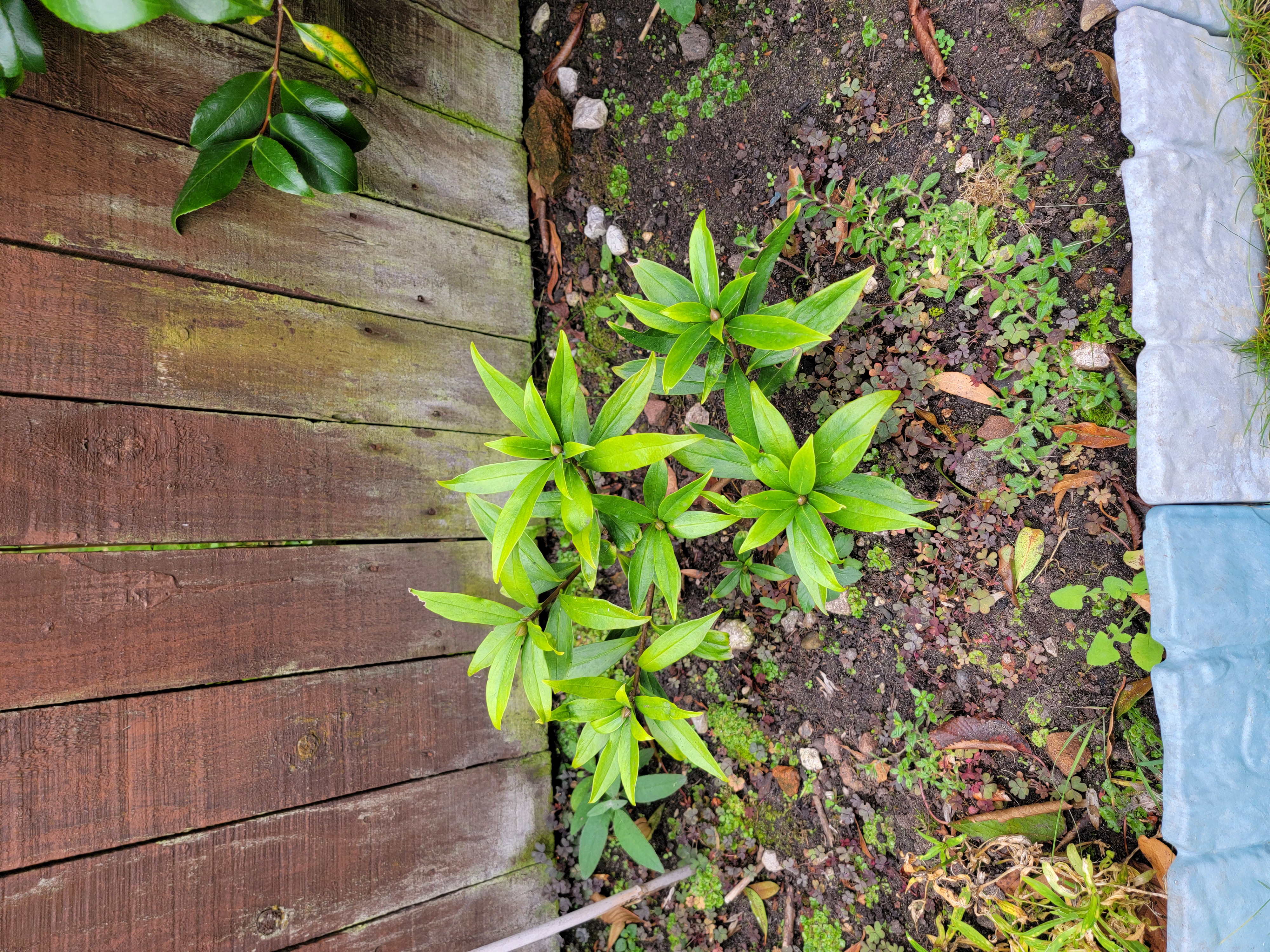
The plant in the photo appears to be a young bay laurel, Laurus nobilis. This evergreen shrub or small tree is prized for its aromatic, glossy leaves that are widely used as a culinary herb. In its early stages, bay laurel grows as a compact, upright plant with slender woody stems and clusters of lanceolate leaves that emerge in bright lime-green hues before thickening and darkening as they mature. Leaves are typically 6–12 cm long and 2–4 cm wide, with a smooth, leathery texture and a distinct, pleasant fragrance when crushed. The leaf margins are mostly entire (smooth), and the leaf tip tapers to a fine point, giving the plant its characteristic refined, evergreen silhouette. Young growth often presents as a tuft or rosette of new leaves at the ends of shoots, which is what you’re seeing in the photo: a shooting tip with several leaves radiating from a single node, followed by longer internodes as the stem elongates. While the plant’s overall look can vary with cultivar and climate, the classic bay laurel remains instantly recognizable for its evergreen habit, aromatic foliage, and use in the kitchen. Host to a Mediterranean origin, bay laurel is commonly grown as a hedge, specimen shrub, or container plant in gardens around the world. Outdoors, well‑established bay laurels can reach several meters in height and spread, while in pots they stay compact and slow‑growing, which makes them particularly suitable for patios or small spaces. The plant’s popularity is not merely ornamental; the leaves are harvested for flavoring soups, stews, sauces, and meat dishes, and dried leaves are often used for bouquet garni. The plant’s aroma, when the leaves are crushed, tends to be resinous, slightly camphoraceous with a hint of pine and spice, which is a sign of essential oil presence within the leaf. Cultivation and care considerations: Light and location - Bay laurel thrives in bright, full sun. In the garden, it loves a south- or west-facing exposure that provides several hours of direct sun daily. In cooler climates, it will still prefer as much sun as possible to maintain compact growth and robust foliage. - In containers or indoor settings, place it near a bright, sunlit window (ideally a south-facing site). If light is insufficient, growth can become leggy and the plant may drop older leaves. Soil and planting media - This plant prefers well-draining soil with a neutral to slightly alkaline pH. A mix that drains readily but holds some moisture—such as a standard potting mix amended with perlite or coarse sand for containers—works well. - Avoid heavy clay soils that retain water around the roots, as bay laurel does not appreciate waterlogged conditions. Watering and humidity - When establishing, water regularly to keep the root zone evenly moist but not soggy. The top inch of soil should dry slightly between waterings. - Once established, bay laurel is relatively drought-tolerant but performs best with consistent moisture, especially in warm, windy, or indoor environments where air can be dry. - In hot or dry periods, increase watering and consider providing a light misting or placing the plant on a humidity tray if grown indoors. Temperature and humidity tolerance - Bay laurel is a Mediterranean plant and prefers warm conditions. It generally tolerates typical garden temperatures well but is frost-sensitive. Outdoor plants in hardiness zones 8–11 (roughly where winters are mild) can remain evergreen year-round; in colder zones, bay laurel should be grown in a container and moved indoors during freezing weather. - If exposed to prolonged frost, growth may be damaged or leaves may yellow and drop. In winter, protect from cold winds and provide a bright, cool, but frost-free location if possible. Fertilizing - Bay laurel benefits from light feeding in the growing season. Apply a balanced, slow-release fertilizer in spring or feed with a half-strength water-soluble fertilizer every 4–6 weeks during active growth. - Avoid over-fertilization, which can lead to excessive vegetative growth at the expense of leaf flavor and overall plant health. Use compost or well-rotted organic matter to improve soil quality when possible. Pruning, shaping, and training - Pruning is an important aspect of bay laurel care. Regular, light pruning encourages a denser, bushier shrub and helps prevent leggy growth. Prune after the main harvest period or in late winter/early spring before new growth begins. - To maintain a compact hedge or formal shape, trim the outer growth to the desired silhouette. You can also selectively prune to maintain a tree-like form with a clear central leader. - When pruning, aim to cut back just above a leaf node to encourage new shoots. Remove any dead, damaged, or crossing branches to improve air circulation and reduce disease risk. Propagation - Bay laurel is commonly propagated from semi-hardwood cuttings taken in late summer or early autumn. Cut a 4–6 inch (10–15 cm) piece from a healthy, non-flowering shoot, remove lower leaves, dip the cut end in rooting hormone, and place in a well-draining rooting medium kept evenly moist. - Rooting typically takes several weeks to a few months, depending on conditions. Layering can also work, especially for larger, more established plants. Pests and diseases - Bay laurel is relatively hardy but can suffer from common garden pests such as scale insects, aphids, or mealybugs. Whiteflies may occur in greenhouse or indoor settings. - Overwatering can lead to root rot and fungal problems. Ensure good drainage and avoid waterlogged soil. - Leaf spot or other fungal issues can arise in humid conditions with poor air circulation; providing proper spacing, pruning for airflow, and avoiding overhead watering helps prevent these problems. Harvesting and culinary use - Leaves can be harvested at any time once the plant is established, but for best flavor, harvest mature, well-formed leaves from the outer portions of the plant. Fresh leaves are used to flavor soups, stews, sauces, braises, roasted meats, and vegetables. They impart a distinctive aromatic note and blend well with many spices and herbs. - Dried bay leaves retain aroma for a long period, but their essential oils diminish somewhat when dried. If you prefer dried leaves, harvest them in a dry, warm area and store in an airtight container away from light. - When using fresh leaves, remove them before serving if you don’t want a strong flavor in the dish or if the dish requires a milder infusion. Bay leaves are not typically eaten whole due to their tough texture. Common issues and troubleshooting - Yellowing leaves can indicate overwatering, poor drainage, or nutrient deficiency. Check the soil moisture, ensure proper drainage, and adjust watering and fertilization accordingly. - Leaf scorch or browning at the edges can result from sun scorch in very hot locales or from underwatering. Increase irrigation during heat spells and gradually acclimate the plant to bright sun if moving from indoors to outdoors. - Leggy growth is often a sign of insufficient light. If grown indoors, move the plant to a brighter location or provide supplemental lighting. - Pests such as scale insects may appear as small, waxy bumps on the stems or leaves. Treat with horticultural oil, insecticidal soap, or systemic insecticides if necessary, and prune heavily infested shoots if feasible. Notes on safety and sustainability - In general, bay laurel is safe for culinary use when leaves are harvested and prepared correctly. However, always ensure you are confident in plant identification, because some ornamental shrubs may look similar but are not suitable for culinary use. If you are growing bay laurel in a region where winter temperatures drop below freezing, consider growing the plant in a container so you can protect or move it as needed. - Bay laurel is a relatively low-maintenance plant when positioned in well-drained soil and given bright light. It does not require constant attention, but periodic pruning, feeding, and pest checks will keep it healthy and productive. In summary, the plant in your photo most closely resembles a bay laurel, a versatile evergreen shrub prized for its fragrant, flavorful leaves and its adaptable growth habit. With proper light, soil, and moisture conditions, it will form a sturdy, ornamental plant that can also supply fresh leaves for cooking. Whether grown as a small potted specimen or as a garden hedge, bay laurel rewards careful pruning, routine care, and occasional feeding with a reliable, year-round supply of aromatic foliage.
Identification Time
October 12th, 2025
Notice
The function of Plantypia is using AI, so it may be inaccurate. Please use it for fun and reference only.
A plant result page that leads to the next useful action
After checking the name, continue into official plant database results.