Common lamb's-quarters (Chenopodium album)
Description
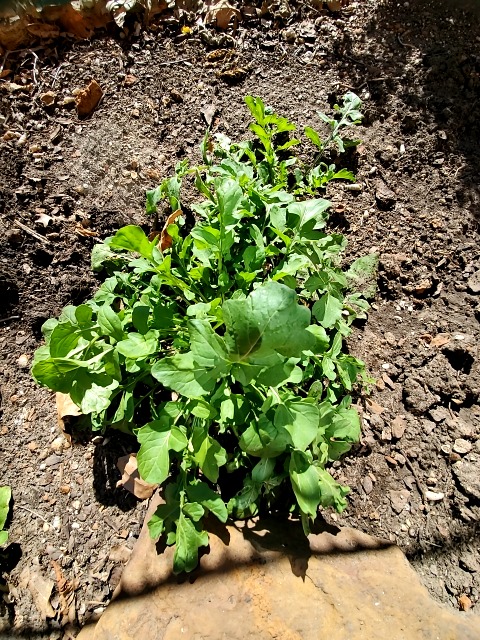
The plant in the photo resembles a young common lamb’s-quarters, also known as goosefoot (Chenopodium album). This is a widespread annual weed that thrives in disturbed soil and can pop up in gardens, compost piles, and along paths. In its early stages it often forms a compact clump with multiple leafy stems, as seen in your image. The leaves are the most diagnostic feature: they are variable in shape but typically alternate along the stem, with the lower leaves usually larger and more rounded or broadly ovate, and the upper leaves smaller, sometimes with shallow lobes or a triangular-to-dingy rhombic appearance. The leaf margins are gently toothed or wavy, and the leaf surface is often smooth or slightly mealy, especially on new growth. Younger growth can appear a bit pale or bluish-green, while sun-exposed plants may take on a brighter, more intense green. The stems are slender, flexible, and may be green to pale red, especially toward the base or in sunlit conditions. The plant photos to our eye show a dense rosette of leaves at the base with multiple branching stems rising upward, a common habit for a young Chenopodium before it begins to flower. If allowed to grow, this species typically becomes more upright and can reach a meter or more in height under ideal conditions, with numerous small green flowers clustered in dense panicles at the ends of the branches. The seeds are tiny, round, and dark, and can persist in soil for years, enabling resprouting even after pulling. While other look-alikes exist, the combination of a sprawling to upright habit, highly variable leaf shapes, and a dull or slightly powdery leaf surface strongly points to Chenopodium album in many parts of the world. Key identifying notes and variations: - Leaves: alternate, variable in outline from broadly ovate to diamond-shaped or with shallow lobes. Lower leaves are larger; upper leaves are smaller and can be more lobed or pointed. Leaf margins are often slightly wavy or toothed. - Surface: a light waxy bloom or fine powder on some varieties, giving a pale or glaucous appearance, especially on new growth. - Stems: slender, green to reddish; often branched; can exude a faint mealy texture when touched. - Growth form: an annual or short-lived perennial in some very mild climates, typically forming a dense clump in the first season. - Flowers and seeds: inconspicuous green flowers in dense clusters; seeds are small and dark, capable of surviving in soil seed banks for years. Habitat and ecology: Chenopodium album is a classic disturbance-loving weed. It tolerates a wide range of soils, from sandy to loamy, and even poor, drained soils. It prefers full sun but will tolerate light shade. It is especially common where the soil has been recently tilled, disturbed, or enriched with nitrogen (such as compost piles, fertilizer-rich beds, or along the edges of gardens and fields). In warm climates it can quickly establish in late spring and summer, and because the plant produces many seeds, it can spread rapidly if not managed. Life cycle and reproduction: This species is generally an annual, completing its life cycle within a single growing season. It germinates in spring or early summer, grows rapidly, and can be ready to flower within two months under favorable conditions. Once flowering begins, seeds mature quickly and drop to the soil, forming a seed bank that can persist for several years. Because it is highly adaptable, you may encounter second and even third flushes of growth in a single season if conditions stay favorable, which makes timely removal important if you don’t want it to spread. Edible and medicinal uses (with cautions): Historically, many cultures have eaten lamb’s-quarters as a leafy green. The young leaves and shoots can be cooked as a spinach substitute, sautéed, steamed, or added to soups and stews. They have a mild to slightly earthy flavor, which can become bitter as the leaves mature. The leaves contain minerals (including calcium, iron, and magnesium) and can contribute to a varied diet when prepared properly. Seeds from Chenopodium album are small and have historically been used as a grain-like food in some regions (though this is not as common today outside traditional or local cuisines). Like other members of the chenopodium family, the leaves can contain oxalic acid and nitrates, especially in plants exposed to ample sunlight or high nitrogen. This means overly mature plants or those grown in rich soil may be less pleasant to eat raw. To minimize any potential issues, harvest young, tender leaves, cook them thoroughly, and alternate with other greens. People with iodine sensitivity or certain kidney concerns should consult advice before consuming large quantities due to the plant’s mineral content and oxalates. In ornamental or edible-garden contexts, many growers prefer to plant only a small number of plants or harvest frequently to maintain leaf quality. Care and management in the garden: - If you want to keep this plant for edible greens, select a small number of vigorous plants and provide them with sunny, well-drained soil. A lightly fertile, loamy bed works well. Water consistently but avoid waterlogging, as Chenopodium does not tolerate standing water. - For weed control, the simplest approach is to prevent seed set. Regularly pull young plants by hand, particularly before they flower and form seed heads. Mulching around the base of vegetables and in beds can suppress germination and reduce new weed growth. - If you prefer not to see it in your garden, control methods include mechanical removal (pulling with roots intact, especially when the soil is moist), mulching to block germination, and, in larger landscapes, targeted herbicides labeled for broadleaf weeds. Be mindful of herbicide labels and timing, especially in edible gardens where you harvest greens. - Propagation is by seed. Seeds ripen in late spring to early summer and can persist in the soil for years. To prevent re-emergence, collect or allow seed heads to dry only if you want them to reseed; otherwise, remove and dispose of seed heads before they split. - Maintenance and rotation: because this plant thrives in rich, disturbed soil, consider a crop-rotation approach or interplanting with dense groundcovers and cover crops that compete for light and nutrients. This reduces opportunities for seedlings to establish. - Pests and diseases: in home gardens, common pests include aphids and caterpillars; powdery mildew may appear in humid conditions. Good air circulation, proper spacing, and avoiding overhead watering help reduce disease risk. In most cases, a strong, healthy plant stands up well to normal garden pests. Practical tips for identification and confirmation: - If you see a plant with variable leaves that range from broad to lobed, a dull green surface, and multiple upright stems arising from a central clump in disturbed soil, it is worth checking for common lamb’s-quarters. - Compare not only leaf shape but leaf texture and stem color. The presence of a light powdery bloom on new growth and the characteristic seed production in the upper parts of the plant are strong clues. - If you are still unsure, consider photographing and comparing with regional weed guides or consulting a local extension service. Chenopodium identification can be tricky because of intraspecies variation, but the combination of habit, leaf morphology, and habit of seeding in disturbed soil is quite distinctive. Ecological and culinary context: This plant is not generally considered dangerous; rather, it is a resourceful weed that has played a role in traditional diets and folk medicine in various cultures. In organic and foraged gardening, it is sometimes welcomed as a perennial part of the plant community, offering edible greens and nectar for beneficial insects when flowering. In more formal garden settings, some gardeners choose to remove it to minimize competition with crops. Its rapid growth and prolific seed production make it a valuable species for understanding succession dynamics in disturbed habitats. Summary and practical takeaway: The plant in your photo most closely matches common lamb’s-quarters, a hardy annual weed known for its variable leaf shapes, dense basal foliage, and ability to thrive in disturbed soils with minimal care. While it tolerates neglect and harsh conditions, it can produce a lot of seeds if left unmanaged, so regular removal is an effective control strategy in cultivated beds. If you’re interested in edible greens, you can harvest young leaves and cook them as you would spinach, taking care to use moderate quantities and to cook thoroughly to reduce any potential oxalate content. Whether you view it as a weed to pull or as a potential green to harvest, understanding its growth habit, preferred conditions, and reproductive strategy will help you manage it effectively in your garden.
Identification Time
February 21st, 2026
Notice
The function of Plantypia is using AI, so it may be inaccurate. Please use it for fun and reference only.
A plant result page that leads to the next useful action
After checking the name, continue into official plant database results.