Spearmint (Mentha spicata) - a common mint
Description
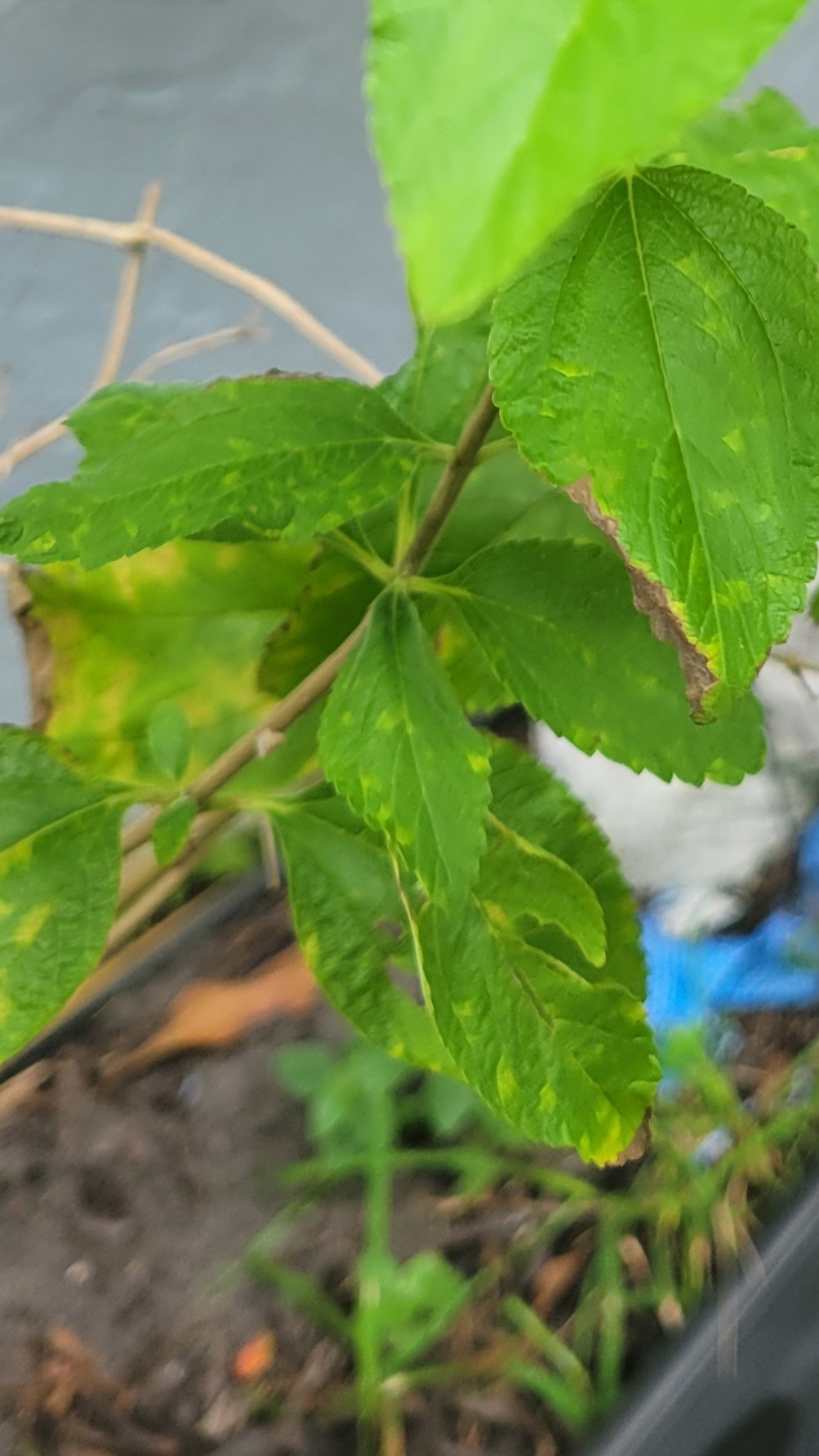
The plant in the photo resembles a mint, most likely a Mentha species such as spearmint (Mentha spicata). Mint is a perennial herb known for its aromatic leaves and square stems. It is widely grown in gardens and containers for culinary, medicinal, and ornamental uses. While a photo can’t confirm every detail, the leaves shown—opposite on the stem, simple (not compound), with serrated margins and a bright green color—are characteristic of many Mentha cultivars, and spearmint is one of the most common garden forms. If your plant has a distinct mint scent when the leaves are crushed, that would further support this identification. Below is a thorough overview of spearmint’s features, growing needs, care routines, and practical tips to get the most from this versatile herb. Morphology and identification cues: - Leaves: Opposite pairs, simple, ovate to lanceolate, 2–9 cm long, with serrated (crenate) margins. The leaf surface is typically slightly wrinkled and medium-green, sometimes with a lighter midrib. When crushed or brushed, spearmint leaves emit a characteristic cool, minty aroma. - Stems: Square in cross-section (a common trait in the mint family, Lamiaceae). Stems are often reddish-tinged and can be somewhat hairy, depending on the cultivar. - Growth habit: A creeping, clumping perennial that can spread aggressively through shallow rhizomes. In ideal conditions, it forms a dense mat of foliage and can readily spread beyond its planted area if not contained. - Environment: Thrives in full sun to partial shade and prefers consistently moist, well-drained soil. It is tolerant of a range of soils but performs best in enriched, loamy soil with good organic matter. Where spearmint fits in the garden: - Culinary use: Spearmint is a kitchen staple for teas, mojitos, sauces (like mint chutney), salads, and desserts. It has a milder, sweeter taste compared with peppermint, making it a favorite for fresh applications. - Landscaping: It can be used as a fragrant edging plant or a ground cover in borders when confined to a container or a dedicated bed due to its spreading habit. - Habitat: It attracts pollinators and can be a pleasant scent in the herb garden, especially when grown near seating or kitchen windows. Care and cultural needs (how to grow and maintain spearmint): - Light: Prefers full sun to partial shade. In very hot climates, some afternoon shade helps prevent leaf scorch and maintains product quality. - Soil: Likes rich, well-drained soil with consistent moisture. A slightly acidic to neutral pH (about 6.0–7.0) is ideal, but it is quite adaptable. - Watering: Keep the soil evenly moist. Do not allow the soil to dry out completely between waterings, as stressed leaves can lose flavor and vigor. In potted plants, daily or every-other-day watering may be necessary in hot weather. - Container planting and containment: Mint is famously vigorous and can become invasive through its spreading rhizomes. Growing spearmint in a large, deep container or in a dedicated, contained bed helps prevent unwanted spread. You can also plant mint in a pot with a shallow pot-in-pot setup or install underground barriers to limit rhizome movement. - Fertilization: Mint isn’t heavy feeder. A light top-dressing with compost or a balanced organic fertilizer in spring supports vigorous growth, followed by light feeding as needed. Avoid over-fertilization, which can produce lush foliage with diminished flavor. - Pruning and shaping: Regular pruning encourages bushier growth and longer harvesting periods. Pinch back flowering shoots to prolong leaf production and prevent the plant from diverting energy into seed production. If growth becomes leggy, prune back the oldest wood to encourage new leaves from the base. - Temperature and dormancy: Spearmint is hardy in many regions and can tolerate cooler winters. Above-ground growth may die back in cold seasons, but the plant often reemerges from the root system in spring. In extremely warm climates, some shade and mulch help maintain vigor. - Propagation: Spearmint reproduces easily by division, stems rooted in moist soil, or cuttings. To propagate, take fresh cuttings and place them in water or moist potting mix until roots form. Division can be done in spring or autumn by gently separating clumps and replanting them in another pot or garden spot. - pests and diseases: Common pests include aphids, spider mites, and whiteflies. Powdery mildew can appear in crowded, humid conditions. Symptoms such as sticky honeydew, leaf curling, or mottling may indicate pest activity. Control measures include rinsing with water, insecticidal soap, and ensuring good air circulation. Regularly inspect plants, especially in greenhouse or dense plantings. Disease issues are less common if plants are not overly stressed and have adequate airflow and moisture management. Harvesting and use tips: - Harvesting: For the best flavor, harvest leaves just before the plant flowers. Pick sprigs from the outer, mature parts of the plant, avoiding removing more than one-third of the foliage at a time to prevent stress. Morning is often the best time to harvest when the essential oils are most concentrated. - Culinary ideas: Fresh mint leaves add brightness to beverages (mojitos, mint lemonades, iced tea), fruit salads, yogurt sauces, and grilled vegetables. They pair well with lemon, cucumber, zucchini, fish, lamb, and chocolate desserts. You can freeze or freeze-dry mint leaves for longer-term use, though dried leaves lose some of the aroma compared with fresh. - Storage: Rinse leaves gently and pat dry before use. Whole sprigs can be stored in the refrigerator in a glass of water like cut flowers for a short period. For longer storage, freeze leaves in ice cubes with a splash of water or lemon juice, or dry them for later grinding into mint powder. Common issues and troubleshooting: - Flavor or aroma decline: If leaves have a dull aroma, it may be due to aging foliage or environmental stress. Regular pruning and harvesting help keep the plant productive and flavorful. - Wilting or yellowing: Insufficient water or waterlogged soil can cause leaf yellowing. Check moisture levels and drainage. Also consider nutrient imbalances or root issues if symptoms persist. - Leaf scorch or browning edges: This can happen with intense sun or low humidity. A little afternoon shade, consistent watering, and mulching can protect leaves. - Invasiveness: If your goal is culinary use without garden-wide spread, keep the plant in a contained pot or install rhizome barriers in the ground. Regular trimming and harvesting also helps control expansion. Ecological and safety notes: - Odor and flavor: Mint oils are strong and can irritate sensitive individuals if consumed in excess or applied topically in concentrated form. Use culinary amounts for food applications and dilute essential oils appropriately for external use. - Allergies: Some people may be sensitive to mint. If introducing to children or pets, observe for any adverse reactions and consult a professional if there are concerns. - Companion planting: Mint is known to deter some pests such as certain moths and ants but can attract others. It’s often planted near tomatoes and other herbs to create a fragrant barrier, but its aggressive growth means it should be managed carefully in mixed herb beds. In summary: Spearmint is a versatile, easy-to-grow herb that thrives in sun to light shade and in moist, well-drained soil. Its evergreen-like foliage provides a reliable supply of fresh flavor for culinary uses and a delightful scent in the garden. Because of its vigorous rhizome-based spread, containment is important, particularly in smaller gardens or open borders. With regular pruning, thoughtful harvesting, and proper container care, spearmint will remain a productive and aromatic addition to your plant collection for many seasons. If your plant matches the described traits and you can confirm a mint aroma when you rub the leaves, the identification as spearmint is quite likely, and the care guidelines above should help you maintain a healthy, bountiful specimen.
Identification Time
September 7th, 2025
Notice
The function of Plantypia is using AI, so it may be inaccurate. Please use it for fun and reference only.
A plant result page that leads to the next useful action
After checking the name, continue into official plant database results.