Common yarrow (Achillea millefolium)
Description
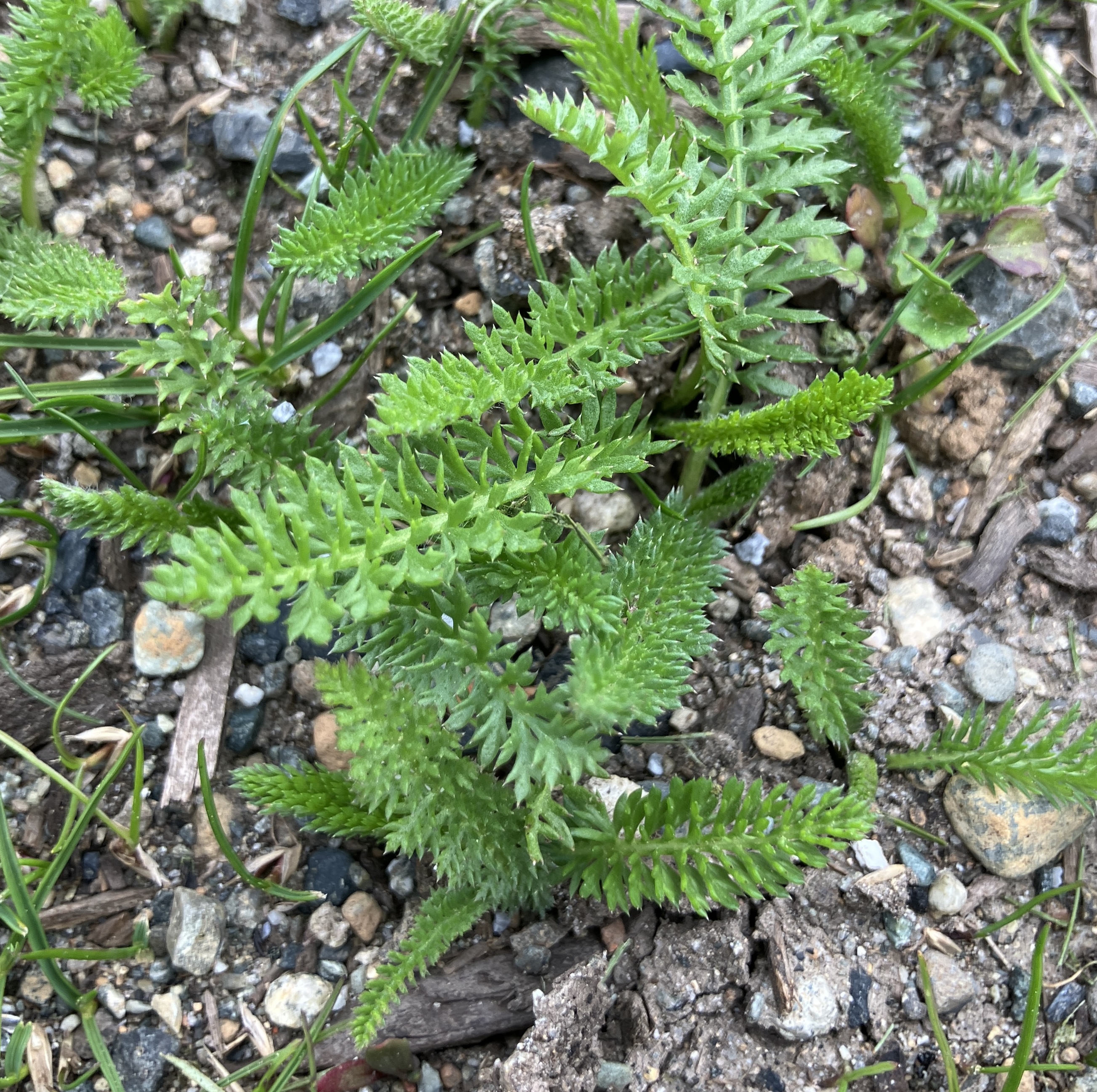
The plant in the photo most closely resembles common yarrow, Achillea millefolium, a widely distributed perennial in the aster family. It is valued for its fernlike, highly dissected leaves and its long season of interest. While a precise species can only be confirmed with florets or a growth habit over time, the characteristic feathery foliage shown in the image strongly echoes yarrow. If this identification is correct, you have a sturdy, low-maintenance plant that can form the backbone of borders, rock gardens, or drought-tolerant landscapes. Below is a thorough overview of the plant, its features, and how to care for it successfully in a home garden. Description and identification tips - Foliage: The most distinctive feature is the foliage. Yarrow leaves are pinnately divided into many small, narrow lobes that give a feathery, almost fernlike appearance. The leaf segments are typically linear to lanceolate with finely toothed margins. In your photo, multiple stems carry these finely divided leaves, creating a compact clump at the base. - Growth habit: Young plants form a low, tight rosette, and with time they produce upright flowering stems. In a garden setting, mature plants can reach a height of roughly 1 to 3 feet (30 to 90 cm) depending on cultivar and growing conditions. The plant in the image appears to be a compact, rosette-forming specimen, which is typical of many Achillea millefolium individuals when grown in rocky, well-drained soils. - Flowers (not visible in the photo): Yarrow is best known for its flat-topped or slightly rounded clusters (corymbs) of small flowers. Each head is made up of numerous tiny disk florets, often surrounded by a ring of ray florets. White is the classic color, but many cultivars offer pink, red, or yellow hues. The bloom period typically runs from late spring through summer and can extend into early autumn with continued deadheading and favorable conditions. - Habitat and range: Yarrow is native to much of the temperate Northern Hemisphere and has naturalized widely elsewhere. It tolerates a range of conditions but thrives in full sun and well-drained soils. In hot, dry environments it performs very well once established. - Aroma and texture: The leaves and stems have a distinctive scent when crushed, which some gardeners describe as medicinal or herbaceous. The foliage picks up dew and rain, giving the clump a fresh, vibrant look after watering. Care and maintenance - Light: Yarrow loves sun. Aim for at least 6 hours of direct sun per day. In very hot climates it benefits from some afternoon shade, but full sun generally yields the best flowering and a compact habit. - Soil: It prefers well-drained soil. It is tolerant of poor, rocky, or sandy soils and does not require rich, consistently moist substrates. In heavy clay or persistently wet soils, growth can be stunted and root rot may occur. If you have poor drainage, amend the planting area with organic matter and consider raised beds or mounds. - Watering: Once established, yarrow is notably drought-tolerant. Water regularly during the first growing season to develop a strong root system, then switch to infrequent watering. Overwatering or prolonged wet conditions can promote root rots and leaf yellowing. In cooler temperate climates with regular rainfall, supplemental irrigation is rarely needed after establishment. - Fertilization: Yarrow generally does well with little to no fertilizer. A light top-dressing of compost in spring can support healthy growth, but avoid high nitrogen levels which can encourage lush foliage at the expense of flowers and may lead to floppy plants. - Pruning and deadheading: To promote bushier growth and longer flowering, deadhead spent flower clusters regularly. After flowering, you can trim back the flowering stems to encourage a second flush of blooms or to maintain a tidy shape. In cooler regions, some gardeners cut the plants back in late fall to prepare for winter; in milder areas, you can do a light rejuvenation cut in early spring. - Propagation: Yarrow is easy to propagate by division or by seed. Division is the simplest method for larger clumps and is best done in early spring or fall. Gently lift the plant, separate the root clumps, and replant them at the same depth. Seeds can be sown in spring or fall; germination is generally reliable under normal garden conditions. - Spacing and companions: Space plants about 12 to 24 inches apart (30 to 60 cm) depending on the cultivar and desired form. Yarrow pairs well with other drought-tolerant perennials such as lavender, salvia, or coreopsis in mixed borders. It also makes an excellent candidate for rock gardens and wildflower meadows. - Pests and diseases: Yarrow is relatively pest- and disease-resistant. Powdery mildew can occur in humid summers or crowded plantings, so ensure good air circulation and avoid excessive shade. Aphids and mites may appear occasionally, but these are typically manageable with quick sprays of water or insecticidal soap if needed. Good garden hygiene and proper spacing help reduce issues. - Hardiness: Most Achillea millefolium cultivars are hardy across a wide range of zones (generally USDA zones 3–9). They tolerate cold winters and hot summers when grown in appropriate conditions. Some cultivars may differ in height, bloom color, or leaf texture, so it helps to choose a cultivar that matches your site conditions. Cultural and practical uses - Ornament and landscape value: Yarrow is prized for its long bloom period, its architectural foliage, and its ability to fill borders with steady color and texture. It can serve as a focal plant, a low hedge element, or a filler in wildflower and pollinator-friendly plantings. Its drought tolerance makes it a good choice for xeriscapes and low-water-use gardens. - Cut flowers and dried arrangements: The flower heads can be used fresh in cut arrangements or dried for decorative use. The compact, flat-topped inflorescences hold well when dried and can contribute a light, airy note to bouquets. - Ecological role: Yarrow attracts a variety of beneficial insects, including many pollinators. Planting yarrow can support local garden ecosystems by providing nectar across much of the growing season. - Culinary and medicinal notes: Historically, yarrow has been used in folk medicine and as a culinary herb in some cultures. The leaves can impart a bitter, aromatic flavor when used sparingly in certain dishes, and the plant has a long track record in traditional herbal medicine. If you plan to use it medicinally or in food, familiarize yourself with proper identification and consult reliable sources, especially since some people may have sensitivities or interactions with other medicines. Always ensure correct species identification before foraging or consumption. Potential look-alikes and how to distinguish them - Other feathery leaf perennials: There are several garden plants with finely divided leaves that could be mistaken for yarrow, such as certain species of daisies or tansy. To confirm Achillea millefolium, look for the classic flat-topped flower clusters that appear on tall, slender stalks well above the foliage. If you only see leaves, the plant may still be a young yarrow or a related species with similar foliage; an eventual flowering phase will clarify the identification. - If flowers are pink or yellow rather than white: Many cultivated yarrow varieties offer bloom colors beyond white. If you encounter a solid-color inflorescence or a different bloom shape, compare leaf form and growth habit with reputable plant guides for the exact cultivar. Bottom line If this plant is indeed common yarrow, you have a robust, versatile perennial that will reward you with steady greenery, long-lasting blooms, and ecological benefits for pollinators. It prefers sunny, well-drained sites and thrives with minimal maintenance. With a little yearly attention—deadheading spent blooms, dividing clumps every few years, and ensuring good air circulation—you can maintain a healthy, attractive clump that enhances rock gardens, borders, or wildflower meadows. If you are unsure about the exact identification, observing the flowering period and the shape of the inflorescences in the coming season can provide a definitive confirmation. In the meantime, the care practices described here will suit many similar feathery-leaved perennials and help keep your plant happy and resilient.
Identification Time
April 12th, 2026
Notice
The function of Plantypia is using AI, so it may be inaccurate. Please use it for fun and reference only.
A plant result page that leads to the next useful action
After checking the name, continue into official plant database results.