Leopard plant (Ligularia dentata)
Description
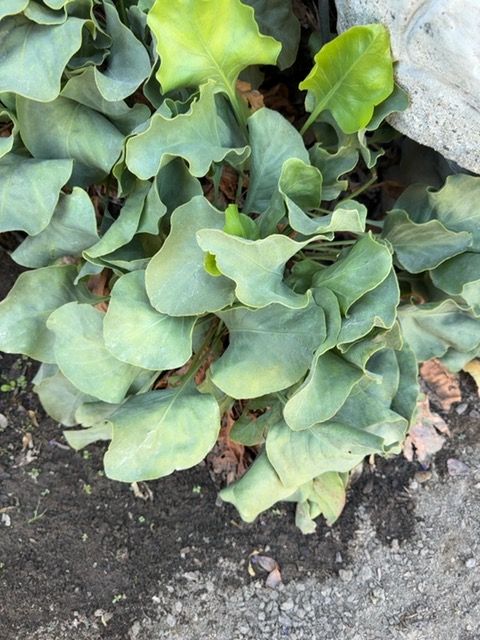
The plant shown in the image resembles a Ligularia dentata, commonly known as leopard plant. It is a perennial with bold, ornamental foliage that forms clumps close to the ground. The leaves are large, rounded to kidney-shaped, often 6 to 12 inches across, with a blue‑green or grayish-green color and a waxy, glaucous surface. Margins are gently undulating or shallowly toothed, giving the leaves a soft, painterly appearance. In garden settings, leopard plant usually sends up tall flower stalks in late summer that bear bright yellow, daisy-like blossoms atop a sturdy stem, which can add a striking vertical accent above the lush foliage. The overall effect is a dramatic, sculptural clump that remains attractive from spring through autumn, especially when grown in the right conditions. The plant is native to East Asia and thrives where moisture and shade are available, making it a popular choice for borders, shade gardens, and areas near ponds or water features. If you are familiar with shade-tolerant perennials, you’ll recognize the leopard plant by its big, bold leaves rather than its flowers, which are the seasonal payoffs. How it grows: Ligularia dentata forms a dense basal crown from which long petioles carry leaves. In ideal conditions, clumps can reach about 1 to 3 feet in height when the flower stalks emerge, with the foliage forming a broad mound that can spread over several feet. Some cultivars have more compact habits, while others are taller and more dramatic. The foliage tends to stay lush and attractive throughout the growing season, though leaf color and texture can vary with light exposure and moisture. In cooler climates, foliage may bronze slightly or show seasonal color shifts; in hotter regions with good moisture, leaves often stay a vibrant blue-green. Care and cultural requirements: Leopard plant is a moisture-loving perennial that prefers cooler, shady to partially shaded conditions. It does best in rich, well-drained soil that stays consistently moist. It is not drought-tolerant, and prolonged dry spells can cause leaf scorch, reduced vigor, and a less vigorous flowering display. Here are detailed care guidelines: - Light: Partial shade is ideal. In cooler climates or with ample moisture, it can tolerate more sun, but in hot, inland conditions direct sun can scorch the leaves unless the soil is kept evenly moist. Morning sun with afternoon shade is a common, reliable setup. In deep shade, it will still perform but with somewhat less dramatic flowering and potentially more sprawling growth. - Soil: Rich, loamy, well-drained soil that remains evenly moist is best. Incorporate organic matter such as compost to improve structure and moisture retention. A slightly acidic to neutral pH (around 6.0–7.0) is generally suitable. - Water: Regular, deep watering is essential. Aim for consistently moist soil, especially during dry spells and in hot summer weather. Avoid letting the soil dry out completely, as this stresses the plant and can cause leaf drop or poor vigor. In containers, check moisture daily in hot weather and water deeply. - Mulching: A layer of organic mulch (2–3 inches) helps conserve moisture, suppress weeds, and keep the roots cool. Replenish as it breaks down. Mulch is especially beneficial in warm climates. - Fertilization: Feed in spring with a balanced, slow-release fertilizer or a liquid feed every 4–6 weeks during the growing season, following label directions. Avoid high nitro levels, which can promote excessive leaf growth at the expense of flowering and can lead to weaker stems. - Pruning and maintenance: Remove spent flower stalks after blooming to keep the plant looking tidy and to encourage healthy growth. At the end of the season, cut back any damaged or diseased foliage and clean up plant debris to reduce overwintering pests or diseases. - Division and propagation: Leopard plant tends to form clumps over time. Dividing the plants every 3–5 years in early spring or fall helps maintain vigor and control size. Dig up a clump, partition with a clean knife or spade, and replant the divisions at same depth. Plants can also be started from seed, but divisions are faster and retain the parent’s characteristics. - Pests and diseases: Slugs and snails often target the leaves, especially in damp conditions. Powdery mildew can appear in humid weather; ensure good air circulation and avoid overhead watering to help prevent it. Root rot can occur if the soil is consistently waterlogged, so ensure proper drainage and avoid overly wet conditions in containers. - Winter and seasonal care: In temperate regions, leopard plant may die back to the crown in winter, with fresh growth emerging in spring. A light mulch helps protect crowns in cold areas. In very cold climates, some gardeners treat it as a deciduous perennial with seasonal die-back, while others grow it as an annual or bring container specimens indoors if temperatures drop too far. Garden design and companion planting: Leopard plant’s bold foliage makes it a strong focal point in shaded borders and around water features. It pairs well with hostas, ferns, astilbes, and other shade-loving perennials that enjoy consistent moisture. Because its leaves can tolerate partial sun if moisture is ample, it also makes a striking contrast against lighter foliage or flowering plants with yellows, purples, or blues. When used in a container, choose a large, steady pot with drainage holes and a moisture-retentive potting mix to keep the plant thriving between seasons. Varieties and leaf variation: There are several Ligularia dentata cultivars with subtle differences in leaf size, shape, and color. Some cultivars may have slightly more rounded leaves, while others show deeper blue-green tones or a more pronounced gloss. There are also compact varieties better suited to smaller gardens or container culture. When selecting a cultivar, consider the mature size, light tolerance, and whether you prefer a bold, sculpture-like leaf or a slightly more delicate look. Safety and usage notes: Ligularia dentata is primarily grown for ornamental foliage and blossoms. It is not an edible plant, and like many alpine or ornamental perennials, it is best treated as a decorative specimen. If you have pets or small children, monitor their interest in nibbling foliage, as some ornamental plants can cause mild digestive upset. As with any garden plant, observe for signs of stress such as leaf scorch, drooping, or discoloration, and adjust light, moisture, or fertilization accordingly. If your photo shows a plant with a similar overall silhouette but with notably different leaf texture or a more compact habit, consider other shade-tolerant, large-leaf perennials such as ligularias of different species, large-leaved hostas, or even ornamental cabbages/kales used in landscape plantings. The distinguishing features to check are leaf size and shape, leaf texture (glossy versus fuzzy), the plant’s habit (ground-hugging clump versus tall, upright growth), and the presence of tall flower stalks with bright yellow blooms in late summer. A good confirmatory step is to look for the plant’s flowers during the growing season; if you observe tall stems with yellow composite flowers above the foliage, that strongly supports Ligularia dentata as the ID. In summary, the plant in your image most closely matches the leopard plant, Ligularia dentata, a sturdy, moisture-loving perennial valued for its dramatic, evergreen-looking foliage and late-summer yellow flowers. With regular moisture, rich soil, and a bit of shade, it can be a standout feature in borders and near water features, providing year‑round interest from its large, sculptural leaves to its bright floral display.
Identification Time
August 20th, 2025
Notice
The function of Plantypia is using AI, so it may be inaccurate. Please use it for fun and reference only.
A plant result page that leads to the next useful action
After checking the name, continue into official plant database results.