Diagnosis Result
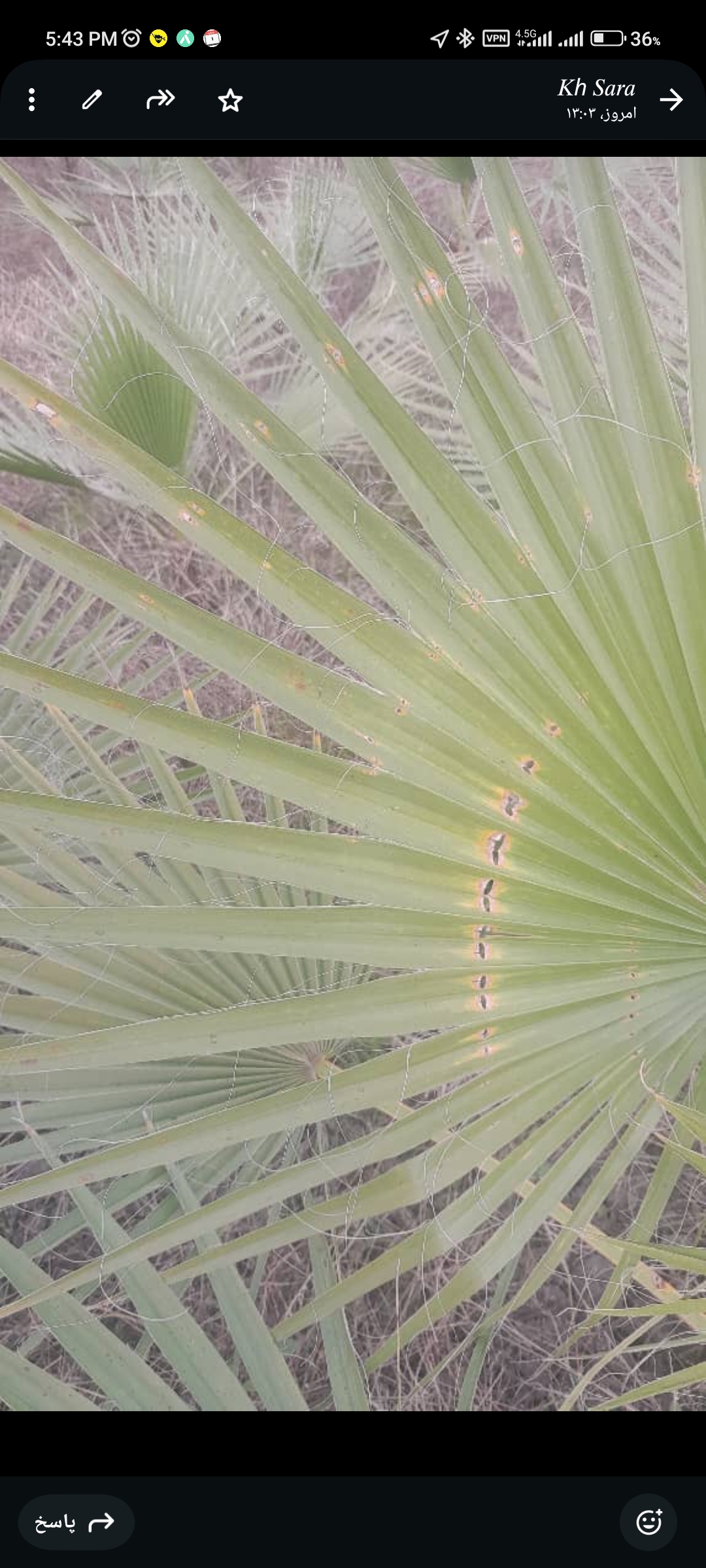
Description
The photo shows a palm frond with numerous small orange-brown spots concentrated along the leaf tissue, often starting at the edges and progressing inward. This pattern is characteristic of a rust fungal infection on palms, where tiny spores produce orange to brown pustules on the leaf surface. Rust fungi typically require high humidity and warm conditions and spread via wind-blown spores. Infected fronds may show yellowing, curling, and premature browning or necrosis if the infection is severe. The lines across the leaf could also reflect fungal sporulation patterns or minor secondary damage, but the hallmark visible symptom here is the series of small orange-brown lesions along the leaf. Quick cultural sanitation and timely fungicide applications help prevent spread to new fronds.
Solution
1. Cultural hygiene and prevention: - Begin by removing and disposing of the most heavily infected fronds to reduce the source of inoculum. Do not compost these materials; bag and discard. - Clean pruning tools with alcohol or diluted bleach between cuts to avoid spreading the pathogen to healthy leaves. - Improve air circulation around the plant by spacing palms adequately and pruning any adjacent vegetation that creates dense shade or humidity pockets. - Water at the base of the plant (or early morning, avoiding wetting the leaf surfaces) to minimize leaf wetness duration, which rust fungi require for infection. - Maintain moderate humidity and steady, balanced nutrition (avoid excess nitrogen which promotes lush leaf growth that is more susceptible). - Regularly inspect new fronds for early symptoms and promptly act if spots appear. This strategy reduces inoculum and protects new growth. This approach is long-term and helps keep the palm healthier, reducing recurrence even in subsequent seasons. 2. Fungicidal treatment plan (chemical control): - Apply a fungicide with active ingredients effective against rust fungi, such as tebuconazole, myclobutanil, or copper-based products (copper hydroxide or copper fungicides), following the product label for rate and frequency. Rust on palms often responds to preventive sprays; apply at early signs and continue on a 10–14 day schedule during humid, warm periods when rust is likely to spread. Rotate active ingredients to avoid resistance (switch between a triazole like tebuconazole and a copper-based product). Ensure coverage on both surfaces of the leaf blades, including the undersides where spores may accumulate. Avoid drift into the soil or other plants; wear protective gear and wash hands/tools after use. Reapply after heavy rainfall, as rain can wash away fungicides. Do not apply during flowering or near pets and children if using certain formulations; always follow label restrictions. This method can significantly slow spread and protect new growth when used as part of an integrated program. - For best results, begin treatment when environmental conditions are favorable for rust (high humidity and warm temperatures) and continue through the period of risk. If rust recurs, consider consulting a local extension service for region-specific fungicide recommendations and possible resistant cultivars. 3. Integrated management and plant resilience: - Consider replacing heavily infected or particularly susceptible cultivars with rust-tolerant or resistant palms if the problem persists year after year. Some palm species are more prone to rust than others; choosing a variety with better disease resistance can reduce future losses. - Maintain a clean garden microclimate: remove fallen fronds and debris that can harbor spores, ensure proper drainage, and avoid overwatering in the root zone. - If pests accompany the rust symptoms (e.g., scale insects or mites that exploit stressed tissue), treat them separately with appropriate insecticidal soaps or horticultural oils as indicated on the label, ensuring compatibility with any fungicides used. Always identify pests accurately before using combined treatments to prevent phytotoxicity. - Documentation and monitoring: keep notes on infection timing, weather patterns, and treatment responses. A simple record helps determine which cultural practices or products are most effective in your climate, enabling a more precise, targeted approach next season. This solution emphasizes long-term plant health, sustainability, and reduced chemical dependence while effectively managing rust.
Notice
The function of Plantypia is using AI, so it may be inaccurate. Please use it for fun and reference only.
Check with official pest context
Leaf spots and wilting can come from watering, temperature, or season changes as well as pests.