Diagnosis Result
Description
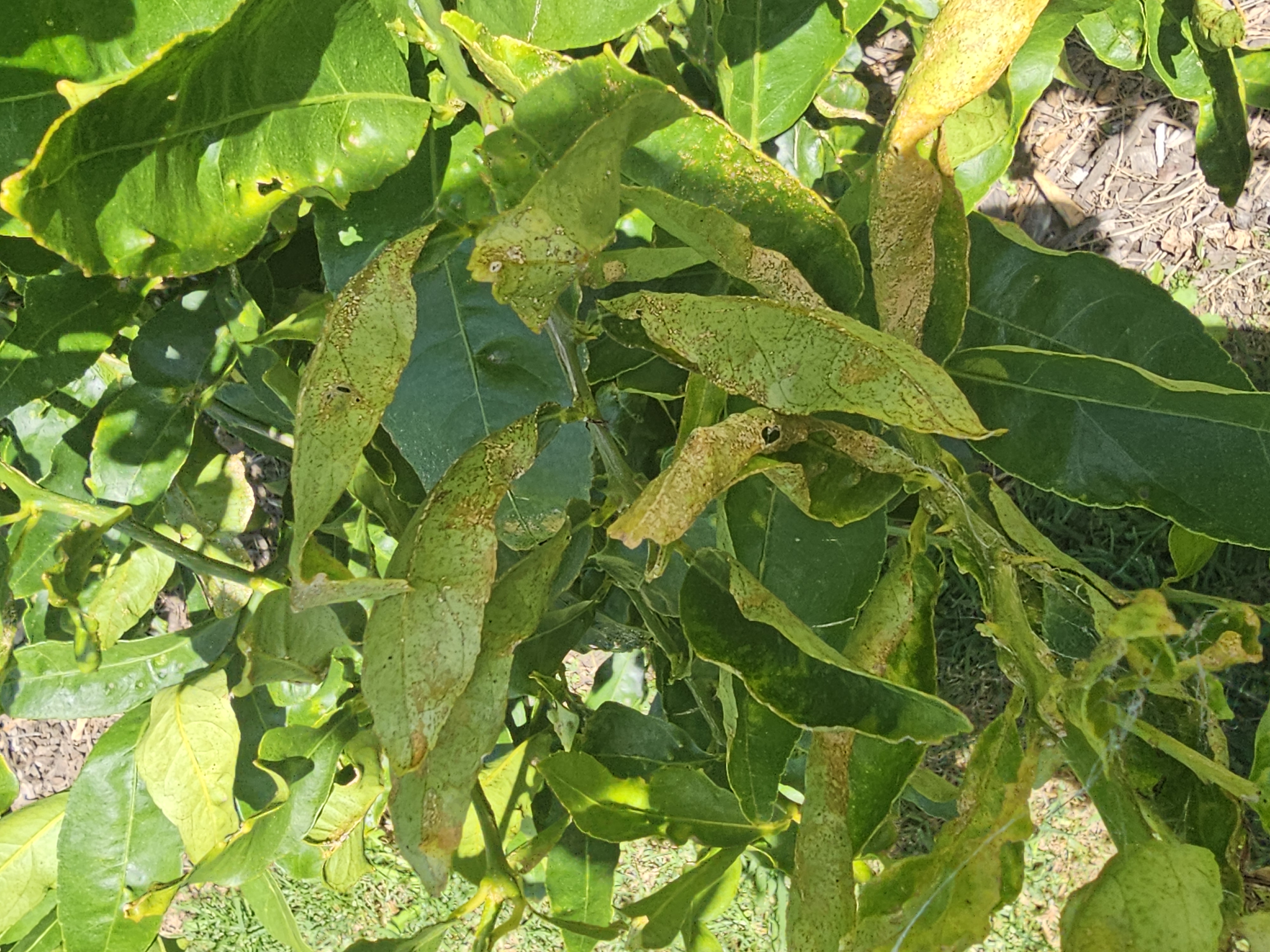
The image shows a citrus-like shrub with many green leaves, some of which are turning yellow and brown, especially along the margins and on older foliage. There are small brown specks scattered across leaf surfaces and some curling or crinkling of affected leaves. This combination—yellowing, marginal necrosis, and surface speckling on leaves—is characteristic of foliar spot diseases on citrus such as Phyllosticta leaf spot or Colletotrichum/anthracnose complex. These pathogens often overwinter in fallen leaves and in infected twigs, and symptoms are aggravated by wet, humid conditions and stressed plants. The disease can progress from older leaves to younger growth if conditions stay favorable. Management emphasizes sanitation (removing infected material), cultural practices to reduce leaf wetness and humidity, and the judicious use of protective fungicides. To confirm, inspect for small dark fruiting bodies or lesions with a raised or corky texture, and consider ruling out citrus canker or pest-related damage with local extension guidance or lab confirmation.
Solution
3. Long-term prevention, monitoring, and resilience building - Establish a routine scouting schedule to detect early signs of leaf spots. Begin inspections with the first flush in spring and continue every 1–2 weeks during the growing season. Early detection allows for timely sanitation (Solution 1) and corrective sprays (Solution 2) before the disease becomes established. Maintain a detailed record of appearance dates, weather conditions, and treatments to identify patterns and adjust cultural practices accordingly. - Focus on plant vigor as a foundational defense. Ensure consistent irrigation, avoid drought stress, and provide balanced nutrition with micronutrients such as zinc, manganese, and boron if deficiencies are suspected by soil or leaf tissue tests. Healthy trees recover faster and are less susceptible to severe disease outbreaks, reducing the need for frequent chemical interventions. - Consider agronomic modifications to reduce humidity around foliage. If the planting site permits, increase spacing between trees, prune to optimize airflow, and, where feasible, provide shade or windbreaks to moderate microclimate. Reducing leaf wetness duration lowers infection opportunities for foliar pathogens and supports quicker leaf drying after rain or irrigation. - Use resistant or tolerant selections where possible and plan for future plantings accordingly. If repeat infections occur or if the grove/planting area is consistently humid, evaluate the suitability of citrus varieties or rootstocks with demonstrated resilience to foliar spot diseases in your region. In commercial operations, consulting with local nurseries or extension services about resistant cultivars can be worthwhile for long-term disease management. - Maintain garden hygiene and post-harvest care. Remove and dispose of infected material promptly, clean tools after each use, and avoid composting diseased leaves. Integrate biological controls and cultural practices to build a robust plant health program. Periodic soil testing and pH adjustment can also influence plant health and disease susceptibility, as some pathogens thrive in certain soil environments. By combining sanitation, cultural practices, timely chemical protection when needed, and ongoing monitoring, you establish a resilient system that reduces disease pressure over multiple seasons while supporting overall tree health and fruit quality.
Notice
The function of Plantypia is using AI, so it may be inaccurate. Please use it for fun and reference only.
Check with official pest context
Leaf spots and wilting can come from watering, temperature, or season changes as well as pests.