Diagnosis Result
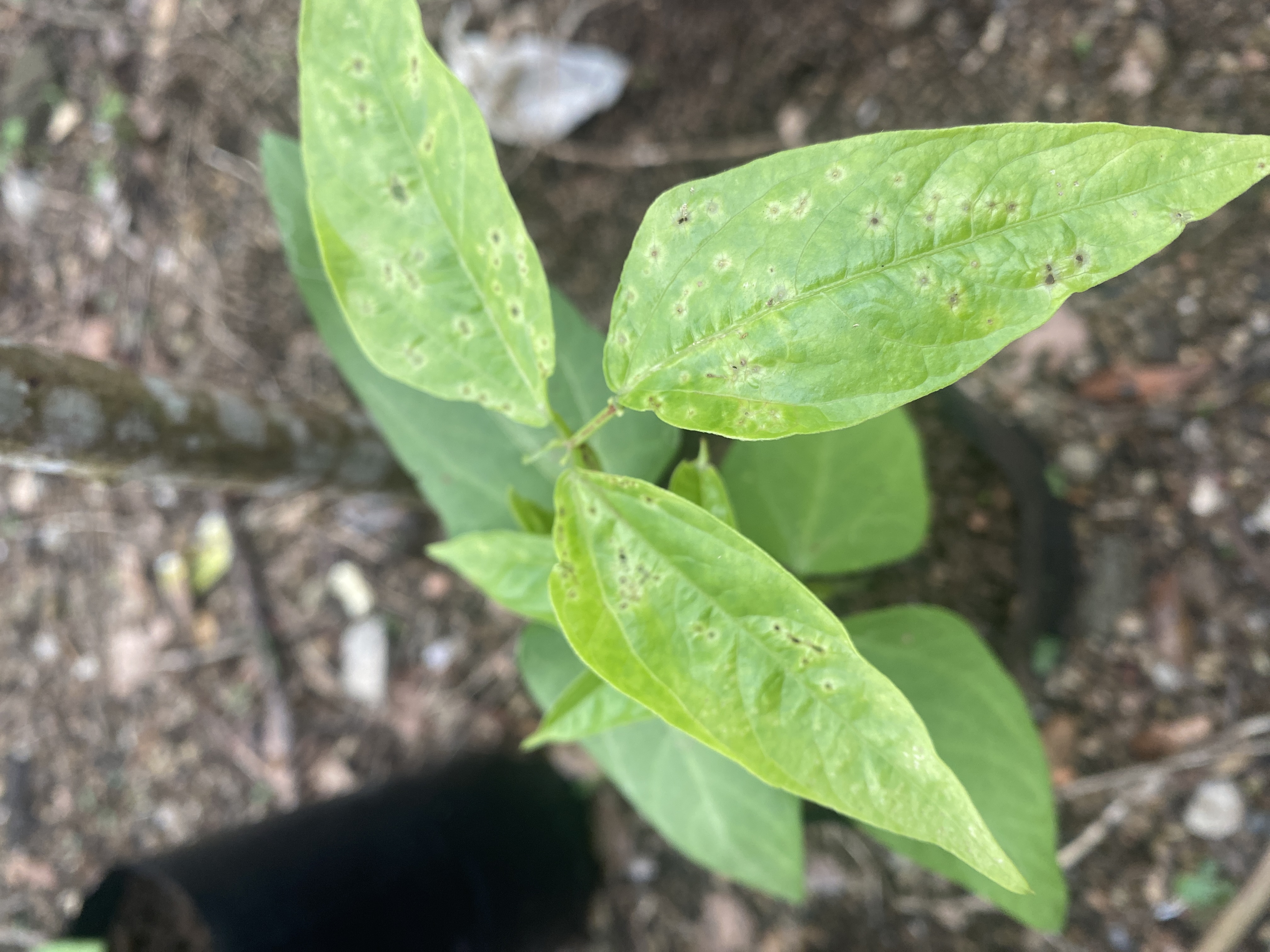
Description
Septoria leaf spot is a fungal disease that causes small circular brown lesions on leaves, often with tan centers and dark borders, sometimes with a yellow halo. It starts on the lower leaves and can spread upward, leading to leaf yellowing and eventual leaf drop. The fungus overwinters in crop debris and is spread by splashing rain or overhead irrigation, especially in warm, humid conditions. Peppers and related solanaceous crops are common hosts. Management relies on cultural practices to reduce leaf wetness and inoculum, plus targeted fungicide use when necessary. Early detection and removal of infected tissue help minimize spread and protect yields.
Solution
1. Cultural controls and sanitation: Septoria leaf spot on peppers is a common fungal disease spread by water splash and humid air. In the image you provided, you show small brown, circular lesions with tan centers and darker margins on several leaves, a pattern typical for Septoria. To suppress it, start with sanitation: remove all infected leaves and any plant debris around the base and dispose of it (do not compost as the fungus can survive). Sterilize cutting tools with 10% bleach or 70% isopropyl alcohol between cuts when removing infected material. Increase air flow by pruning the plant to open the canopy and spacing plants more widely. Use drip irrigation or water at the soil line in the morning so leaves dry quickly, reducing leaf wetness that promotes fungal growth. Mulch around the base of the plant to reduce soil splash. Rotate crops with non-host species for at least two to three years if possible. Regularly inspect for new lesions and remove them early. If infection remains contained, you may continue with these steps and allow plant to recover; if it spreads, move to chemical control as described in solution 2. 2. Chemical control plan with rotation and proper application: Apply fungicides labeled for Septoria leaf spot on peppers. Begin early and repeat as needed based on product label and weather conditions. Start with a copper-based fungicide (e.g., copper hydroxide) as a protectant spray; copper acts on a broad spectrum of fungi but can accumulate and cause phytotoxicity in hot weather or on young leaves; rotate with another chemistry such as chlorothalonil or chlorothalonil-based products after 1-2 applications to avoid resistance. Use multiple modes of action; do not rely on one product all season. Ensure thorough coverage including undersides of leaves where spores form; re-apply after heavy rain as rain can wash off protective films. Maintain even spray intervals and do not exceed label rates. Always check local guidelines, pre-harvest intervals, and any restrictions on your crop. Integrate with the cultural measures in solution 1 for best results and monitor for resistance and compliance. 3. Biological and long-term prevention: Integrate biological control by using Bacillus subtilis-based products (e.g., Serenade) or Trichoderma-based formulations where appropriate; these can suppress Septoria by competing for space and nutrients, and by stimulating plant defenses. Use these as part of a rotating program with conventional fungicides to manage resistance and environmental impact. Select pepper varieties with higher tolerance or partial resistance to leaf spot if available in your area and consider seed or transplant stock from reputable suppliers. Improve soil health and plant vigor with organic matter, balanced nutrition (avoid excessive nitrogen), adequate potassium, and consistent moisture management. Employ proper cultural practices including pruning for airflow, drip irrigation, mulch, and sanitation as described in solution 1. Finally, maintain a clean environment by removing infected plant parts and residues from the garden, and monitor plants weekly so you can act quickly if symptoms reappear. This integrated approach reduces disease pressure while preserving beneficial organisms and minimizing chemical input.
Notice
The function of Plantypia is using AI, so it may be inaccurate. Please use it for fun and reference only.
Check with official pest context
Leaf spots and wilting can come from watering, temperature, or season changes as well as pests.