Diagnosis Result
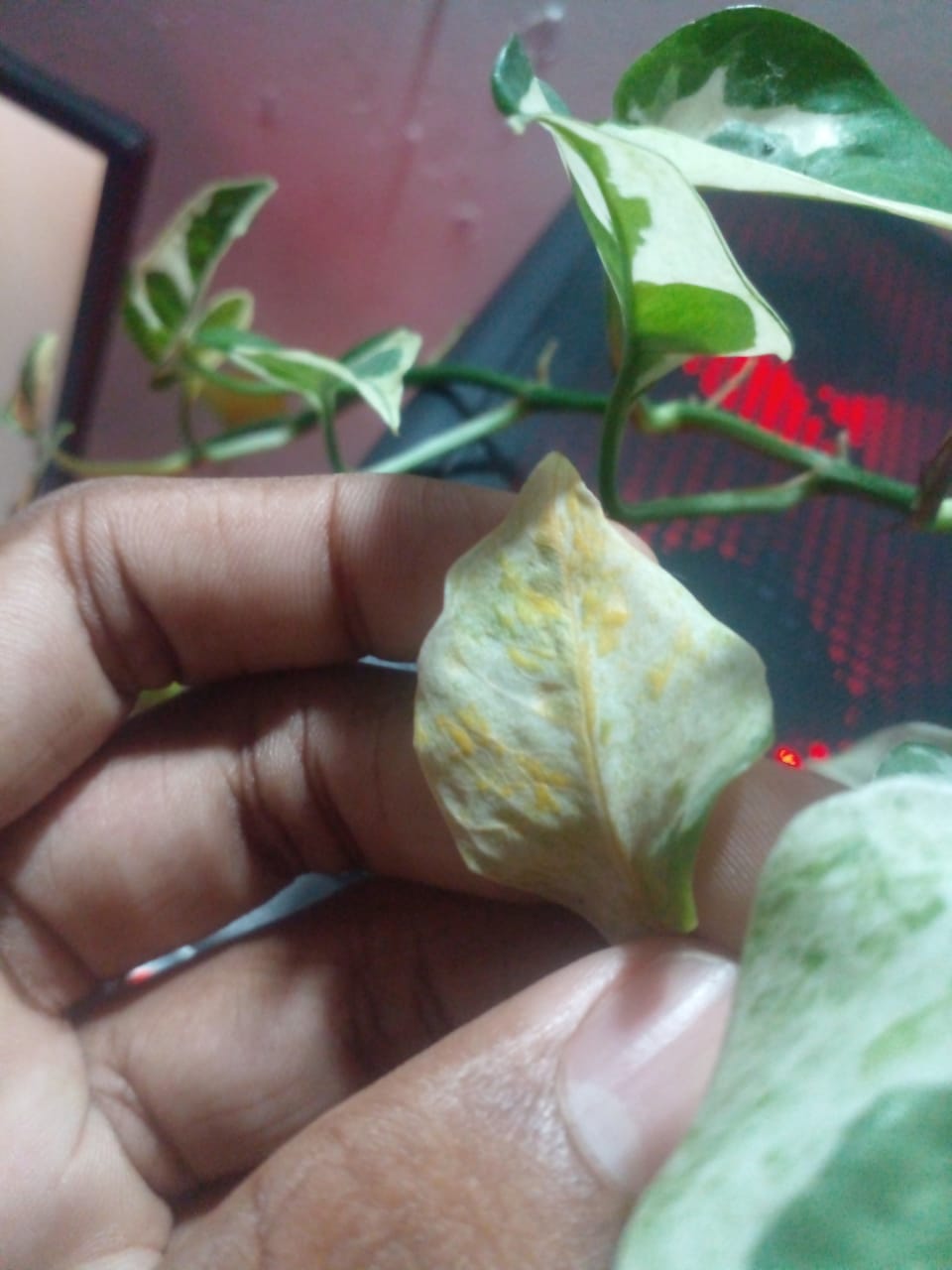
Description
The plant in the photo shows yellowing and browning on a variegated leaf with some edge browning and overall dullness, which is a common symptom of root-related stress in houseplants. Variegated foliage often indicates lower drought tolerance, so inconsistent watering paired with a poorly draining potting medium can lead to roots sitting in moisture for too long. Root rot pathogens such as Phytophthora and Pythium thrive in wet soils and attack the root system, causing reduced water and nutrient uptake. As roots die, the canopy shows chlorosis (yellowing leaves), drooping growth, and eventually leaf drop. To confirm, you would gently remove the plant from its pot and inspect the roots: healthy roots are white or light tan and firm; rotted roots become brown/black, mushy, and may give off a foul odor. In addition, check soil condition and drainage: if the mix stays wet for more than several days after watering, that’s a strong clue for root rot. While other issues (nutrient deficiency, sun scorch, or leaf spot diseases) can cause yellowing, the combination of yellowing leaves on a trailing variegated plant with potential wet soil strongly points toward root rot driven by overwatering and poor drainage.
Solution
3. Prophylaxis, monitoring, and long-term care: Implement a routine that minimizes infection risk and supports root health. Use clean, sterilized tools whenever you prune or propagate, and quarantine new plants for at least a few weeks to observe for symptoms before integrating them with established specimens. When repotting or propagating, disinfect containers and work surfaces with a mild bleach solution and ensure they dry completely before reuse. Consider using a soil-drench fungicide labeled for Phytophthora/Pythium if your circumstances allow (follow the product label precisely); otherwise, rely on cultural controls and a healthy soil environment with consistent moisture management. Encourage good air circulation around the plant to reduce leaf wetness and fungal growth, and keep the plant away from cold drafts or sudden temperature swings. If you continue to see yellowing or wilting despite improved drainage and watering practices, isolate the affected plant, and assess whether it would be more feasible to propagate several healthy cuttings into fresh medium for a fresh start. Over time, maintaining clean practices, proper potting mix, and a consistent, water-conscious routine will reduce the risk of re-infection and help the plant recover or be replaced more effectively if necessary.
Notice
The function of Plantypia is using AI, so it may be inaccurate. Please use it for fun and reference only.
Check with official pest context
Leaf spots and wilting can come from watering, temperature, or season changes as well as pests.