Diagnosis Result
Description
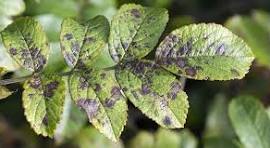
Black spot is a common fungal disease that affects roses. It thrives in cool, moist conditions and spreads via water splashes from infected leaves or debris. Symptoms start as small purplish-brown or black spots on the upper leaf surface, often with a yellow halo. Spots enlarge and may coalesce, causing interveinal yellowing, leaf curling, and premature defoliation. The pathogen overwinters in fallen leaves and plant debris, so sanitation is crucial. The image shows numerous dark lesions on rose leaflets with surrounding yellowing, a hallmark pattern for black spot, though other leaf spots such as Septoria can look similar. Proper diagnosis is important, but the management principles below apply to most rose leaf spots and will reduce inoculum and protect new growth.
Solution
1. Immediate sanitation and cultural practices: Begin by removing all visibly infected leaves from the plant and dispose of them in the trash (do not compost). Prune to improve air circulation and sun exposure in the canopy, which helps leaves dry quickly and reduces fungal spread. Clean and sanitize pruning shears with a 10% bleach solution or alcohol after each cut to prevent moving spores to clean tissue. Rake up and dispose of all fallen leaves and debris around the base of the plant, as overwintering inoculum resides there. Space roses adequately and avoid overhead irrigation; water at the base early in the day so foliage dries before night. Mulch the soil to reduce splash and monitor new growth weekly to catch early symptoms. This approach reduces the disease pressure for the rest of the season and sets the foundation for any fungicide program.
Notice
The function of Plantypia is using AI, so it may be inaccurate. Please use it for fun and reference only.
Check with official pest context
Leaf spots and wilting can come from watering, temperature, or season changes as well as pests.