Diagnosis Result
Description
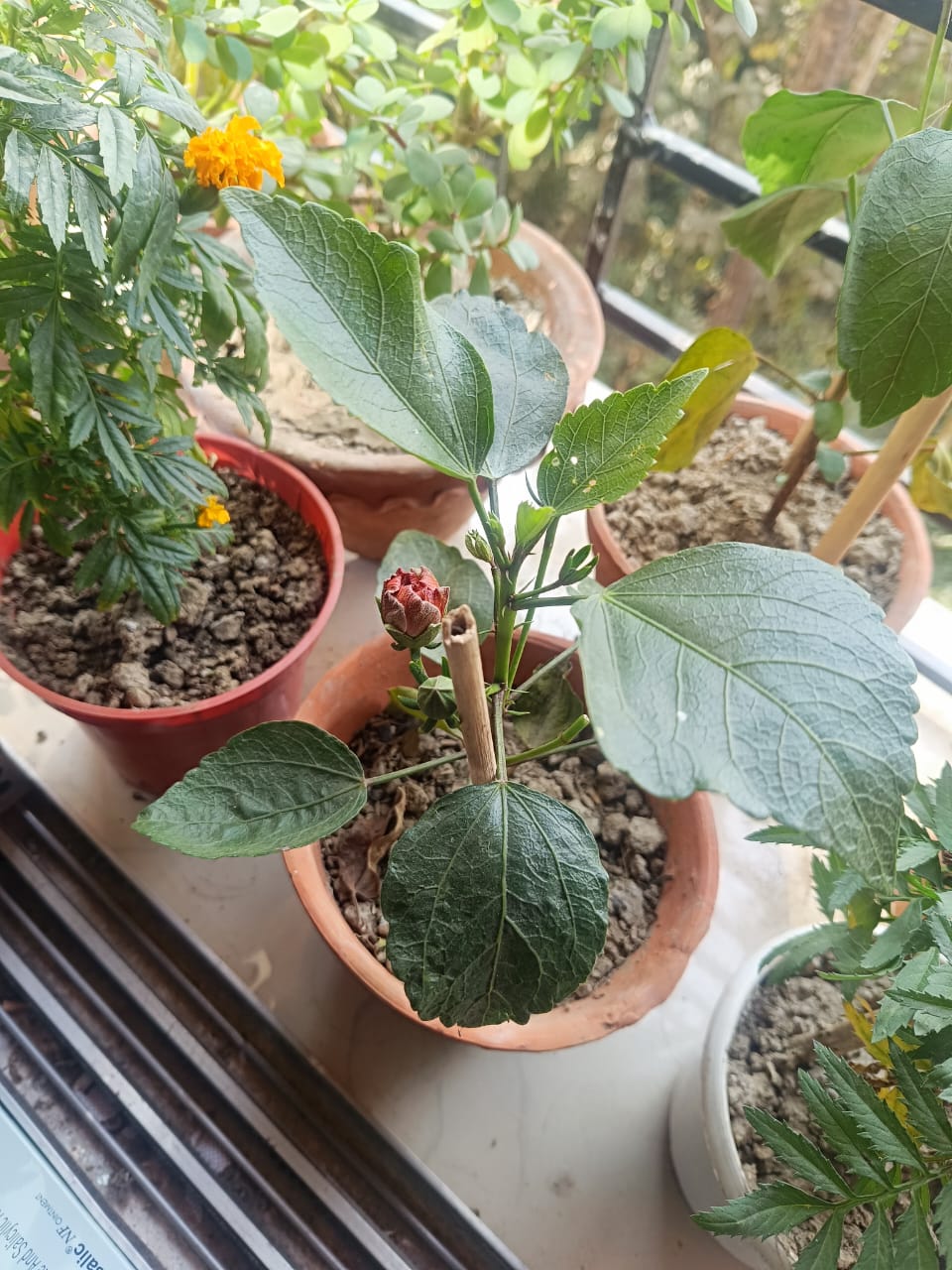
The plant shown resembles a hibiscus (Hibiscus rosa-sinensis) or a closely related Malvaceae. In potted hibiscus, common leaf diseases present as small brown to black circular or irregular spots on the upper leaf surface, often with a yellow halo. In humid or damp conditions, fungal pathogens such as Cercospora spp. or Colletotrichum spp. invade the leaf tissue, causing lesions that may coalesce, leading to premature leaf drop. Bacterial leaf spot can cause water-soaked spots that enlarge and darken with time and may emit a chlorine-like odor from lesions. Symptoms can be compounded by stressed growth from overwatering, poor air circulation, or recent pruning that leaves exposed wood. The photo shows mostly healthy-looking leaves but with a few small lesions and some minor leaf curling, which can be early signs of foliar disease or pest-related stress. For a definitive diagnosis, inspect for tiny fungal fruiting bodies on lesions, check for pests (aphids, mites) that can exacerbate spotting, and consider environmental conditions (humidity, watering practices) over the last 2-3 weeks.
Solution
1. Immediate sanitation and pruning to halt spread: - Isolate the affected pot from other plants to prevent cross-contamination. - Remove all visibly damaged leaves and any fallen leaf litter from the potting mix; seal these in a bag and discard it with household waste (do not compost). - Prune back close to healthy tissue any branches showing extensive spotting or elongating lesions, but avoid removing more than about one-third of the plant at a time to reduce shock. Use clean, sterilized pruning shears (wipe with alcohol or 70% ethanol between cuts). - After pruning, sanitize pruning tools again and consider a quick spray with a copper-based or contact fungicide to protect exposed tissue. Monitor the plant daily for new lesions; if new spots appear rapidly, move to longer-term cultural changes. - If you suspect bacterial leaf spot (water-soaked lesions that darken), avoid wounding the plant further and ensure you remove only dead tissue; bacterial infections often spread through water splash, so adjust watering to the base of the plant next time. - Keep the plant in a location with good air movement and bright light, which helps leaves dry faster and reduces fungal spore viability. This initial step can take the disease from a slow-progressing issue to a manageable one, preventing spread to adjacent plants. - Document and monitor for 2–3 weeks; if lesions persist or worsen despite sanitation, proceed with cultural and chemical controls as outlined in the subsequent steps. This approach emphasizes thorough cleanup, careful pruning, and immediate defense to stop the spread, which is critical for hibiscus leaf spot management. The goal is to reduce inoculum, minimize leaf wetness duration, and create conditions less favorable to pathogens. Always wash hands and tools after handling diseased plant parts to prevent unintentional transfer. Since the plant in the image appears to have relatively few symptoms, this is a prudent first move before moving to stronger interventions. If symptoms remain, you can escalate with targeted fungicide applications following label directions and local regulations. 2. Cultural controls and environmental optimization for long-term prevention: - Water the plant at the base early in the day, allowing foliage to dry before evening. Avoid overhead watering, which splashes soil and leaves with potential pathogens and increases leaf wetness duration. - Increase air circulation around all potted plants by spacing them adequately and ensuring the location has a gentle airflow (a fan on a low setting can help indoors or on a balcony with outdoor exposure). - Improve drainage and soil health: use a well-draining potting mix suitable for hibiscus, with a layer of coarse grit or perlite if drainage is poor. Ensure pots have drainage holes and that saucers are emptied after watering to avoid soggy roots, which stress the plant and predispose to disease. - Avoid excessive nitrogen and high-hertilizer flushes that promote lush, tender foliage vulnerable to infection. Use a balanced fertilizer (e.g., 10-10-10 or 6-6-6 with micronutrients) at the recommended rate for hibiscus, typically reduced during periods of suspected disease to minimize new leaf growth that can harbor pathogens. - Regularly remove fallen leaves and prune to improve light penetration and airflow. Clean any debris from the pot rim, surrounding planter area, and windowsill to reduce dormant inoculum in the microclimate. - Check for and manage pests (aphids, whiteflies, spider mites) that can weaken the plant and create entry points for pathogens. If pests are present, treat with insecticidal soap or neem oil per label instructions and maintain plant vigor to resist infections. - Rotate or diversify plantings if you have a collection; this reduces uniform disease pressure on a single host species. These cultural steps build resilience and reduce the likelihood of re-infection. 3. Chemical and integrated management with careful stewardship (use when symptoms persist or as a preventive after sanitation): - If lesions persist after sanitation and cultural changes, apply a fungicide labeled for foliar leaf spot on hibiscus. Copper-based products (e.g., copper hydroxide/copper fungicides) can be effective against both fungal and bacterial leaf spots, but follow label rates and frequency; avoid application during flowering if pollinators are present and consider plant sensitivity to copper. Alternatively, a broad-spectrum systemic fungicide containing pyraclostrobin or azoxystrobin can provide faster protection by translocating within the leaf tissue, but rotate with a different mode of action in subsequent cycles to prevent resistance. - For organic or low-toxicity options, consider Bacillus subtilis-based biocontrol products (e.g., Serenade) or potassium bicarbonate solutions, applied according to the product’s schedule. These can reduce pathogen load with fewer risks to beneficial insects when used correctly, though they may require more frequent applications to achieve comparable control. - When using chemical controls, always read and follow the label for application timing, dilution, protective equipment, and pre-harvest intervals (if the plant has edible parts or is near edible crops, even if not directly edible, so err on the safe side). Spray in the early morning or late evening to reduce sun scorch and to avoid harming pollinators; ensure thorough coverage of both upper and lower leaf surfaces, including the leaf undersides where many pathogens overwinter. - Monitor for resistance development; rotate products with different active ingredients every 2–3 applications. If there is no improvement after 2 weeks of properly applied fungicide-based management, consider re-evaluating the diagnosis (pest first, then pathogen) and consult a local extension service or a plant pathologist for a tissue test or field diagnosis. - Maintain a long-term surveillance plan: keep a diary of new lesions, temperatures, and humidity to identify weather patterns that correlate with disease outbreaks. This information helps you adjust cultural practices seasonally and reduces reliance on chemical controls over time. - Safety and sustainability: wear gloves, wash hands after handling treated plant material, and avoid spraying near water sources or edible crops. Since hibiscus plants are often grown ornamentally, prioritize non-chemical options first and reserve chemical interventions for clear, persistent disease occurrences. This integrated approach aims to preserve plant health, minimize environmental impact, and sustain bloom quality over time.
Notice
The function of Plantypia is using AI, so it may be inaccurate. Please use it for fun and reference only.
Check with official pest context
Leaf spots and wilting can come from watering, temperature, or season changes as well as pests.