Diagnosis Result
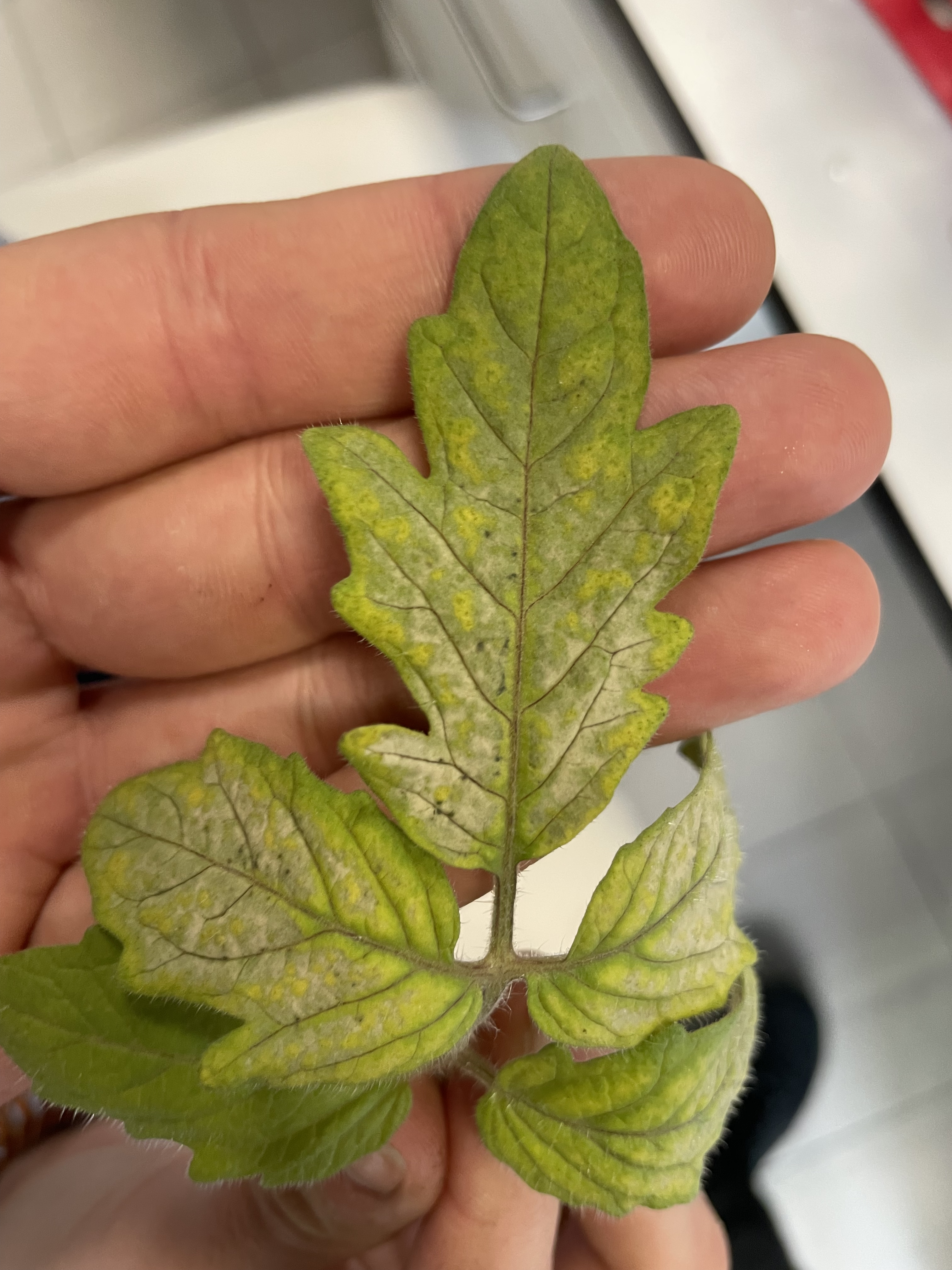
Description
The leaf in the photo shows yellowing and chlorotic patches with small, irregular yellow speckles and signs of necrosis typical of a foliar fungal infection on tomato leaves. Septoria leaf spot is caused by the fungus Septoria lycopersici and is common on tomatoes. It starts on older leaves at the bottom of the plant, producing numerous small round spots with gray or tan centers and dark margins, and as the infection progresses, leaves yellow and die. The disease overwinters in plant debris and spreads via splashing rain and contaminated tools. In warm, humid conditions, the lesions proliferate rapidly, reducing photosynthesis and vigor. While early blight (Alternaria solani) may present similarly, Septoria typically shows many small spots rather than larger concentric-ring lesions; however, distinctions can be subtle in a single photo. Management focuses on sanitation, cultural practices, and targeted fungicide applications.
Solution
3. Long-term prevention and resilience-building (800+ characters): The most durable defense against Septoria is a combination of crop hygiene, resistant practices, and predictable cultural routines. Start by rotating tomatoes with non-host crops (e.g., legumes or cereals) for at least two to three years to minimize soil inoculum. Use clean, disease-free seedlings and consider seed treatments or purchasing from reputable sources that certify disease-free stock. After harvest, remove all plant debris from the bed and treat the area with a broad-spectrum fungicide or solarize soil if practical, especially in high-humidity climates. Maintain consistent irrigation practices that keep foliage dry; drip irrigation at the soil line is preferred over sprinklers. Improve airflow with proper plant spacing, prune to remove dense interior canopies, and keep the garden free of weeds that can harbor pathogens. Choose tomato varieties with known resistance to foliar Septoria if available in your region (look for disease resistance ratings like “F” for fungal resistance on seed packets). Use mulch to suppress soil splash and maintain soil moisture without promoting surface fungi. Finally, maintain a vigilant monitoring routine: inspect leaves weekly, especially lower leaves, and remove any new lesions promptly. By combining sanitation, resistant varieties, spacing, irrigation management, and mindful fungicide use, you can greatly reduce the likelihood of a recurring Septoria outbreak and keep tomato plants healthier and more productive over multiple seasons.
Notice
The function of Plantypia is using AI, so it may be inaccurate. Please use it for fun and reference only.
Check with official pest context
Leaf spots and wilting can come from watering, temperature, or season changes as well as pests.