Diagnosis Result
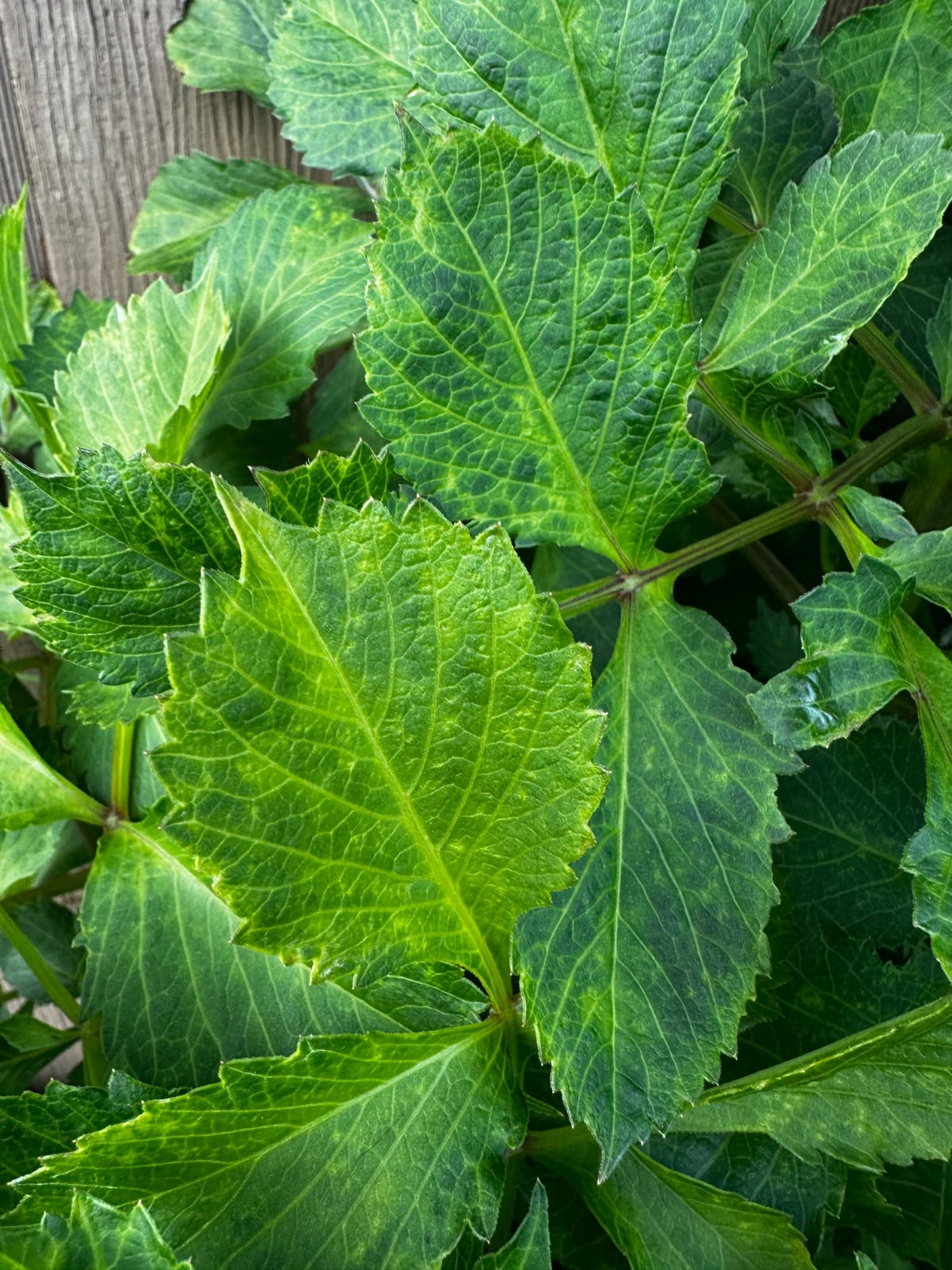
Description
The leaves show a chlorotic (yellow-green) mottled look with a fine, web-like texture and patchy discoloration. In many cucurbit crops (cucumber, squash, melons), powdery mildew initially appears as pale, speckled areas on the upper leaf surface that can merge into broader yellowish patches; later it may develop the characteristic white, powdery growth (which can be hard to see in some photos if lighting is strong or mildew is still early). The pattern here—widespread leaf discoloration without obvious uniform blotchy lesions or large water-soaked spots—fits an early to moderate powdery mildew stage more than common bacterial/fungal leaf spots. However, because the photo does not clearly show the classic white “dusting,” this diagnosis is probabilistic and could also overlap with stress-related yellowing or other leaf fungi.
Solution
1. Improve airflow and reduce leaf wetness: Powdery mildew is favored by humid conditions and dense canopies. Space plants for airflow, thin excess foliage, and avoid crowding weeds. If you water, do it early in the day at the soil line (drip irrigation preferred) so leaves dry quickly; avoid overhead sprinkling at night. Remove and discard the most heavily affected leaves (especially those with the strongest discoloration), and sanitize pruners between cuts to reduce spread. 2. Use a preventive/curative spray program (choose one approach and rotate modes of action): For early to moderate powdery mildew, apply a fungicide labeled for powdery mildew on the specific crop. Common effective options include sulfur-based products (wettable sulfur) when temperatures are in a safe range for sulfur use (avoid very hot days to prevent leaf burn), potassium bicarbonate sprays, or other registered mildew fungicides (e.g., myclobutanil/tebuconazole/propiconazole-type systemic products, or strobilurin/SDHI options depending on local availability and label guidance). Thoroughly coat both leaf surfaces, especially the undersides and the edges of affected areas. Reapply as the label directs, typically every 7–14 days, and rotate active ingredients to reduce resistance. 3. Support plant vigor + sanitation: Keep plants consistently watered (mulch helps stabilize moisture) and avoid nitrogen over-fertilization, which can produce lush growth that mildew exploits. Use balanced feeding or a lower-nitrogen approach once mildew appears. At the end of the season, clean up all fallen leaves and plant debris—mildew can persist on old foliage. If using tunnels/greenhouses, increase ventilation and keep humidity lower. Over 1–3 weeks, new growth should emerge healthier; if new leaves continue to show rapid patching despite sprays and sanitation, switch to a different fungicide mode of action (per label) and verify diagnosis by checking for actual white powdery growth on upper leaf surfaces during lower sun/closer inspection.
Notice
The function of Plantypia is using AI, so it may be inaccurate. Please use it for fun and reference only.
Check with official pest context
Leaf spots and wilting can come from watering, temperature, or season changes as well as pests.