Diagnosis Result
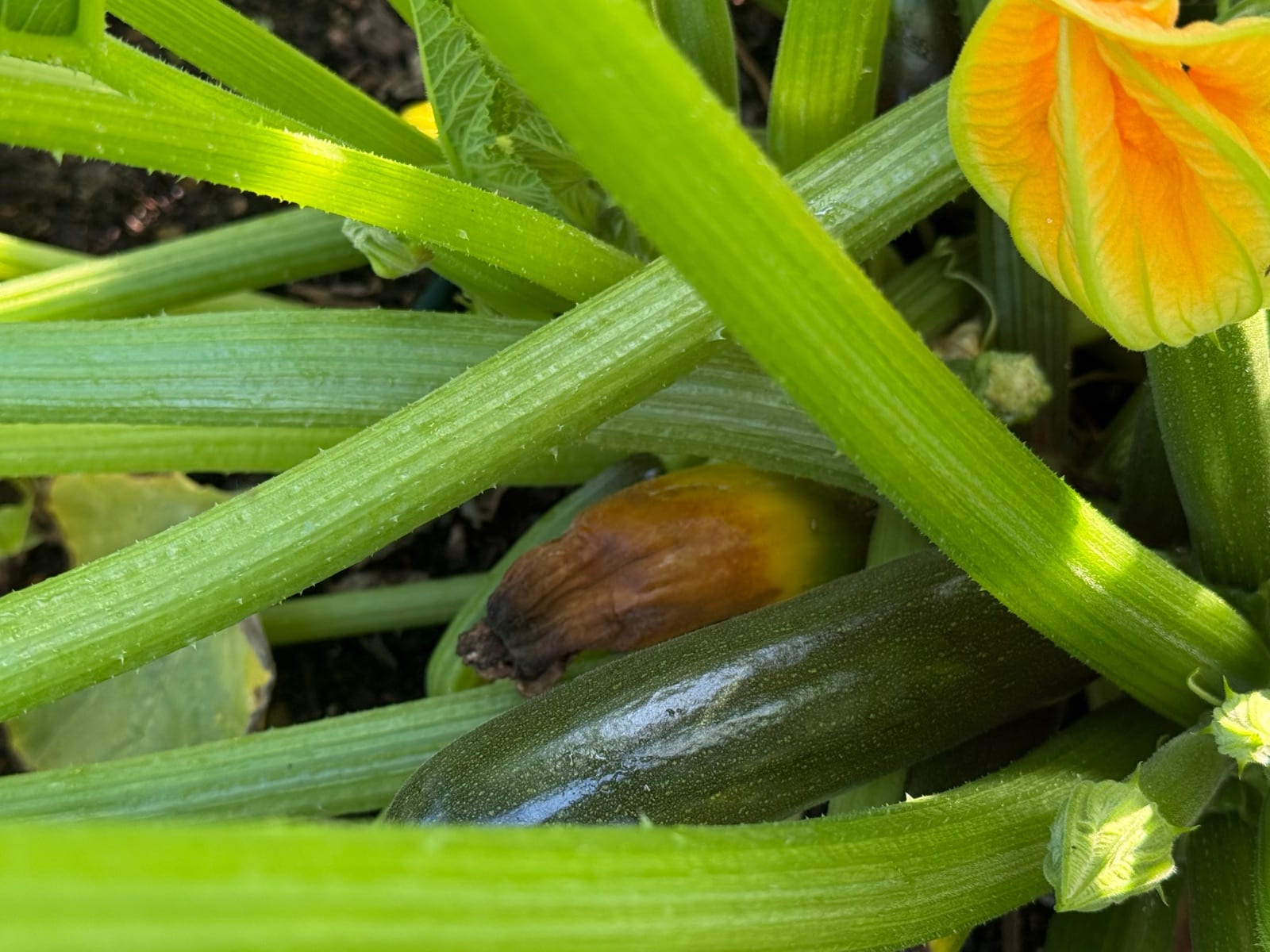
Description
The photo shows a soft-looking brown lesion along a green plant stem and nearby tissue, with a darkened, slightly sunken area consistent with an opportunistic fungal infection. Botrytis (gray mold) commonly appears as brown to gray, water-soaked spots that can expand into stem/leaf/flower/fruit tissue—especially when leaves stay wet, air is humid, or there is poor airflow. While other diseases can cause similar discoloration (for example, general stem rots such as Phytophthora/Pythium, bacterial soft rot, or powdery mildew does not match this pattern), the combination of brown necrotic tissue in contact with plant parts and the “rot” look is most consistent with Botrytis or another opportunistic mold/rot complex. Confirmation would require checking for gray fuzzy sporulation (typical of Botrytis), and noting whether the plant area becomes soft and collapses under cool, damp conditions.
Solution
1. Immediately improve the microclimate: remove and discard any severely affected plant parts (the browning/rotting sections of stems or any flowers/fruit with decay). Avoid composting diseased material. Increase airflow by spacing plants, removing overlapping leaves, and keeping foliage from staying wet. Water early in the day (so the surface dries quickly) and water at the base/root zone rather than overhead. If you have irrigation, reduce frequency and only water when the top layer of soil begins to dry. 2. Sanitation and contact disease control: wipe tools between cuts (e.g., 70% isopropyl alcohol) and avoid moving from diseased tissue to healthy tissue without cleaning. If the lesion is on a fruit/flower stem, consider gently lifting the plant debris off the lesion area where possible so it doesn’t remain constantly damp. Where lesions touch soil or dense mulch, use clean mulch or a barrier (dry straw under fruit) to reduce splash and moisture around the infected area. Remove fallen plant material because Botrytis spores can persist on dead tissue. 3. Apply an appropriate fungicide (especially if conditions are cool/humid): start treatment as soon as you notice lesions, and follow the label rate and safety instructions. For Botrytis, products containing active ingredients such as iprodione (where permitted), cyprodinil/fludioxonil, or other registered Botrytis fungicides can be effective; in many regions, a preventive/early application is critical because once rot is established, curative control is limited. Rotate modes of action across applications to reduce resistance. If infection is spreading quickly or you see widespread collapse, focus on removal of diseased tissue and reducing moisture; chemical control alone may not reverse established rot.
Notice
The function of Plantypia is using AI, so it may be inaccurate. Please use it for fun and reference only.
Check with official pest context
Leaf spots and wilting can come from watering, temperature, or season changes as well as pests.