Diagnosis Result
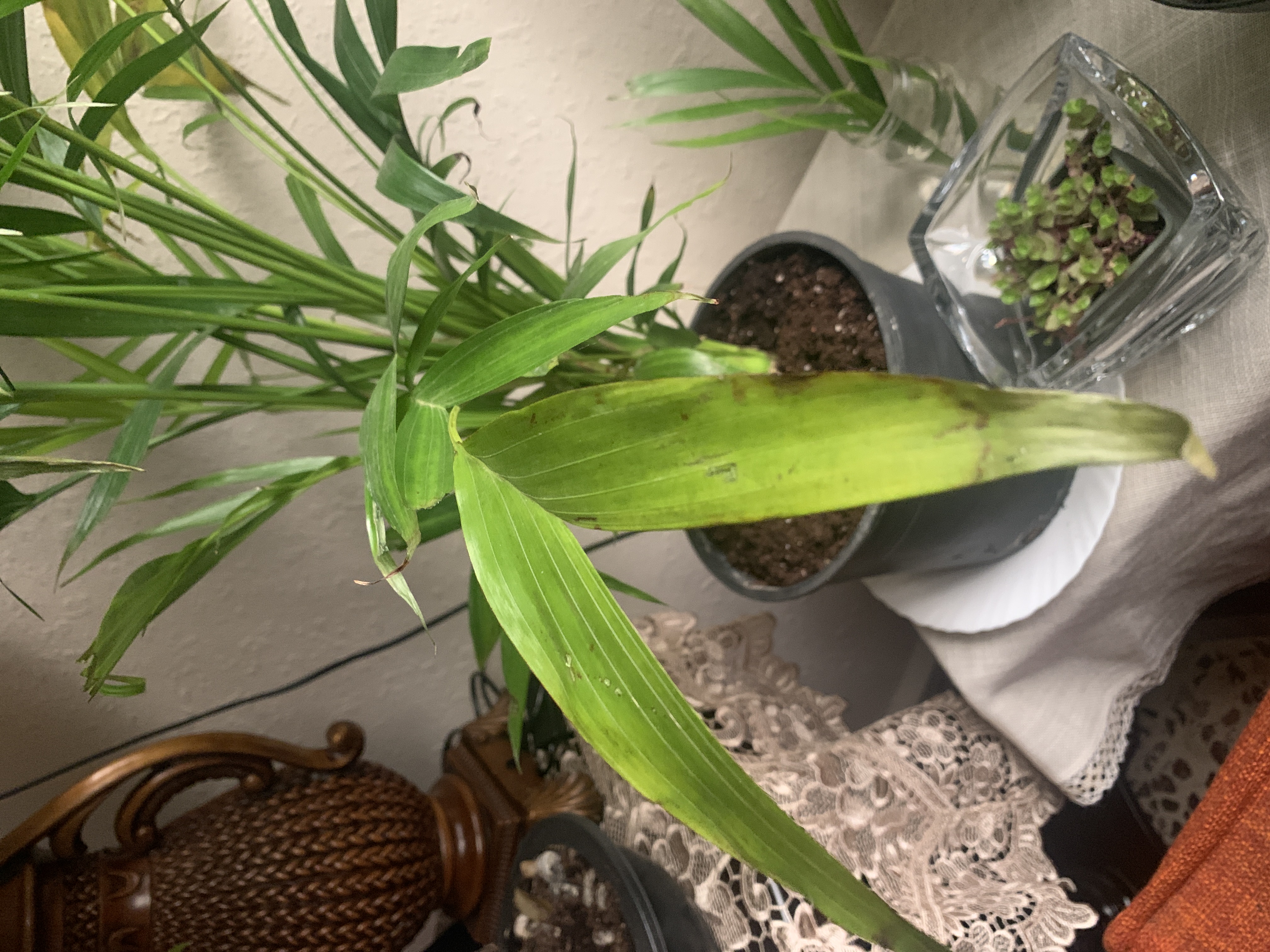
Description
The plant appears to be a Dracaena (corn plant). The symptoms shown—lower leaves turning yellow with brown tips and a general loss of vigor—are classic for root rot caused by excessive watering and poor drainage. Dracaenas dislike soggy soil; when roots sit in moisture too long, they begin to rot, lose function, and cannot supply the foliage, causing yellowing from the base upward. Contributing factors may include low light (slower transpiration), high fertilizer salts, and fluoride in tap water which can cause tip burn, but the dominant issue here is likely moisture excess. Inspecting the roots would reveal brown, mushy tissue rather than healthy white, firm roots. If the rot is localized to some roots but not the entire root system, the plant may recover with careful pruning and a fresh, well-draining potting mix. Treating now improves the chance of saving the plant and preventing spread to other plants.
Solution
1. Immediate root health restoration and plant salvage: - Gently remove the plant from its pot and inspect the roots. If you find brown, mushy, foul-smelling roots, trim them away with clean, sterilized scissors until you reach firm white or light tan tissue. Remove as much of the old potting mix as possible from the roots without detaching healthy portions of the crown. - Rinse the remaining roots lightly to remove soil debris. Treat the pruning sites with a fungicidal powder or a cinnamon dusting as a natural antifungal if you don’t have commercial fungicide. Allow the roots to air-dry for a short period (15–60 minutes) so any exposed cuts seal a bit before repotting. - Repot into a fresh, well-draining potting mix designed for aroid plants or cactus/succulent blends (e.g., 2 parts high-quality potting soil, 1 part perlite or pumice, 1 part peat or coco coir). Ensure the pot has drainage holes. Do not reuse the old soil. Consider a slightly larger pot if the plant has grown; avoid oversized pots that retain excess moisture. - Water only after the top 1–2 inches of the soil have dried. For Dracaena, typical indoor watering is about every 1–2 weeks depending on temperature, light, and pot size; in cooler months, water even less. When you do water, water thoroughly until it drains out the bottom, then empty the saucer so the plant isn’t sitting in water. - Place the plant in bright, indirect light and maintain temperatures around 65–80°F (18–27°C). Avoid cold drafts and keep the plant away from heating vents. Over the next few weeks, monitor for new growth; new roots will begin to form and new leaves will start to appear green and firm. - If you cannot detect new root growth within 4–6 weeks, consider cutting back the entire cane and propagating healthy tops to new pots, which may salvage part of the plant. - Optional but beneficial: use a fungicide labeled for Phytophthora/Pythium (as per label) drench around the base after repotting to help suppress any lingering pathogens, following the product’s instructions. This approach targets the root disease directly, stops further deterioration, and gives the root system a chance to recover. It’s crucial to improve drainage, avoid overwatering, and monitor soil moisture carefully to prevent a relapse. If the plant fails to show signs of improvement after 6–8 weeks, you may need to prune back further and consider propagating healthy canes to new specimens.
Notice
The function of Plantypia is using AI, so it may be inaccurate. Please use it for fun and reference only.
Check with official pest context
Leaf spots and wilting can come from watering, temperature, or season changes as well as pests.