Diagnosis Result
Description
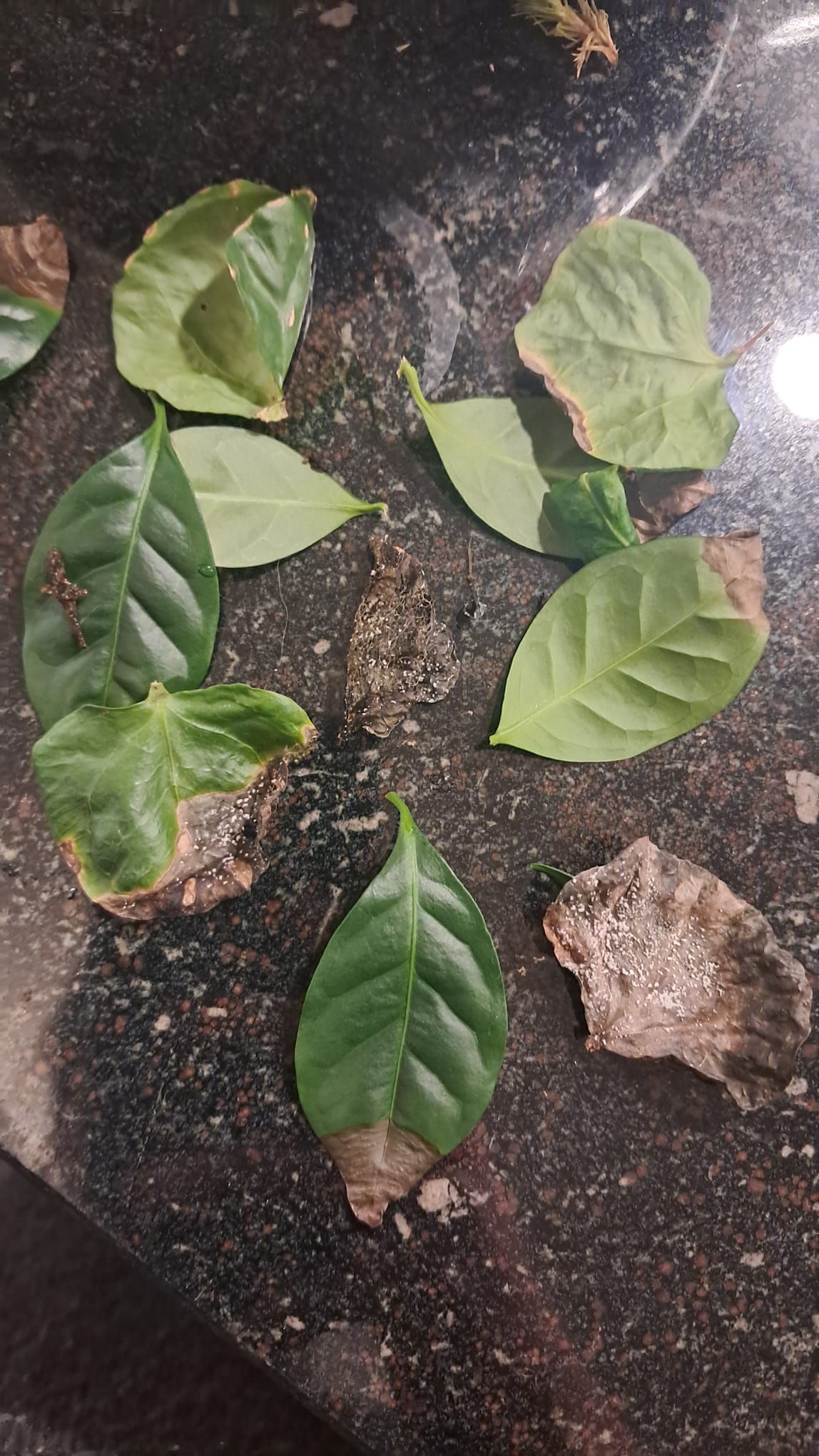
The leaves show browning and crisping primarily at the tips and along the margins, with several leaves turning brown and drying while the inner tissue remains green. Some leaves are curling or wilting, and a few bits of debris or residue are visible on the leaf surface. This pattern is characteristic of leaf scorch, which is a physiological disorder rather than a specific pathogen. It often results from water stress (either underwatering or overwatering), low ambient humidity, and accumulation of soluble salts from irrigation water or fertilizer. The absence of distinct fungal or bacterial spots with clear margins also points away from a primary pathogen attack. Taken together, the symptoms indicate environmental/feeding stress causing water loss that the plant cannot adequately compensate for, rather than a classic plant disease.
Solution
3. Proactive pest surveillance, sanitation, and preventive care (800+ characters): Although the primary symptoms look like physiological scorch, pests can contribute to stress by weakening the plant and increasing water loss. Begin with a thorough inspection of both the upper and lower leaf surfaces and the stem, looking for tiny insects, sticky residue, or waxy protective coverings. Common culprits include scale insects and mealybugs, which can cause leaf yellowing and tissue death at margins if left unchecked. If pests are found, isolate the plant to prevent spread to others. Remove visible pests by hand with a cotton swab dipped in alcohol or by spraying with insecticidal soap according to label directions. For more stubborn infestations, consider horticultural oil or a systemic insecticide labeled for indoor use; always follow the label for dilution and frequency, and avoid combining with incompatible chemicals. After pest control, continue with the environmental stabilization steps described in Solution 1 and 2 to support recovery. For prevention, establish a routine: keep leaves clean and free of dust (which can harbor pests), inspect new plant arrivals for hidden pests before introducing them to your collection, and maintain consistent humidity to reduce plant stress that invites infestation. Regularly monitor for new growth and signs of stress, and adapt watering or fertilizer as seasons change. By combining pest vigilance with the environmental corrections described in Solutions 1 and 2, you reduce the chance of recurring scorch and promote a healthier, more resilient plant. If your plant shows no improvement after these measures for 6-8 weeks, seek a professional diagnosis to rule out creeping diseases or to tailor a treatment plan to the specific plant species involved.
Notice
The function of Plantypia is using AI, so it may be inaccurate. Please use it for fun and reference only.
Check with official pest context
Leaf spots and wilting can come from watering, temperature, or season changes as well as pests.