Diagnosis Result
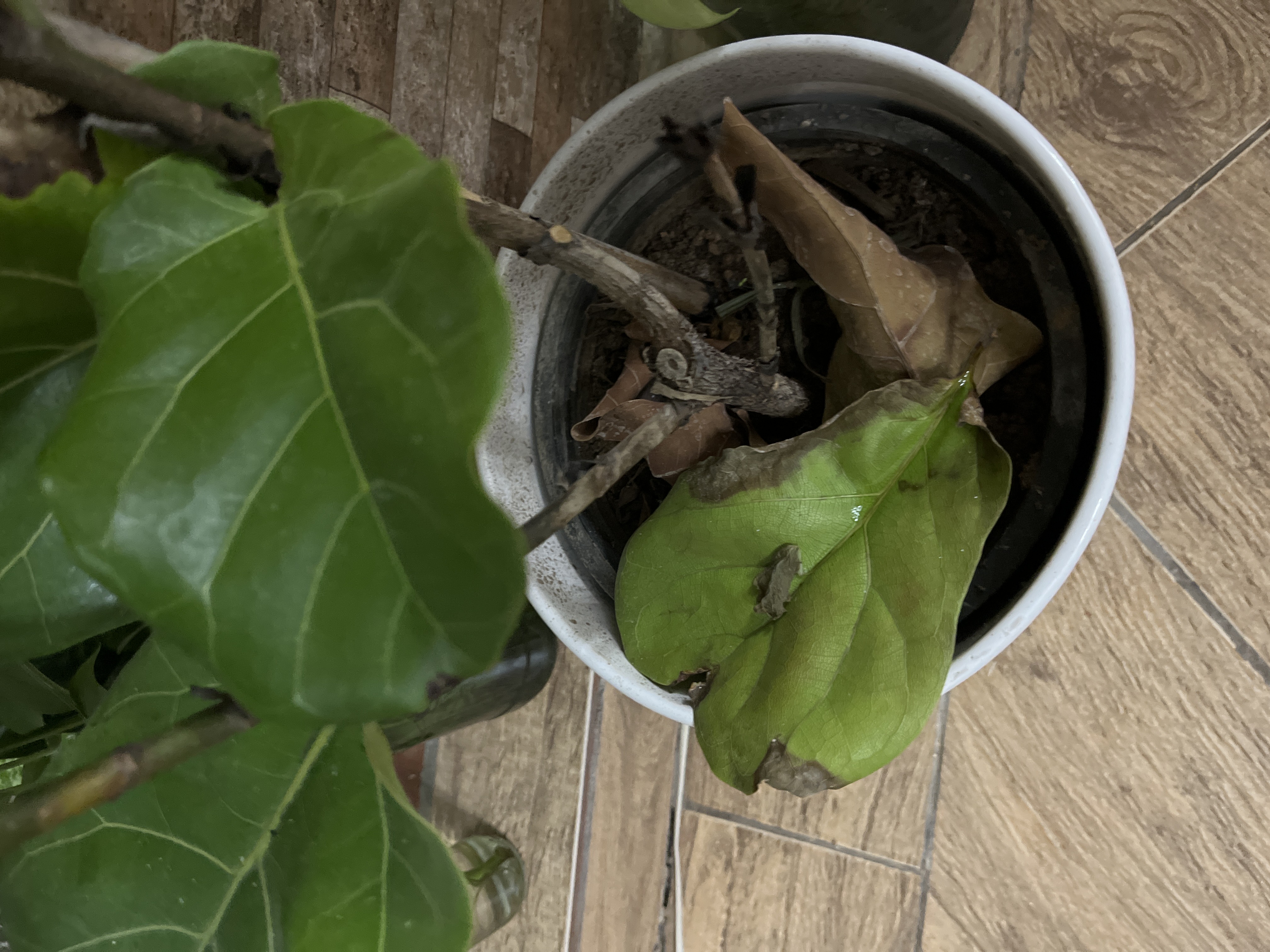
Description
The plant shows signs consistent with root rot, a fungal/oomycete disease that thrives in waterlogged soil and poorly drained pots. Common symptoms include yellowing and wilting of lower leaves, browning leaf edges, occasional leaf drop, and a brown, mushy, foul-smelling root system when the plant is removed from the pot. In indoor conditions, high moisture, stagnant air, and insufficient drainage create an environment where Phytophthora and related pathogens colonize roots, impede water uptake, and cause progressive decline. The visible brown debris at the soil surface and the fragile, darkened stems in the image support a root health issue rather than a nutrient deficiency or pest alone.
Solution
1. Immediate rescue and root health restoration: Start by carefully removing the plant from its pot to inspect the root system without damaging healthy tissue. Look for a mix of firm white roots and brown, mushy roots; trim away all damp, rotted, and foul-smelling roots with clean, sterile scissors. If the stem base appears dark or mushy, cut a small amount above healthy tissue to prevent ongoing decline. Rinse the remaining roots gently to remove residual soil, then allow them to air-dry for about 20–30 minutes. Prepare a fresh pot with clean, well-draining potting mix suitable for tropical indoor plants (a blend of peat or coco coir with perlite or coarse sand works well). If Phytophthora is suspected, consider a brief root dip in a fungicide labeled for preventative use against oomycetes (follow product directions precisely). Replant the plant so the crown sits just above soil level to promote new root growth. Water only after repotting, and even then sparingly: test the soil moisture; the top 2 inches should dry out before the next watering. Place the pot where it receives bright, indirect light and good air movement, avoiding direct sun and cold drafts. Monitor daily for signs of new growth and a halt in yellowing or wilting; if symptoms persist, reassess watering frequency and soil moisture, and consider repeating root checks after 2–3 weeks. This approach addresses the primary infection reservoir, reduces saturated soil, and sets up conditions for healthy new roots to form. If you observe persistent decline despite these steps, you may need to dispose of the plant to prevent pathogen spread to nearby specimens and sanitize tools and surfaces thoroughly to avoid cross-contamination.
Notice
The function of Plantypia is using AI, so it may be inaccurate. Please use it for fun and reference only.
Check with official pest context
Leaf spots and wilting can come from watering, temperature, or season changes as well as pests.