Diagnosis Result
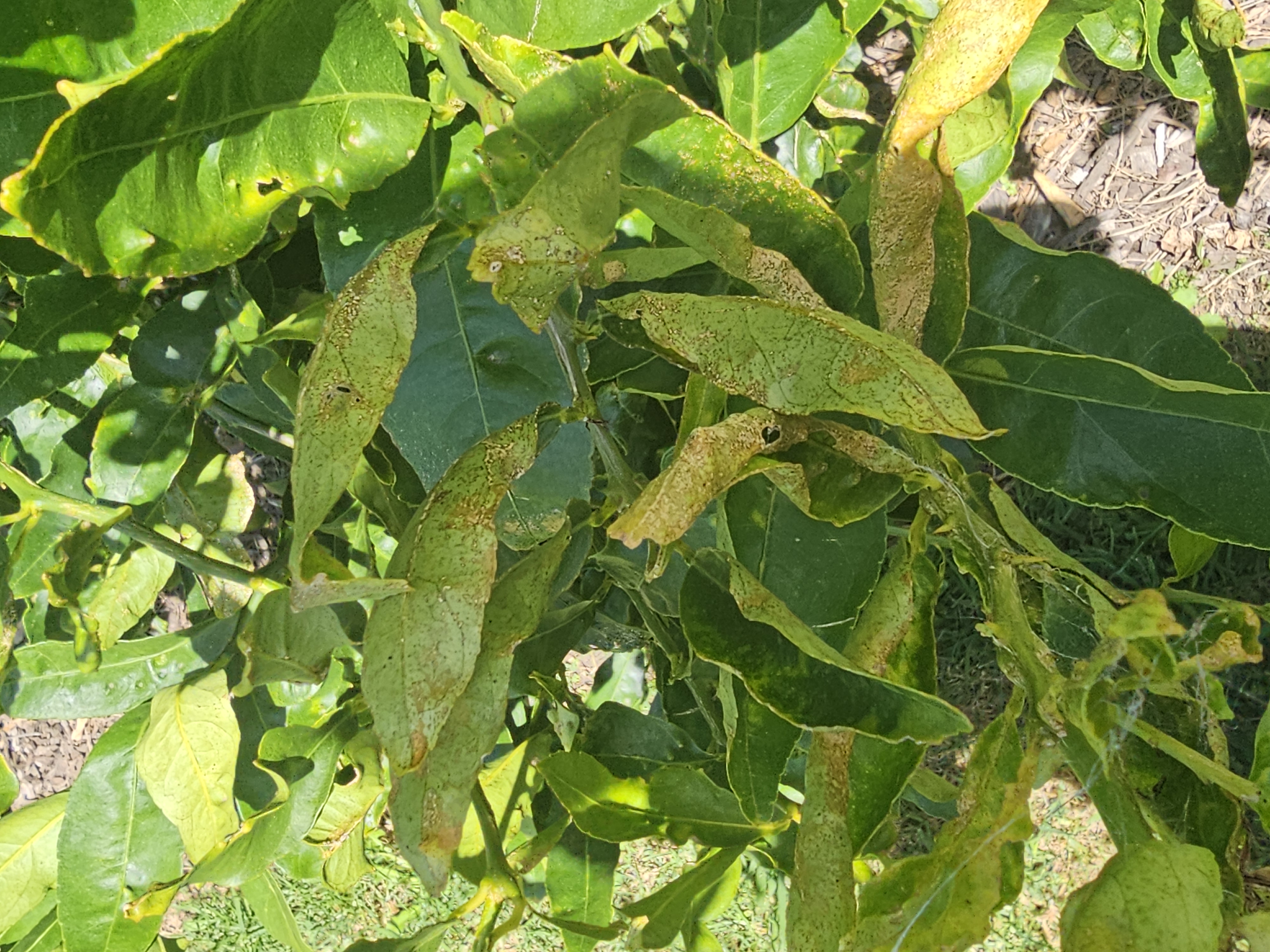
Description
The photographed plant shows yellowing leaves with numerous brown, irregular necrotic spots and some curling, which is characteristic of a foliar leaf spot disease on citrus. The spots are scattered across the leaf surface and can coalesce, causing leaves to yellow and drop prematurely in humid, warm conditions. This presentation is commonly caused by Corynespora cassiicola (citrus leaf spot/blight) or a similar foliar pathogen that thrives where leaf wetness from rain, dew, or overhead irrigation persists. While other issues such as nutrient deficiencies or abiotic leaf scorch can mimic some symptoms, the combination of spots with yellow halos and curling strongly points to a foliar pathogen problem. A field check for sporulation or fruiting bodies on lesions can help confirm, but management should begin with cultural controls and appropriate fungicide use guided by local recommendations.
Solution
1. Cultural controls and sanitation: Begin by removing and disposing of severely infected leaves and any twig tissue showing lesions to reduce inoculum. Do not compost infected material; bag and discard away from the garden. Clean pruning tools with 70% alcohol or a bleach solution between cuts to minimize cross-contamination. Prune the canopy to improve air circulation and sunlight penetration, which reduces leaf wetness duration and slows pathogen development. Keep the area around the tree free of dense weeds and other plant debris that can harbor pathogens. After pruning, monitor the tree weekly for new lesions and adjust maintenance practices accordingly. Maintain a balanced irrigation plan that minimizes leaf wetness duration, using drip irrigation or soaker hoses, and avoid overhead watering especially late in the day. Apply mulch to stabilize soil moisture and warmth, but keep mulch away from the trunk to prevent fungal growth at the base. These steps reduce the favorable conditions for leaf spot development and help keep the tree healthier long-term. 2. Irrigation, nutrition, and microclimate management: Adjust irrigation to avoid prolonged leaf wetness; water early in the day so leaves have time to dry before night. Ensure the root zone is evenly moist but not waterlogged; poor drainage can create conditions conducive to pathogens. Improve soil structure with organic matter amendments if soil is compacted, which also enhances root health and plant vigor, making the tree more resilient to infection. Avoid excessive nitrogen fertilizers that promote lush, tender growth that is more susceptible to infection; apply fertilizer according to soil test results and local recommendations to maintain a balanced nutritional status. If your site experiences high humidity or consistently dense canopies, consider installing air circulation features or shade management to reduce leaf surface moisture during peak infection risk periods. Regularly inspecting for initial symptoms enables early intervention and reduces disease spread. 3. Fungicidal management and resistance planning: When cultural practices alone are insufficient, implement a spray program based on local extension guidance. Use registered fungicides effective against citrus leaf spot, with copper-based products (such as copper hydroxide) or multi-site protectants (e.g., mancozeb) as preventive options, rotating among fungicides with different modes of action to minimize resistance development. Alternate products (e.g., a copper-based product, followed by a systemic or another mode of action) and adhere strictly to label rates, timing, pre-harvest intervals, and re-entry intervals. Apply when leaf wetness is present or anticipated, with thorough coverage of both upper and lower leaf surfaces. In regions with persistent disease pressure, a staggered schedule of applications (e.g., every 7–14 days during wet periods) can help prevent new infections. If possible, integrate biological options such as Bacillus subtilis-based products that may suppress foliar pathogens, ensuring compatibility with chemical sprays and avoiding incompatible mixtures (oil-based products or detergents can reduce efficacy). Always monitor for phytotoxicity, particularly on new growth, and adjust dosage or timing accordingly. For larger plantings, consult an extension service to tailor an integrated fungicide rotation plan and to confirm pathogen identity to prevent misapplication. Consistent monitoring and adaptation of this plan will reduce inoculum levels, protect photosynthetic tissue, and promote long-term tree health.
Notice
The function of Plantypia is using AI, so it may be inaccurate. Please use it for fun and reference only.
Check with official pest context
Leaf spots and wilting can come from watering, temperature, or season changes as well as pests.